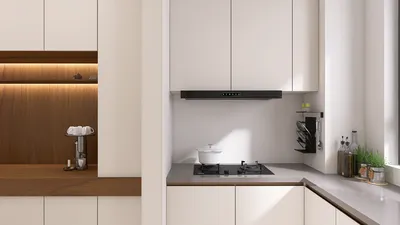


I once persuaded a client that a stone feature wall could transform their small studio into a cozy mountain retreat. They adored the aesthetic until I faced the reality that combining full-thickness quarried stone with inexpensive drywall results in quite the mess. After a weekend filled with dust, added studs, and a sheepish apology, I discovered how to achieve that rugged charm without compromising the space. Now, for quick visualization, I create a 3D mockup using Homestyler to evaluate scale and lighting before starting any renovations: 3D mockup.
1. Thin stone veneer accent strip
I utilize thin natural or manufactured stone veneer as a horizontal accent strip behind a sofa or headboard — it appears luxurious while remaining light structurally. One significant advantage is the texture it adds without excessive weight; however, precision is essential: grout lines and leveling are crucial, so be prepared to hire an experienced installer or practice on plywood beforehand.
Budget tip: manufactured veneer mimics the appearance of natural stone at a lower cost and is quicker to install.
save pin
2. Half-height kitchen backsplash in stacked stone
Opting for a half-height stacked stone backsplash instead of covering the entire wall allows the space to feel airy while serving as an impressive focal point. It can withstand heat and effectively conceals splatters, although cleaning uneven stone may be more complex than tiling — I suggest resealing every few years for best results.
This method creates a dramatic effect without making a small kitchen feel cramped.
save pin
3. Vertical stone niche for plants and shelving
I enjoy designing a slim vertical niche covered in stone to display plants or artwork — it draws the eye upward and gives the impression of taller ceilings. This stylish choice requires careful waterproofing if plants are watered within it; otherwise, it’s low-maintenance and ideal for Instagram aesthetics. To create a cohesive look, I often combine the niche idea with practical kitchen layout concepts from experts: kitchen layout ideas.
save pin
4. Faux-stacked fireplace surround
Revamping an outdated fireplace with faux stacked stone is one of my quickest transformations — it imparts warmth and creates a built-in appearance without the need for rewiring or altering the chimney. Faux panels are lightweight and budget-friendly, but be cautious; some finishes may appear mass-produced. I recommend choosing samples and installing a small test patch to ensure satisfaction.
On-site tip: stagger the seams of the panels and slightly vary the grout color for a more customized appearance.
save pin
5. Peel-and-stick or lightweight panels for renters
For clients who rent, I often recommend high-quality peel-and-stick stone panels or thin veneer on removable backings — this allows for texture while remaining portable. Although they lack the authenticity of real stone up close and require precise edge finishing, they offer a fast, less permanent solution. Before finalizing the placement, I create a layout sketch and mark the sightlines to ensure it won't overwhelm the space: layout sketch.
A small confession: I once removed a faux panel because the pattern clashed with the client's rug — a lesson learned; it's vital to test samples under actual lighting conditions.
save pin
FAQ
Q1: What is the easiest DIY stone wall option for a beginner?
I suggest starting with manufactured thin veneer or quality peel-and-stick panels — they are lighter, easier to cut, and quicker to install compared to full-thickness stone. Practicing on plywood will help you get into the groove of cutting and grouting.
Q2: Can I install stone veneer on drywall?
Yes, but it's important to use a cement backer board or appropriate substrate where needed, and check local building codes for load limitations; typically, a secure floating installation is the best method for indoor settings.
Q3: What is the typical cost for a DIY stone wall?
Costs can vary significantly: faux panels may start below $10 per square foot, while natural thin veneer tends to be more expensive. Don’t forget to account for adhesive, grout, and tools; you save labor costs if you are comfortable with a tile-like installation.
Q4: Are stone walls appropriate for small spaces?
Absolutely — a narrow accent strip, vertical niche, or half-height installation adds depth without making the room feel smaller. I utilize scale tests and sample boards to ensure the stone accents complement the space harmoniously.
Q5: Do I need to seal stone walls?
Sealing is recommended for porous natural stone, particularly in areas subject to splashes; a penetrating sealer will maintain texture and simplify cleaning.
Q6: How do I clean and maintain a stone feature wall?
Regular dusting and occasional gentle washing with a pH-neutral cleaner will keep stone looking pristine; avoid harsh acids on limestone or marble. Reseal every 1 to 3 years based on wear and tear.
Q7: Is manufactured stone as durable as natural stone?
Manufactured stone veneer is durable and significantly lighter, but it may chip differently and could reveal seams if not installed with care. For most interior applications, it performs admirably at a reduced cost.
Q8: What do professionals recommend for installing interior stone veneer?
Following industry guidelines is crucial; for instance, This Old House advises using thin-set on an appropriate substrate and selecting a veneer system designed for interior use (This Old House, https://www.thisoldhouse.com). If uncertainty arises, consulting a professional to confirm substrate and waterproofing arrangements is wise.
save pin
Looking to transform your space? Homestyler is your go-to online design platform! With its user-friendly design tool, stunning 3D renderings, and a wealth of DIY video tutorials, you can effortlessly bring your interior design visions to life—no experience needed!
Zaprojektuj teraz za darmo
































