


As we navigate the future, modern residences must adapt to the merging of time, clutter, and remote work, often lacking the necessary flexibility. AIA project data indicates a consistent increase in the availability of multi-functional rooms since 2020. Within this context, envisioning a 1600 sq ft house floor plan becomes a unique opportunity for innovation. I perceive the layout as a dynamic operating system, where each room contributes to daily routines. Utilizing the spatial reasoning toolkit allows me to assess practical aspects such as flow, sightlines, and storage, all tuned for future lifestyles.
Core Loop: Split-Zone Living + Pocket Flex
Design Logic: The primary suite is strategically positioned on one side, with secondary bedrooms symmetrically located across an open central area; the demand for hybrid living necessitates acoustic separation, leading to the creation of a soft-core communal hub.
Flow: The progression begins at the entryway, moving through the drop zone, along the kitchen spine, into the living area, and extending to a pocket flex room and patio; this planned pathway allows options for work and relaxation.
Sightlines: An extended view runs from the front door straight through to the kitchen, highlighted by glazing; this design retains visibility for supervision and social interaction while minimizing noise.
Storage: Features include a wall-depth pantry, a bench cache near the entry, and wardrobes integrated into the bed wall; these predictable storage solutions streamline everyday routines.
Furniture Fit: With a living area width of 10–11 ft, accommodating pairs of sofas and lounges, plus a dining clearance of 42 inches, the bedrooms are designed to fit queen-sized beds comfortably; limits set by the API align harmoniously with diverse daily routines.
Verdict: This split-zone configuration is adept at anticipating hybrid schedules, harmonizing personal quiet time with community interactions, much like intertwining strands running in parallel.
save pin
Kitchen Spine: Galley + Island as Command Center
Design Logic: A streamlined galley accompanied by a 9–10 ft island emphasizes preparation and social interaction, as future dining experiences shift towards collaboration.
Flow: From the garage through the mudroom and pantry to the kitchen island and dining area, movement is efficient, from arrival to meal table with minimal interruptions.
Sightlines: The island is oriented towards both the living area and patio doors; this design reveals essential family connections, natural light, and outdoor elements, while utility zones remain concealed.
Storage: High-capacity deep drawers, vertical spice pull-outs, and ceiling-height cabinets create a functional pantry that serves as overflow for cold storage.
Furniture Fit: A minimum aisle width of 36 inches is required, with 48 inches ideal for working; the design comfortably accommodates four stools at the island and a 72–78" dining table within a 10 ft bay.
Verdict: The kitchen spine functions as a command hub—efficient, clear, and expandable—designed to support everything from meal kits and small gatherings to quiet nighttime snacks.
save pin
Work–Calm Module: Pocket Office + Convertible Den
Design Logic: Featuring a 7×9 ft pocket office alongside a 10×12 ft den, this design anticipates the need for focused working environments and adaptable social spaces.
Flow: Starting at a hall node, the sequence includes the pocket office moving seamlessly into the den and terrace; this clear arrangement facilitates transitions between focused work and relaxation.
Sightlines: Side-light glazing supports cognitive function without screen glare; door placements define privacy in a graduated manner.
Storage: Ample built-in shelves, a file cache beneath the bench, and a concealed printer niche ensure that retrieval times are minimized, especially under pressure.
Furniture Fit: A 60" desk complemented by a task chair and two lounge chairs with a sleek credenza promotes ergonomic efficiency without overwhelming the space.
Verdict: This module functions as an essential update for everyday life, transforming stress into organized flow while maintaining the homely atmosphere.
save pin
Final Thoughts
The 1600 sq ft house floor plan can serve as a user-friendly interface featuring split zones, a centralized kitchen spine, and a work-calm module, all designed to alleviate everyday friction. Variants, such as 3-bedroom arrangements or single-story setups, utilize this foundational logic to meet varying bandwidth needs. Attention to extended requirements—like mudroom storage solutions or flexible guest suites—focuses less on space size and more on their functional organization. Based on my insights, the most intelligent homes of the future will not necessarily be larger but will rather be defined by more intentional and practical designs, such as those offered in Homestyler.
Homestyler's roots trace back to Autodesk, the global leader in design and engineering software. That heritage lives on in every feature we build. Today, with a community of more than 18 million users worldwide, Homestyler continues to make professional-quality interior design accessible to everyone — from first-time decorators to seasoned architects.

Minimalist Walnut Round Dining Table 3D Model
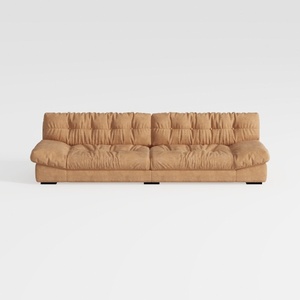

Minimalist Fabric Tufted Extra Large Sofa 3D Model
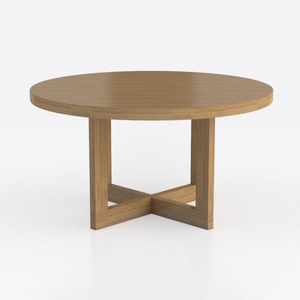
Minimalist Solid Wood Round Dining Table 3D Model
Homestyler is your go-to online platform for effortless home design. With its user-friendly design tool, stunning 3D renderings, and extensive DIY video tutorials, you can explore and create beautiful spaces tailored to your style—perfect for both beginners and seasoned designers!
Design Now for FREE
































