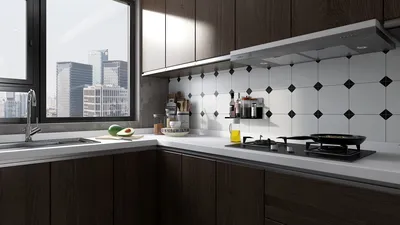


Once, a client inquired whether I could fit a grand piano, a bar table, and a queen-sized bed into her compact 20-square-meter studio. I chuckled, but then realized this scenario embodies my passion for small space design. Limitations spark innovation, and I’ve witnessed how even the tiniest corners can transform into stunning living spaces. Today, I’m excited to share ten outstanding design strategies for small spaces, derived from both triumphs and a few close calls throughout my experience. If you've ever found it challenging to envision how to maximize a limited area, tools such as Homestyler can be incredibly beneficial in visualizing your options before making any changes.
1. Vertical Storage Solutions
Leveraging your wall space allows you to declutter the floor and create an airier atmosphere. For instance, I once swapped out bulky shelves for tailor-made, floor-to-ceiling cabinets — it felt almost like adding a new room! Just keep in mind that accessing the top shelves might require a sturdy stool or ladder.
2. Multi-Functional Furniture
Consider using sofa beds, extendable dining tables, or ottomans with hidden compartments for storage. These items are invaluable in compact apartments. However, it’s essential to invest in high-quality mechanisms, as inferior options often deteriorate within a year of regular use.
3. Light Colors with Texture
Using light hues can visually expand a space, but an overly flat white can appear sterile. I prefer to mix off-white walls with textured fabrics and natural wood elements, creating a space that is airy yet inviting.
4. Sliding Doors Over Swing Doors
Opting for sliding doors can save precious square footage. In a recent kitchen redesign, this change allowed for additional cabinet space. Utilizing a free floor planning tool can help determine the best locations for these modifications.
5. Mirrors Strategically Positioned
Mirrors not only reflect light but also add depth to a room. I once installed a wall-to-wall mirror behind open shelving in a dining nook — it effectively doubled the perceived space without extensive renovations.
6. Built-In Furniture
Custom-built installations can convert awkward spaces into useful areas. The only downside is the reduced flexibility if you choose to move, but for long-term residences, they can be a transformative addition.
7. Layered Lighting
Avoid relying on a single ceiling fixture; instead, blend ambient, task, and accent lighting. This approach adds depth and warmth to your space. Be cautious with oversized light fixtures in rooms with low ceilings, as they could feel overwhelming.
8. Glass Partitions
Glass dividers create distinct areas without obstructing light. I once exchanged a solid wall for a glass partition in a small apartment, making the space feel approximately 30% larger. Projects like these can greatly benefit from visualizing ideas in a layout planner such as Homestyler before finalizing decisions.
9. Floating Furniture
Wall-mounted desks or vanities contribute to an open feel by leaving more visible floor space. Just ensure your walls can support the installation before making any commitments.
10. Rugs for Zone Definition
In an open floor plan, rugs serve to visually divide areas without creating physical barriers. This simple addition can enhance style with minimal costs — just be mindful of dimensions so that the rug complements the space rather than distracts from it.
FAQ
Q1: What color scheme is optimal for small spaces?
Light, neutral shades combined with layered textures typically make compact areas feel larger and more inviting.
Q2: How can I create the illusion of a bigger living room?
Utilize mirrors, light colors, and streamlined furniture. Keeping pathways unobstructed facilitates easy movement.
Q3: Are dark colors appropriate for small rooms?
Absolutely, but use them sparingly as accents. Excessive darkness can create a claustrophobic atmosphere unless balanced with adequate lighting.
Q4: Which furniture is ideal for a studio apartment?
Multi-functional items such as a sofa bed or storage ottoman optimize both comfort and functional usage.
Q5: How should I approach my small kitchen remodeling?
Begin by outlining your workflow and storage requirements. Tools like online planners can assist in testing layouts before renovations begin.
Q6: Are built-ins beneficial for compact apartments?
If you plan to reside long-term, custom built-ins can be highly effective, though they might not be ideal for renters.
Q7: Is open shelving suitable for small kitchens?
Open shelves can impart an airy appearance but require disciplined organization to maintain clarity and avoid clutter.
Q8: Where can I discover more about small space design?
Resources such as Architectural Digest and Houzz provide excellent inspiration, and real project galleries are particularly helpful.
Homestyler is your go-to online home design platform! With a user-friendly design tool, stunning 3D renderings, and a wealth of inspiring design projects and DIY video tutorials, you can easily create and visualize your dream spaces—perfect for both beginners and seasoned designers!
Desain sekarang Gratis
































