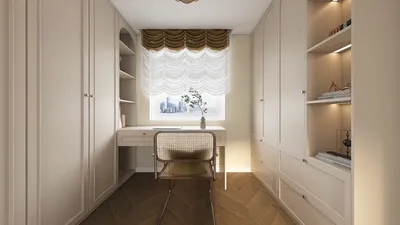


One time, I crafted a bar table that transformed into a cat perch because a client insisted their cat deserved the best “front-row seating” for evening drinks — it’s a fun story! This experience highlighted that challenges in small spaces can spark innovative solutions: a versatile piece can seamlessly function as a dining area, workspace, or social hub. If you're interested in witnessing how a small corner can become a standout feature, continue reading. Here, I’ll present five actionable small space bar table ideas I’ve successfully implemented in various projects.
1. Fold-down wall bar: the minimalist chameleon
A fold-down bar appeals to me due to its ability to vanish when not in use — ideal for studio apartments. It's cost-effective and straightforward to set up; I transformed an entryway shelf into a sleek drop-leaf counter that welcomed six drinks for an unexpected gathering.
Benefits: optimizes floor space and conceals clutter; drawbacks: demands secure wall anchorage and thoughtful storage solutions for glassware. Recommendation: utilize magnetic strips or narrow rails for hanging essentials to maintain a clear top surface.
save pin
2. Slim console turned bar: narrow but mighty
When faced with limited width, a slim console positioned against the wall becomes my go-to solution. I attached a removable raised shelf to a client’s console, allowing them to prepare cocktails while standing or to enjoy drinks seated on tall stools afterward.
This setup keeps the hallway open while providing ample surface area and storage below. Drawbacks include limited prep space — but incorporating a slide-out cutting board can significantly improve functionality.
save pin
3. Window-bar with stools: light, airy, and social
Windows often represent missed opportunities unless you convert them into a bar setup. I designed a narrow bar ledge beneath a bay window, transforming it into the family’s beloved morning hangout. The natural light enhances the area, making it feel more spacious and inviting.
Advantages include suitability for one or two diners and workspaces; however, consider glare and privacy issues, and add a thin cushion or foot rail for enhanced comfort. For compact kitchens, explore small-kitchen examples that inspired my design decisions.
save pin
4. Island-lite: mobile bar cart meets fixed counter
Not everyone wants a built-in option. I often combine a stable counter with a sleek mobile cart that slides underneath when guests arrive. This arrangement offers the permanence of a bar while also allowing flexibility in flow.
Advantages: multifunctional and portable; downside: carts can appear cluttered if not organized. My advice: select a cart with hidden storage and a flat top for easy styling.
save pin
5. Corner bar triangle: make use of the awkward angle
Corners often conceal potential. I once converted an awkward 60cm corner into a triangular bar that accommodated two stools and a wine rack. It felt bespoke and utilized the walking space efficiently.
Excellent for maximizing the footprint and creating a cozy area; challenging for fitting appliances or sinks. Consider adding built-in shelving above for glass displays, keeping the counter organized. If you’re looking to visualize spatial arrangements, check a 3D floor plan example I utilized to illustrate this layout for a client, which was enhanced with Homestyler.
save pin
FAQ
Q1: What size should a small bar table be?
A well-designed bar table should have a minimum depth of 30–35 cm for casual use and between 45–60 cm for comfortable preparation and seating. Ensure to allocate at least 60–75 cm of width for every seated person.
Q2: Which materials work best for tiny bar tables?
I generally favor laminate or engineered wood for economical builds, and opt for natural wood or stone for statement pieces. Lightweight metal frames create an airy feel but can be cooler to touch.
Q3: Can a bar table double as a workspace?
Absolutely! Select a height around 90–105 cm for bar stools or 75–76 cm for regular chairs, and incorporate task lighting. A narrow keyboard tray can convert it into a laptop-friendly space without occupying surface area.
Q4: How do I make a bar table feel less cluttered?
Leverage vertical storage, slim trays, and hooks under the counter for stemware. Display only daily essentials while concealing the rest in drawers or carts.
Q5: Are there safety concerns for wall-mounted bar tables?
Indeed, it's critical to ensure correct studs or secure anchors are used and to account for dynamic loads (leaning, etc.). If uncertain, consider hiring a licensed contractor for installation.
Q6: What’s an affordable option for renters?
Options like a freestanding console, a fold-down shelf with brackets, or a chic bar cart are excellent for renters. They offer style without permanent alterations and can be relocated easily.
Q7: How much should I budget?
Basic DIY projects can start below $150; custom-built options range from $600 to $2,500, depending on materials. It’s wise to set aside an extra 10–15% for unexpected fittings and hardware.
Q8: Where can I find planning examples and case studies?
For reference and visualization resources, professional sites like the NKBA provide standards and inspiration (National Kitchen & Bath Association: https://www.nkba.org). I also rely on case galleries featuring compact solutions for client presentations, sometimes enhanced using Homestyler for clarity.
save pin
Discover your dream home with Homestyler! This user-friendly online design platform offers an intuitive design tool, stunning 3D renderings, and a wealth of inspiring design projects. Plus, with easy-to-follow video tutorials, you can unleash your creativity and transform your space effortlessly!
지금 무료로 디자인하세요
































