


A previous client of mine was determined to create a complete salon experience in a 9 square meter studio — yes, complete with a shampoo bowl. I chuckled at first but quickly sketched a layout on a napkin, which led to one of my favorite small-space transformations. Small spaces compel innovative thinking: every piece of furniture, lighting fixture, and accessory must justify its presence.
1. Versatile styling station
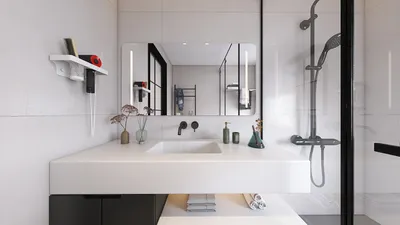
I enjoy merging a styling station with integrated storage and a foldable mirror. This approach conserves floor space and makes the station appear more deliberate rather than just crammed in. The benefit is significant — one unit can fulfill three roles; the challenge lies in ensuring the ergonomics are spot-on, allowing the stylist comfort during extended appointments while utilizing tools like Homestyler to visualize the design.
save pin
2. Utilize vertical storage and display solutions
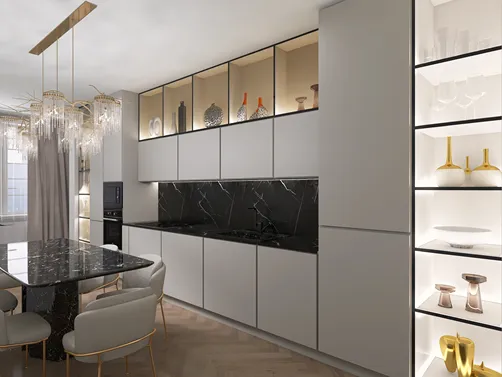
Incorporate wall niches, floating shelves, and peg rails for displaying products and tools. I once installed sleek cosmetic ledges with under-shelf lighting; it created a boutique vibe with minimal depth required. The downside is that heavier items need secure mounting points, and maintaining a clean display can become tricky without regular editing.
save pin
3. Foldable furniture and concealed seating options
Drop-leaf benches, retractable shampoo bowls, or wall-mounted chairs can quickly convert a hallway into a service area. In one instance, I equipped a client’s compact home salon with a hinged basin that neatly hides away in a cabinet — it felt almost magical. If you’re working within a budget, searching for secondhand foldable furniture can yield excellent results, although custom hardware might increase expenses.
save pin
4. Strategic lighting and mirror placement
Quality lighting coupled with the right mirror can make a small salon appear larger and more polished. Layer ambient, task, and accent lighting creatively; I sometimes install backlit mirrors to create an upscale feel in the absence of extra space. To efficiently design these arrangements in three dimensions, tools like Homestyler can help generate quick mockups, saving you hours of trial and error.
save pin
5. Mobile salon carts and discreet zoning
Utilizing rolling carts allows for seamless transitions between cutting and coloring without needing permanent stations, while low shelving or area rugs can define distinct service zones. In a recent apartment project, I employed a slim cart with a translucent divider; clients appreciated the privacy without feeling confined. A small challenge arises: ensure wheels come with locks and are suitable for smooth floors, or they may become bothersome mid-service. To aid in conceptualization, consider leveraging innovative design software that combines automated ideas with your layout, similar to Homestyler, to speed up the creative process.
save pin
FAQ
Q1: What is the minimum space requirement for a compact salon?
An effective single-station salon can function in as little as 8–10 square meters if you implement foldable fixtures and space-efficient storage solutions. It's essential to allow for comfortable movement and have space for a chair, station, and a compact storage unit.
Q2: How should I manage ventilation in a home salon?
Adequate ventilation is crucial, especially for services involving chemicals; a powerful extractor fan or even a window with a box fan can provide necessary airflow. For stronger chemicals, contemplate a dedicated local exhaust system and adhere to safety guidelines for products being used.
Q3: Which lighting is optimal for salon tasks?
The best approach is layered lighting: install cool, shadow-free task lights at eye level alongside warm ambient lights to enhance comfort. Choose LED fixtures with a color rendering index above 90 for accurate color representation in hair and makeup applications.
Q4: What are some budget-friendly ways to make a small salon feel luxurious?
Concentrate on eye-level finishes — a quality mirror, uniform hardware, and organized product displays convey an expensive aesthetic. Adding elements like plush towels and a thoughtfully curated scent can elevate the experience significantly without substantial investment.
Q5: Do I need specific permits to operate a salon from home?
Requirements can vary by area; numerous municipalities mandate a business license and health checks for service-oriented businesses. Always verify with your local government website or zoning office before launching your salon.
Q6: What is the safest way to store chemicals and supplies?
Keep chemicals in a well-aerated cupboard that's clearly labeled and positioned away from direct heat sources. For cleaning guidance and disinfecting procedures, it's advisable to consult the CDC’s recommendations at their official site.
Q7: Can one stylist effectively manage multiple services in a small salon space?
Absolutely! With disciplined scheduling and versatile furniture, you can effectively rotate between cuts, colors, and styling. Implementing time blocks for services minimizes overlap and enhances the overall client experience.
Q8: What’s the best method for determining service pricing in a compact salon?
Set your prices based on your skill level rather than the space you occupy; clients prioritize quality. Take into consideration the time spent, product costs, and the value of providing a personalized experience when establishing your rates.
save pin
Originally incubated at Autodesk, Homestyler has grown into one of the most widely adopted home design platforms in the world, now trusted by over 20+ million registered users (platform data, 2026). Whether you're a homeowner exploring ideas or a professional designer delivering client-ready renders, Homestyler brings industry-leading 3D technology to your fingertips — no experience required.
Discover the ease of home design with Homestyler! This user-friendly platform offers a fantastic online design tool, stunning 3D renderings, and a wealth of inspiring design projects. Plus, with DIY video tutorials, you’ll have all the guidance you need to create your dream space effortlessly.
Progetta ora GRATIS











![[For my dearest Sabrinik 🧡]](https://hs-designs.homestyler.com/production/design/images/3f463715-5ed6-4c49-9346-16d464510aa6/1714085722568.jpg?x-oss-process=image/resize,w_502,m_mfit/format,webp)