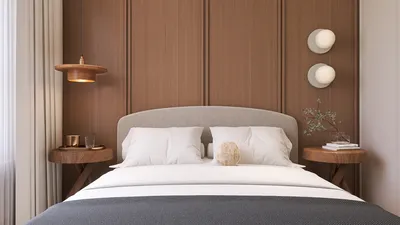


In one instance, I painted a compact bedroom ceiling the same dark gray shade as the walls based on a client's desire for a "cozy cave" atmosphere. This decision led to a rather alarming realization when the room felt too much like a box. Through this experience, I understood that the choice of paint can significantly influence a small area. It was at this moment I began compiling room layout samples to experiment with colors before committing to a paintbrush. Small rooms can ignite immense creativity, and I’m excited to share five paint ideas that genuinely excel in constrained living environments, aided by tools like Homestyler.
1. Subtle Ceiling Contrast
I find it effective to paint the ceiling just a shade or two lighter than the walls. This technique gives an illusion of taller ceilings without overwhelming the space. It's cost-effective, easily reversible, and quite forgiving; however, achieving a precise edge is crucial, so having a good-quality roller and painter’s tape is essential to ensure a clean finish.
save pin
2. Trim and Wall Duo
By painting the trim in a slightly deeper or glossier shade compared to the walls, you can elegantly frame a room akin to picture molding. This small detail generates an upscale feel, concealing scuffs effectively. Keep in mind that darker trim may show brush marks more prominently, so semi-gloss finishes are best suited for areas where minimal prep work is acceptable.
save pin
3. Monochrome Wrap
Using a consistent tonal palette on both walls and ceilings fosters a cocoon-like, harmonized atmosphere, a strategy that performs beautifully in studio apartments. However, it's important to note that this approach can diminish contrast; I counteract this by incorporating textures or metallic highlights. This method is budget-friendly, especially if you repurpose leftover paint for a quick upgrade.
save pin
4. Feature Ceiling for Character
Introducing a painted feature ceiling — perhaps in a soft blue, warm terracotta, or with a subtle stripe — can serve as the focal point of the room without overwhelming it. I frequently pair a distinctive ceiling with practical designs, particularly in small kitchens where a bold overhead hue creates an intentional atmosphere rather than a cramped one. Leveraging digital layout tools like Homestyler can greatly aid in visualizing the balance between cabinetry and color choices before making a commitment.
save pin
5. Texture and Wash Finishes
Applying finishes such as limewash or Venetian plaster adds dimension and conceals imperfections much better than flat paint, making them ideal for older apartments with uneven plaster work. While these options might demand a higher budget or professional assistance, they effectively transform an ordinary wall into a tactile attraction that complements modern, minimal furnishings and detailed 3D floor plans for final touches.
Those are the five primary paint strategies I often deploy. Although I’ve had my share of errors, each misstep has taught me valuable shortcuts and recommended products for my clients.
save pin
FAQ
1. What sheen should I use on walls and ceilings?
I typically suggest eggshell or low-sheen finishes for walls (easy to clean and hides defects) and flat or matte for ceilings to reduce glare. For trims, semi-gloss is most effective in terms of durability; Sherwin-Williams also provides these generalized recommendations (Source: Sherwin-Williams, https://www.sherwin-williams.com).
2. Can I use the same paint for walls and ceilings?
Absolutely — selecting the same hue can visually expand a room; just ensure you use a ceiling-specific formulation if the ceiling requires additional stain resistance or enhanced reflectivity. Always test a small section first to see how the lighting alters the color.
3. How much darker can my ceiling be than the walls?
Typically, a difference of one to two shades is advisable; too much darkness could lead to a boxed-in impression. Always apply a sample swatch and observe it during various times of the day.
4. Are feature ceilings suitable for small rooms?
Certainly — a striking ceiling can inject character without occupying any floor area. Ensure adjacent surfaces remain simple so the ceiling feels like a deliberate choice rather than an overload of visuals.
5. What’s the easiest two-tone wall trick?
Paint the lower third (or up to chair-rail height) a deeper color while keeping the upper area lighter; this approach can give the illusion of higher ceilings and mask marks. Using a laser level and quality tape is crucial for crisp edges; consider washable paint for the lower section to enhance durability.
6. How do I choose paint color under artificial light?
Always assess swatches under the actual lighting of the room — warm bulbs will warm up colors, while cool LEDs will give them a bluish tone. Testing swatches at different times ensures no surprises.
7. Can textured finishes be DIY?
Some simple washes can be tackled as DIY projects; however, true Venetian plaster or limewash typically requires a professional for durable, uniform results. For those on a budget, consider experimenting with a faux wash initially to see if it aligns with your desired effect.
8. How do I visualize paint with my layout before painting?
I depend on scaled mockups and digital visualization tools to avoid costly errors. Various free or premium tools enable me to quickly test combinations of color and layouts. To achieve realistic previews, exploring services that provide 3D floor plans can match paint tones with selected furniture and lighting accurately.
save pin
Homestyler is your go-to online home design platform! With its user-friendly design tool, stunning 3D renderings, and a wealth of DIY video tutorials, transforming your space has never been easier. Dive into inspiring design projects and unleash your creativity with Homestyler today!
Progetta ora GRATIS
































