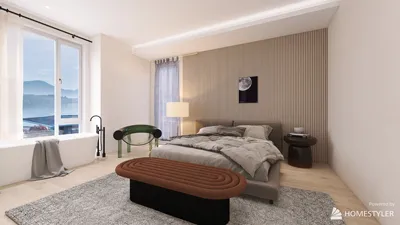


I once had a customer who insisted we squeeze a baby grand into a tiny 300 sq ft studio — unbelievable, right? I almost chuckled at first, but then it dawned on me that small space dilemmas inspire me to create the most ingenious solutions. If you're aiming for a functional yet stunning piano nook that doesn’t overwhelm your apartment, starting with an innovative small music corner design is typically my go-to approach.
Compact areas ignite enormous creativity. Here are five practical ideas I've successfully implemented in actual projects to help individuals maintain their musical passion at home, along with insights on advantages, compromises, and cost-effective tips.
1. Create a Vertical Nook
Transform a narrow alcove, hallway recess, or an overlooked niche into a vertical piano nook — perfect for slim uprights or electric instruments. I enjoy incorporating a slender bench with storage and a vertical shelf for sheet music above the piano.
Why this method works: it utilizes otherwise unoccupied depth and offers a cozy visual frame. Consider airflow and accessibility: ensure there's sufficient space to sit comfortably and open any piano lids without obstruction.
save pin
2. Slim Upright with Floating Shelves
Combining slim uprights or compact digital pianos with floating shelves creates a layered, sophisticated appearance. These shelves can accommodate music scores, small plants, and a lamp, emphasizing the piano as a focal point rather than an object that consumes space.
Advantages: budget-friendly and simple to set up. The slight challenge lies in balancing shelf weight and vibration — make sure to use solid anchors and keep heavier items off the immediate top shelf to maintain stability.
save pin
3. Alcove Acoustic Corner
If you can fit the piano into an alcove, treat the three-sided area as an acoustic corner: incorporate soft textiles, a rug, and a removable panel to manage reflections. I frequently suggest placing a shallow bookshelf behind the instrument for sound diffusion.
Quick tip: it's crucial to measure and map out your room before making any purchases to confirm fit and circulation — I’ve saved numerous clients from awkward returns by doing this. Downsides: genuine acoustic treatment can be pricier, but basic textiles can provide considerable assistance while staying within budget.
save pin
4. Multi-purpose Music Wall
Integrate the piano into a multifunctional wall: think fold-down desks, concealed storage, and vertical pegboards for accessories. In one of my designs, a compact apartment successfully featured both a music corner and a workspace by merging a slim piano with a fold-away desk above it.
It's smart and space-efficient; while you may sacrifice some convenience for versatility, it's best to have hinges installed by a professional to avoid noise or wear over time.
save pin
5. Choose a Portable Option and Enhance the Presentation
If space is at a premium, consider investing in a high-quality digital piano or portable keyboard, focusing on aesthetics: select a matching stand, a slim bench, and decorative lighting or art to create a more permanent feel. I always advise clients to ensure that, while it can be moved, it should be visually appealing regardless of where it is placed.
To assist clients in envisioning the final arrangement, I often encourage them to visualize the layout with a mock-up. Portable configurations are economically wise; however, it’s worth noting that the genuine acoustic warmth of an acoustic piano is difficult to replicate completely.
save pin
FAQ
Q1: What type of piano is ideal for a small apartment?
For constricted spaces, compact uprights or high-quality digital pianos are the best choices. They deliver excellent sound without occupying the considerable space of a grand, while digital alternatives even provide headphone options for quiet practice.
Q2: How much space should a piano have around it?
Sufficient space must be allocated for the bench and the player to maneuver comfortably — typically at least 90 cm (about 3 feet) behind the bench and 30–45 cm on the sides if feasible. Make sure to measure your layout beforehand to avoid blocking doors and pathways.
Q3: Can I enhance acoustics in a small room without spending much?
Definitely — using rugs, heavy curtains, and bookshelves serve as cost-effective sound absorbers and diffusers. Positioning the piano away from bare corners and incorporating a rug underneath the bench can significantly lessen harsh sounds.
Q4: How do I handle humidity and care for my piano?
Pianos thrive in consistent humidity; abrupt fluctuations can negatively affect tuning and mechanics. According to the Piano Technicians Guild, maintaining relative humidity levels around 40–50% is optimal for preserving the instrument’s quality.
Q5: Is soundproofing necessary in apartment living?
Not always. For practice, headphones (with digital pianos) serve as the simplest solution. If neighbors express concerns, targeted remedies like door seals or wall absorbers are less intrusive than complete room soundproofing.
Q6: What should I know about moving a piano in a compact building?
Always hire skilled movers for acoustic pianos — they understand the necessary straps, dollies, and protective measures. For digital pianos, a padded case and a couple of strong friends usually suffice.
Q7: Can a piano coexist in a multi-functional living room?
Absolutely, with an intelligent layout: position the piano against a wall, utilize vertical storage, and opt for a bench that doubles as storage. Visual techniques like matching finishes can help integrate the piano seamlessly into the space rather than making it feel out of place.
Q8: Are there any safety recommendations for piano positioning?
Position it away from direct sunlight and heat sources to avoid damage from excessive warmth or drying. Ensure that moving components are out of reach of small children and pets, and secure heavy sheet-music stands to prevent tipping.
save pin
Looking to transform your space? Homestyler is your go-to online home design platform! With its user-friendly design tool, stunning 3D renderings, and a wealth of inspiring design projects and video tutorials, creating your dream home has never been easier. Start designing today!
Progetta ora GRATIS
































