

I had a client who desired their compact office wall to serve as both a serene escape and a striking representation of their brand — and surprisingly, they wanted a life-size portrait of their golden retriever dressed in a tie. It was amusing, and I immediately started sketching and checking out spatial planning cases to understand how scale and perspectives would work in practice. This amusing request reminded me that designing small spaces often leads to the most innovative solutions.
1. A rotating mini-gallery
I enjoy composing a small, evolving gallery wall that changes every few months. It keeps the atmosphere dynamic and encourages guests to look around — which stimulates conversation and sparks creativity. The challenge lies in the maintenance: swapping prints or rotating pieces requires some discipline, but using affordable frames and a straightforward hanging rail simplifies the process.
save pin
2. Oversized single statement piece
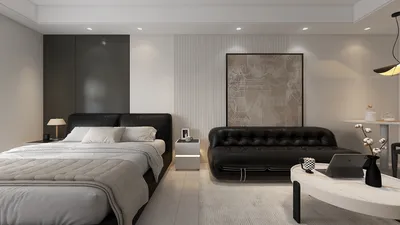
A single large canvas or a framed photograph can serve as a focal point in a tight office space without contributing to clutter. I once hung a 4ft-wide abstract piece above a desk, which immediately made the area feel more purposeful. Larger art pieces streamline the decision-making process, though they can be pricey; consider commissioning a local artist or enlarging a digital photo for a cost-effective impact.
save pin
3. Functional art — shelving, lighting, and acoustics
Combining functionality with aesthetics is one of my preferred strategies: think of sculptural shelves, pendant lights that double as eye-catching features, or acoustic panels adorned with artistic prints. These choices address practical needs while enhancing the character of the space. If you need inspiration for layout and design, explore visual arrangement examples that I frequently use when planning placements.
save pin
4. Green art and living walls
Incorporating plants as living art enhances texture and air quality — especially beneficial for windowless offices. Low-maintenance succulents or preserved moss panels are visually appealing and easy to care for. The difficulty usually lies in ensuring proper irrigation and light; I often pair living elements with LED grow lights or opt for stabilized green panels when maintenance is a concern.
save pin
5. Personal storytelling wall
Craft a narrative using mixed media: sketches, travel photographs, certificates, and a small shelf for tactile items. I assisted a founder in creating a timeline wall that subtly narrated their company's journey — this personal touch humanized the office and reinforced organizational culture. Be cautious about balance: an overload of personal items can appear chaotic, so maintain a consistent color scheme or frame style.
Whatever design route you choose, prioritize considering scale, sightlines, and lighting — the rest will be enjoyable. To create realistic previews before finalizing choices, I prefer building photorealistic mockups; visualizing artwork in context helps to minimize mistakes and buyer’s remorse. For an accurate representation of how a piece will fit within the room, check out some photorealistic render examples for inspiration, such as those available on Homestyler.
save pin
FAQ
1. What kinds of art are most suitable for a small office?
I typically suggest either one large statement piece or a tightly curated gallery in a uniform frame style — both options maintain clarity in small spaces while avoiding visual clutter.
2. How should I determine the appropriate size for wall art?
Measure the furniture that lies beneath the wall and aim for artwork that fills approximately 60-75% of that width. Creating mockups or scaled sketches can help you avoid scale-related errors.
3. Is investing in original art worthwhile for an office?
Original pieces contribute authenticity and can serve as conversation starters. If your budget is limited, consider investing in limited-edition prints or smaller commissions that provide a similar visual impact at a lower cost.
4. How can art influence workplace mood and productivity?
Visual stimulation can alleviate monotony and reduce stress, promoting overall well-being. A 2014 study published in the Journal of Environmental Psychology highlighted that thoughtfully designed spaces, including artwork, significantly enhance the mood and lower stress levels of occupants.
5. What are the best lighting options for office artwork?
Consider using adjustable, warm LED spotlights or picture lights to minimize glare and protect against UV damage. Track lighting provides flexibility for rotating displays.
6. How should corporate branding be represented on office walls?
Branding can be subtle and sophisticated: select a restrained color palette or stylized logo treatment instead of large signage. This allows the space to remain professional without resembling a commercial.
7. How frequently should I update office art?
I recommend making minor updates every season and conducting a more comprehensive refresh every one to two years. Rotating pieces helps maintain a lively environment without incurring constant expenses.
8. Where can I find affordable art and prints?
Local art fairs, student portfolios, and online print shops are excellent places to start. To ensure tailored visuals quickly, consider collaborating with designers who can provide mockups, helping you comprehend the scale prior to your purchase.
save pin
Homestyler is an exceptional online home design platform that empowers you to create stunning interiors effortlessly. With its user-friendly design tool, impressive 3D rendering, a plethora of design projects, and helpful video tutorials, you can transform your home ideas into reality with ease and inspiration.
Design Now for FREE
































