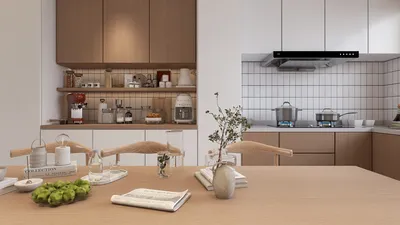


A client once requested I create an office pantry design that prevented any lunch aromas from mingling—truly a unique challenge. To accomplish this, I proposed a compact ventilation solution alongside a strict "no fish at desks" policy. This experience highlighted how limited spaces necessitate clever decisions, even regarding lunch options. If your workspace is smaller than a studio apartment, these constraints can inspire innovative lunch ideas, such as jar stacking and thermos utilization—these are part of the small office layout inspiration I often illustrate in my projects.
1. Layered Mason Jar Salads with Protein
Mason jar salads are a favorite since they keep dressings separate from greens until just before consumption. Start with grains or beans at the base, add protein like chicken, tofu, or chickpeas, then pile on durable veggies, finishing with the greens. The benefits? They can last 3–4 days and make for a visually appealing meal perfect for social media. Just remember to pack utensils—and a jar opener if your office fridge lacks space.
2. Bento-Style Lunch Containers
Imagine variety in small, bite-sized sections: roasted sweet potato, edamame, a hard-boiled egg, and a piece of fruit. Bento boxes offer a hint of elegance while being cost-effective if you prepare your meals on Sundays. My small-team clients enjoy how bento lunches minimize food waste—just be cautious with sauces as they can make compartments soggy if not packed at the right time.
save pin
3. Versatile Grain Bowls (Warm or Cold)
Grain bowls are incredibly versatile—swap rice with quinoa or farro, add roasted vegetables, and finish with tahini sauce. I utilize thermoses for warm bowls, especially beneficial in offices without a reliable microwave. They are both filling and nutritious, although crafting a balanced macro profile requires a bit of planning at first.
save pin
4. Thermos for Soups and Stews
As fall approaches, nothing compares to a comforting thermos full of soup. I usually prepare a large lentil stew on Sundays and divide it into thermoses for quick lunches. Thermoses are great for heat retention, but be careful while transporting them—select leak-proof lids and let them cool slightly before sealing to prevent pressure build-up.
save pin
5. Quick Wraps and Roll-Ups
Wraps make an ideal desk-friendly meal: whole-grain tortillas with hummus, greens, and grilled veggies rolled up swiftly. They can be varied throughout the week to avoid monotony. However, they can become soggy if made too early—strategically layer your ingredients, and I assure you your wrap will survive the journey.
If your kitchenette is compact, applying some layout tricks from kitchen designers can significantly improve functionality; I often direct clients to compact kitchen ideas when we strategize storage for thermoses, mini cutting boards, or even a small fridge.
Cost-saving tip: purchase proteins in bulk (like canned beans or frozen chicken) and rotate a few staples weekly. I also suggest implementing a routine—chop once, cook twice—and keeping a small checklist: a container, napkin, fork, and a mini ice pack if serving dairy. To make the process even smoother, consider how your kitchen or pantry layout aids in meal prep; an optimized layout often results from rethinking storage and workflow, which is why I sometimes create efficient meal prep designs for even the smallest offices using tools like Homestyler.
save pin
FAQs
Q1: What are the healthiest lunch options for an office?
A: Strive for a balance of lean proteins, whole grains, healthy fats, and vegetables—consider grain bowls, bean or chicken salads, or hearty soups. While achieving perfection isn't essential, portion control is vital.
Q2: How far in advance can I safely prep lunches?
A: Most prepped meals stay good in the fridge for 3–4 days; salads with dressing kept separate last around 3 days as well. Ensure you utilize airtight containers and cool them rapidly after preparation.
Q3: Do you have suggestions for enjoying hot meals without a microwave?
A: Invest in a high-quality vacuum-insulated thermos and warm it with boiling water before filling; it will keep your food warm till lunchtime. Soups and stews are particularly well-suited for this method.
Q4: How can I maintain freshness of lunches in a small office fridge?
A: Label containers with dates, opt for stackable boxes to maximize space, and implement a rotation system so that older meals are consumed first. Using transparent compact bins lets you visualize all your options readily.
Q5: What are some quick vegetarian protein sources for meals at the office?
A: Canned beans, lentils, tempeh, Greek yogurt, and edamame are excellent choices. They have a long shelf life and easily blend into salads, bowls, and wraps.
Q6: How can I prevent wraps from getting mushy?
A: Spread sauces on the tortilla, then place firmer ingredients such as proteins and grilled veggies before adding greens. Store dressings separately or use drier sauces like pesto until consumption.
Q7: Is it safe to use plastic containers for storage?
A: Opt for BPA-free containers and refrain from heating meals in plastic; when reheating, transfer to microwave-safe dishes. Glass containers are durable and stain-resistant, plus eco-friendly.
Q8: How many calories should I aim for in an office lunch?
A: This varies based on individual needs, but generally, 400–700 calories is sufficient for most adults to ward off afternoon lethargy. For general recommendations, refer to the USDA MyPlate guidelines (https://www.myplate.gov/), which detail balanced portions of protein, fruits, vegetables, grains, and dairy.
save pin
Homestyler is your go-to online home design platform! With its easy-to-use design tool, stunning 3D renderings, and a wealth of inspiring design projects and DIY video tutorials, you can effortlessly transform your home ideas into reality. Start designing today!
Progetta ora GRATIS
































