

I once had a client who was adamant about painting her living room the exact hue of a seashell she discovered while on vacation — it seemed poetic at first until I realized it transformed into a neon peach under different lighting. This small ordeal highlighted how color, light, and layout intertwine in limited spaces. Often, small living rooms inspire more innovative ideas, and I’ve come to view paint as furniture: it can expand a space, provide stability, or sometimes cause chaos.
1. Vertical Striped Accent Wall
A single accent wall adorned with subtle vertical stripes can create the illusion of height in a room with low ceilings. Utilizing two shades of the same color—one matte and the other satin—will capture light elegantly without overwhelming the senses. This method is cost-effective and can be easily reversed; however, achieving proper alignment requires patience and reliable tools. During one project, I devoted an additional afternoon to re-taping to eliminate the wobbliness that would drive a perfectionist homeowner crazy.
save pin
2. Dual-Tone Walls for Spatial Division
By splitting a wall horizontally—dark at the bottom and light at the top—you can instantly create a visual boundary that zones the area effectively without needing additional furniture. This technique works brilliantly in open-concept apartments, providing definition to the living space. One downside is that dust lines will stand out more prominently on the darker section, so I recommend using washable finishes.
save pin
3. Calming Monochrome with Texture
Opting for a single understated color while layering different finishes like eggshell, matte, and textured plaster contributes to a modern yet cozy aesthetic without clashing colors. I used this approach in a client’s compact loft, maintaining a soothing palette while adding depth. One potential drawback is that textured paint can complicate future touch-ups, so it's wise to keep leftover paint in labeled containers.
save pin
4. Vibrant Ceiling Colors
Choosing to paint the ceiling a striking color, such as deep blue or warm terracotta, can transform it into a focal point while visually pushing the walls back. This technique works best in rooms that are bright and minimalistic. A word of caution: ceilings are prone to showing brush strokes, so I always use a wide nap roller and consider hiring a professional for dramatic hues.
save pin
5. Painted Panels for a Built-in Effect
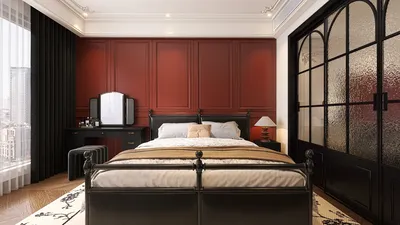
When adding carpentry isn’t feasible, you can enhance your walls with painted simulated panels or frames to replicate the effect of millwork. This approach introduces architectural charm without incurring high costs. I implemented this solution in a rental where the owner wished for elegance on a budget; it significantly enhanced the overall room aesthetic. However, the trade-off lies in durability: high-traffic areas may require regular touch-ups where edges tend to get scuffed.
Want to visualize how layouts interact with colors? Consider using the 3D floor planning feature to see how different shades and furnishings coexist in your design using tools like Homestyler.
save pin
FAQ
Q: What are the best paint finishes for living rooms?
A: Eggshell or satin finishes are recommended for living rooms as they blend durability with a subtle sheen. Matte is ideal for walls that need to conceal imperfections, while satin works well in areas that require wipeability.
Q: How do I select a modern color palette?
A: Begin with your primary furniture or rug, select a dominant neutral, and incorporate one or two accent colors. I often suggest muted shades—like greige, dusty blue, or terracotta—to achieve a contemporary look.
Q: Can dark paint create a cozy ambiance in my living room without making it feel small?
A: Absolutely—when paired with adequate lighting and reflective accents, dark walls can feel inviting rather than constrictive. Lighter ceilings and mirrors can help to balance the depth.
Q: Is hiring a professional advisable for intricate painting techniques?
A: For detailed stripes, textured plaster applications, or bold ceilings, hiring a professional guarantees crisp lines and uniform texture, saving you time and avoiding costly mistakes later on.
Q: How should I test paint colors in my home?
A: Apply full-size swatches on different walls and observe them at various times throughout the day. Small sample cards often fail to capture how a color interacts with your room's specific light.
Q: What budget should I allocate for a modern repaint?
A: For a DIY project using mid-range paint, budget-friendly rooms can begin at a low cost, but professional jobs (including preparation and finish) are typically more expensive; always plan for contingencies regarding primer and tools.
Q: Are there environmentally friendly paint options available?
A: Yes—look for low-VOC or zero-VOC certified paints. Many brands provide information about VOC content on their labels along with certifications for better indoor air quality.
Q: Where can I find guidelines concerning residential paint safety and VOC limits?
A: For authoritative standards and health advice, refer to the United States Environmental Protection Agency (EPA) or your local building codes; the EPA publishes useful resources related to indoor air quality and VOCs (https://www.epa.gov/indoor-air-quality-iaq).
save pin
Discover Homestyler, the ultimate online home design platform! With its user-friendly design tool, stunning 3D renderings, and a wealth of design projects and DIY video tutorials, transforming your space has never been easier. Unleash your creativity and bring your dream home to life today!
Design Now for FREE
































