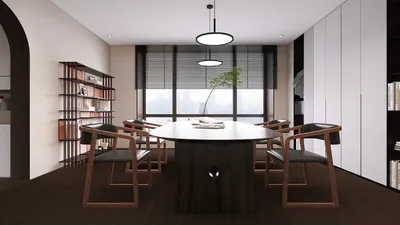


Over the last ten years as an interior designer, I have consistently observed one undeniable fact: picture windows have the power to transform the atmosphere and flow of a living room entirely. These expansive views, especially when well-framed, make even the coziest of spaces appear much larger. Interestingly, smaller areas can often inspire the most creative solutions in layout and decor. Today, I will share ten innovative picture window ideas that I've implemented in various projects, merging contemporary design trends with proven techniques, utilizing tools like Homestyler for visual planning.
1. Sleek Frames for an Unobstructed View
My Experience: In a recent urban apartment renovation, we chose a minimalist aluminum frame that seemed to vanish, allowing the surrounding skyline to serve as the room’s centerpiece.
Advantages: This option maximizes natural light, making it an excellent choice for a modern makeover of living room picture windows. The minimalist framing helps to keep the visual environment uncluttered.
Disadvantages: These thinner frames may compromise insulation, potentially posing challenges in extreme weather conditions.
Advice: If insulation is a key concern, consider thermally broken frames which offer both visual appeal and functionality.
2. Dramatic Floor-to-Ceiling Windows
My Experience: A client wished for a living space reminiscent of an art gallery. We opted for floor-to-ceiling glass, which turned an average area into an extraordinary open environment with stunning views.
Advantages: This design creates an unparalleled connection to the outdoors, allows more daylight in, and conveys a sense of luxury.
Disadvantages: Maintaining privacy can be a challenge; incorporating sheer curtains or smart glass may be necessary.
We complemented this with a streamlined living room furniture arrangement to keep attention on the breathtaking view.
3. Built-in Window Seating
My Experience: Transforming a picture window into a cozy reading nook is a favorite of mine. The built-in bench I designed in a previous project became the client's preferred coffee spot every morning.
Advantages: It merges functionality with charm, includes concealed storage, and enhances relaxation.
Disadvantages: Poor design might obstruct lower views.
Cost Estimate: Budget approximately $800–$2,500, depending on materials and complexity of storage.
4. Elegant Arched Picture Windows
My Experience: In historical homes, arched picture windows not only resonate with the property’s character but also feel fresh and modern.
Advantages: They introduce visual interest, soften architectural rigidity, and can function as a standout feature.
Disadvantages: Custom designs tend to be more costly and may require additional installation time.
Advice: Pair these with matching arched doorways or decorative elements to create a cohesive look.
5. Industrial Style with Black Steel Frames
My Experience: During a loft renovation, the introduction of black steel-framed picture windows reinforced the industrial theme beautifully.
Advantages: This style offers a timeless industrial look, provides sturdy support, and contrasts strikingly with lighter interiors.
Disadvantages: Steel frames can be heavy and may necessitate additional structural support.
6. Glass Wraps for Corner Spaces
My Experience: Merging two walls into a continuous glass corner can create a spectacular influx of light and breathtaking views in even the smallest of living rooms.
Advantages: This design enhances panoramic views and seamlessly blends indoor and outdoor spaces.
Disadvantages: Structural reinforcement may raise installation costs.
I have successfully integrated this with open-concept layouts to maximize visual spaciousness.
7. Stained Glass Inserts for Vintage Charm
My Experience: To add a nostalgic touch, I designed a picture window that featured stained glass panels at the top—creating a magical play of colors in the room.
Advantages: These windows provide artistic illumination, maintain privacy without heavy drapes, and impart a unique handcrafted feel.
Disadvantages: They may obstruct clear outdoor views.
8. Functional Sliding Picture Windows
My Experience: In seaside residences, large sliding picture windows connect the living area to fresh air and the soothing sounds of waves.
Advantages: Great for ventilation, easy to operate, and perfect for social gatherings.
Disadvantages: The sliding mechanisms can require regular maintenance to ensure smooth operation.
9. Multi-Panel Grid Patterns
My Experience: A countryside project utilized a grid layout of multiple panels to craft an architectural feature wall that felt akin to living within a masterpiece.
Advantages: This design creates rhythm and structure along a large glass surface, suiting both traditional and contemporary aesthetics.
Disadvantages: Additional frames result in a slightly decreased unobstructed view.
Note: This design works beautifully with both symmetrical and asymmetrical configurations.
10. Integrated Shades Within the Glass
My Experience: Implementing built-in shades between dual layers of glass helped a homeowner reduce cleaning needs while providing instant control over light and privacy.
Advantages: Eliminates the need for extra window treatments, ensuring a sleek and low-maintenance solution.
Disadvantages: Adding this feature to existing windows can be challenging.
We coordinated these windows with neutral-toned open living and kitchen areas for a unified design flow.
Conclusion
From my perspective, living room picture windows transcend being mere architectural features—they serve as pivotal design elements. Even in compact areas, they encourage us to adopt smarter, more deliberate layouts. As highlighted by Architectural Digest, the abundance of natural light and outside views significantly impact spatial perception and overall well-being. Which of these 10 strategies would you be inclined to implement in your living room using tools like Homestyler for planning?
Frequently Asked Questions
1. What’s the ideal style for a small living room picture window?
Minimalist frames or corner glass wraps excel at optimizing light and views.
2. How can I ensure privacy with a large picture window?
Use sheer drapes, smart glass, or install integrated blinds for efficient control without compromising the openness of the space.
3. Are floor-to-ceiling picture windows energy-efficient?
Efficiency is contingent on the glazing and framing materials—seek options with double or triple glazing for optimal insulation. (Source: U.S. Department of Energy)
4. Is it feasible to replace an entire wall with a picture window?
Certainly, but it's essential to conduct a structural assessment. Consult with an architect or qualified contractor to ensure safety and feasibility.
5. What’s the general cost range for installing a living room picture window?
Prices can range from $1,000 to over $8,000, depending on size, materials, and labor.
6. Will a picture window increase heat during summer?
It may, unless you employ low-E coatings or thermal glazing to minimize heat absorption.
7. Can picture windows be opened for airflow?
Standard picture windows are fixed, but you can opt for sliding models or integrate operable segments.
8. How can I integrate a picture window into an open concept layout?
Think about furniture arrangements that frame the view and maintain open sightlines—similar to the strategy I used in an open-plan living project.
Homestyler is your go-to online home design platform, perfect for all skill levels. With its user-friendly design tool, stunning 3D renderings, and a wealth of inspiring design projects and video tutorials, you can effortlessly create and visualize your dream space. Ideal for DIY enthusiasts!
Progetta ora GRATIS
































