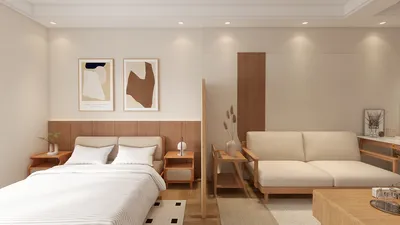


A client once requested I design a kitchen illuminated solely by a disco ball. While it seemed like an entertaining idea, I had to tactfully explain that chopping onions under flashing lights could pose health risks. This experience highlighted an important lesson — compact spaces compel you to be innovative with lighting in unexpected ways. In this article, I will share 10 overhead kitchen lighting suggestions I've implemented in actual projects that can enhance your space's brightness, style, and functionality. Rest assured, these ideas are far more practical than a disco ball. For those planning a kitchen layout, utilizing room planner tools such as Homestyler can assist you in visualizing the effects before making any commitments.
1. Layered Pendant Lights
Instead of a single large fixture, I prefer the look of two or three pendant lights at various heights. This technique adds depth and prevents the space from feeling flat. The challenge lies in selecting the appropriate drop length to avoid bumping your head while cooking.
2. Recessed LED Panels
These fixtures are my top choice for modern and sleek kitchens. They blend seamlessly into the ceiling, providing even, shadow-free illumination. While installation can be challenging in older ceilings, the sleek appearance makes it well worth the effort.
3. Statement Chandelier
Chandeliers can indeed be used in kitchens! In one loft-style project, a dazzling crystal chandelier above the island became a striking focal point. Just make sure it’s appropriate for kitchen use and located away from areas with high heat.
4. Industrial Track Lighting
Track lighting allows you to focus the beams exactly where needed. I used a matte black track system in a client's kitchen, giving it an art gallery ambiance. Employing a free floor plan creator helped us perfect the lighting layout prior to installation.
5. Skylight Integration
If ceiling alterations are an option, nothing surpasses natural light. I have added skylights to even the smallest kitchens, significantly enhancing the mood and energy efficiency. The only drawback is the potential for increased heat during the summer months.
6. Under-cabinet Downlights
While not strictly overhead, these lights work beautifully in conjunction with ceiling fixtures. They are excellent for reducing shadows while prepping on countertops and can also act as subtle night lighting.
7. Flush-Mount Fixtures
Ideal for lower ceilings, these fixtures fit closely to the ceiling yet provide ample illumination. I frequently suggest them for rental properties where more invasive lighting options may not be feasible.
8. Mixed Material Shades
Using materials like wood, rattan, and concrete for ceiling fixtures can introduce texture. In one project, a concrete dome pendant over a marble island created a harmonious and curated feel.
9. LED Strip Accents
Incorporating LED strips along ceiling beams or coves adds a subtle, mood-enhancing glow. We utilized a kitchen layout planner, like Homestyler, to visualize a client’s concept before finalizing the plan, eliminating a lot of guesswork.
10. Vintage Fixtures with Modern Bulbs
I enjoy sourcing vintage fixtures and pairing them with energy-efficient LED Edison bulbs. This combination offers charm without compromising on energy efficiency or brightness.
FAQ
1. What is the best overhead kitchen lighting?
It largely depends on your kitchen's style and ceiling height. I prefer a combination of layered lighting with pendants and recessed LEDs for a balanced approach.
2. How many overhead lights should a kitchen have?
Generally, aim for even coverage. For smaller kitchens, 2–3 fixtures may suffice, while larger areas require more light sources.
3. Are LED lights good for kitchens?
Absolutely! LEDs are energy-efficient, durable, and come in various color temperatures, making them ideal for diverse kitchen atmospheres.
4. Can chandeliers be used in a kitchen?
Yes, provided they are placed away from direct cooking areas and are appropriately sized for the space.
5. How do I choose pendant light height?
A common guideline is to hang them 30–36 inches above the countertop. Adjust based on your height and ceiling to prevent glare or obstruction.
6. Is dimmable lighting good for kitchens?
Definitely! Dimmers provide flexibility in brightness for cooking, dining, or simply relaxing.
7. Should overhead lights be warm or cool white?
Neutral to warm white (3000–4000K) is generally ideal. According to the Illuminating Engineering Society, this range is comfortable for food preparation and social interactions.
8. Can I mix different overhead lighting styles?
Certainly! Combining styles, such as recessed lighting with a statement pendant, can infuse both functionality and personality into your kitchen.
Discover the joy of home design with Homestyler! This user-friendly online platform offers a powerful design tool, stunning 3D renderings, and a wealth of inspiring design projects and DIY video tutorials. Transform your space effortlessly, whether you're a novice or a seasoned designer!
Concevez maintenant gratuitement
































