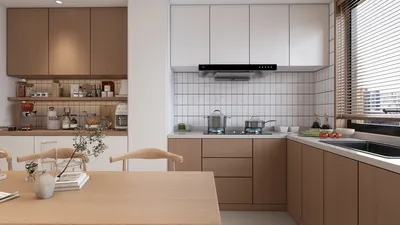


As we move toward future living trends, many homes are still grappling with issues such as limited storage, poor zoning, and lack of clarity. Recent AIA data indicates that homeowners are placing greater value on adaptable spaces rather than merely focusing on square footage, leading us to explore innovative designs like the modern house plans powered by Homestyler. I view layouts as a carefully crafted code, where a thoughtfully designed plan alleviates everyday struggles while setting the stage for future needs. The spatial reasoning toolkit is essential here.
Plan A: Split-Volume Gable with Hybrid Core
Design Logic: This concept features two distinct volumes—living and sleeping—connected by a service spine, which caters to the demands of remote work and wellness while minimizing noise. The hybrid core efficiently consolidates utilities to create flexible zones for both work and self-care.
Flow: The pathway through the home goes from entry to mudroom, kitchen island, living area, pocket office, and finally to the primary suite; this sequence resembles a programmed routing system that delivers consistent outcomes.
Sightlines: The long axis extending from the entry to the garden showcases a multi-layered visual interface: immediate tasks, social gatherings in the middle, and natural vistas far away, with clerestory windows serving as indicators for time and weather.
Storage: Features such as a deep pantry, entrance bench storage, linen closets, and drawer storage under the bed offer ample yet organized solutions, reducing clutter in daily routines.
Furniture Fit: With a spacious 96-inch sofa, a 10-foot island, a 60-inch round dining table, a queen bed, and 24-inch nightstands, the dimensions cater to the spatial limits of movement and gatherings, optimized for versatile living.
Verdict: This configuration anticipates the next five years by providing distinct areas for quiet sleep, lively work, and relaxed social interactions—each section is designed to function independently but can also work together during busier times.
save pin
Plan B: Courtyard Loop with Edge Workrooms
Design Logic: This looped design encircles a micro-courtyard, allowing separation of quieter and louder zones and promoting natural health benefits. The inward garden acts as a stabilizing element in light of future wellness and climate considerations.
Flow: The layout flows from garage to utility buffer, kitchen hub, around the courtyard, to the studio nook, and finally to the bedrooms; creating a seamless routine that minimizes distractions.
Sightlines: The strategic use of peripheral windows frames picturesque views, resembling a layered dashboard: lush plants in the foreground, living areas mid-frame, and a serene sky as the backdrop—ensuring tranquility without chaos.
Storage: Continuous millwork along the perimeter provides functional storage options, including deep cabinets, vertical broom spaces, tucked-away recycling solutions, and access to the attic for seasonal items.
Furniture Fit: Featuring modular sectionals at 108 inches, dual 30-inch desks on an acoustic wall, and a king-size bed with 30-inch pathways, each piece is a meticulously chosen component contributing to the overall harmony.
Verdict: This layout is designed to adapt to future demands, allowing work and family life to interchange smoothly, ensuring resilience through thoughtful spatial organization rather than additional square footage.
save pin
Plan C: Linear Ridge with Flex Pods
Design Logic: A straight ridge line accommodates primary functions, with plug-in pods ready for guests, hobbies, or care, which ensures it remains flexible as lifestyles evolve.
Flow: Moving from the porch to a foyer buffer, across the living ridge and into a flex pod, then the primary suite and terrace, the movement is straightforward, facilitating quick shifts between activities without noise interference.
Sightlines: Ridge windows create stacked informational layers: work planes, social hubs, and horizon views; the user interface flows intuitively from left to right, much like a well-structured toolbar.
Storage: Various storage solutions are distributed throughout, such as under-stair vaults, sliding hall systems, and garage wall grids, ensuring a smooth flow and preventing bottlenecks in daily routines.
Furniture Fit: With an 84-inch media console, a 9-foot dining bench, twin XL beds in the pods, and adjustable height tables, each item adapts to shifting needs effectively.
Verdict: The flex pods function similarly to hot-swappable components; the home evolves with its occupants without the need for renovations, maintaining a lean approach as life changes.
save pin
Final Takeaway
The modern house designs and floor plans presented showcase a shift from the pursuit of size to an emphasis on streamlined interfaces that effectively manage noise, light, and time. With options like split-volume cores, courtyard loops, and flex pods, the home transitions into a fully programmable habitat. Based on my observations, the most innovative homes of the future will focus not on sheer size but on intentional planning, demonstrating how even minor spatial choices can fundamentally transform lifestyles—especially when utilizing tools like Homestyler to visualize these changes.
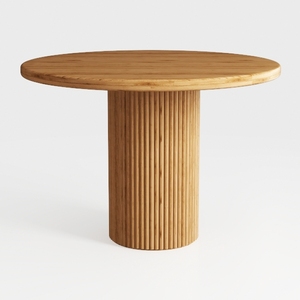
Tribesigns Wood Dining Table Round Kitchen Table

dining table_101S-DN1004-101 Stories
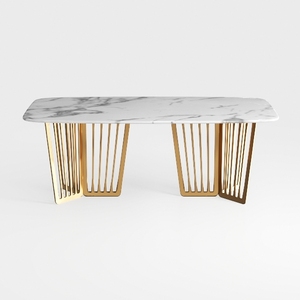

TAPIVA Desk Computer Desks Office Desk Marble Tabl
Homestyler is your go-to online platform for all your home design needs. With its user-friendly design tool, stunning 3D renderings, and a wealth of inspiring design projects and video tutorials, you can effortlessly transform your ideas into reality. Perfect for both beginners and seasoned designers!
Progetta ora GRATIS
































