

The upcoming lifestyle trends are pushing the retail experience to function similarly to software applications, while many existing shopping malls face challenges with navigation, customer engagement, and inconsistent visitor traffic. Recent renovation statistics from NAHB highlight ongoing demand for adaptive, mixed-use spaces, reflecting my clients' requests to enhance traffic distribution across multiple levels. My strategy for designing multi-level malls with eight retail shops involves utilizing a spatial reasoning toolkit as a fundamental tool. The core concept is that a mall operates like an operating system, where each shop functions as a microservice, streamlined for efficiency. Incorporating solutions like Homestyler can facilitate this design process.
Tiered Atrium Spine (8 Shops, Two Levels)
Design Framework: A central void serves as a bandwidth amplifier, enabling seamless flow between floors—accommodating future events, pop-ups, and adaptable leases necessitates this modular approach.
Flow: The sequence starts from entry → atrium node → perimeter loop → escalator pair → mezzanine ring; users navigate the space as if following a well-scripted guide, ensuring low latency.
Sightlines: Extended axial views across the atrium enhance visibility with a layered user interface: prominent signage at 0°, supplementary markers at 30–45°, and intimate storefronts at 90°.
Storage: Back-of-house operations function as a shared resource along the perimeter, featuring vertical service shafts that act as high-speed buffers for inventory replenishment and waste management.
Furniture Accommodation: Kiosks, benches, and planters adhere to a 6–8 ft API lane, while storefront modules align to 15–20 ft bays, allowing for flexible retail configurations.
Conclusion: This architectural layout creates a cohesive signal: even with just eight shops, the atrium spine synchronizes the retail environment for the next five years of hybrid shopping patterns.
save pin
Looped Gallery with Offset Nodes (8 Shops, Three Levels)
Design Framework: A figure-eight configuration circumvents dead ends, and offset nodes become adaptable spaces for events—this design is resilient against changing tenant preferences and seasonal trends.
Flow: The journey initiates from ground ingress → figure-eight gallery → offset lounge node → lift/escalator transition → upper ring; the design ensures minimal routing errors.
Sightlines: Layered frames illuminate shop entrances like digital breadcrumbs; the sightlines across levels foster discovery without overwhelming users.
Storage: Distributed micro-backrooms serve as localized caches, connected by a service corridor framework for efficient last-mile logistics.
Furniture Accommodation: Seating areas and flexible display structures ensure 5 ft of clear movement; modular storefront kits can easily transition to 12–14 ft increments for swift changes.
Conclusion: This looped gallery design equalizes consumer attention, creating a unified shopping interface rather than isolated retail units.
save pin
Transit Hub Hybrid (8 Shops, Single-Level + Split Mezzanine)
Design Framework: Retail is synced with commuting patterns; the layout positions entrances as high-traffic hubs while the mezzanine serves as a quiet workspace and café area.
Flow: The movement sequence consists of dual entries → diagonal desire path → central hall → mezzanine stairs → calm perimeter; the execution resembles an optimized routing table.
Sightlines: Diagonal perspectives provide instant orientation; mezzanine railings outline secondary levels—layered information formats without visual clutter.
Storage: Under-stair and peripheral areas function as smart caches with timed delivery schedules and shared storage nodes for different tenants.
Furniture Accommodation: Transit-grade seating, compact kiosks, and queue management rails maintain 6 ft lanes; storefronts feature 18–22 ft depths to allow for adaptable tenancy and backroom arrangements.
Conclusion: This hybrid model ensures a consistent flow signature for eight shops, accommodating spikes in commuter traffic while maintaining tranquil micro-scale environments—allowing future commuting trends to integrate smoothly.
save pin
Final Insights
Mall floor plans featuring eight shops thrive when the flow of movement is engineered as if it were software—incorporating loops, nodes, and sightlines as the operational interface. Multi-level designs and split mezzanines are variations of the same principle: steering traffic where daily activities naturally occur. From my perspective, the most innovative retail centers of tomorrow won't necessarily be larger; rather, they will be more deliberate in design, and I am committed to advancing that vision, with tools like Homestyler aiding in the design process.

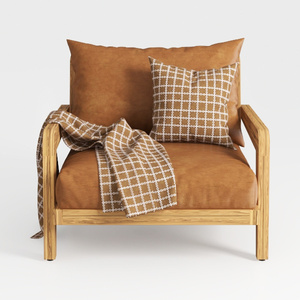
WILLIAMSPACE Upholstered Accent Single Lazy Sofa
VINGLI Upgraded Premium Corduroy Accent Chairs Set
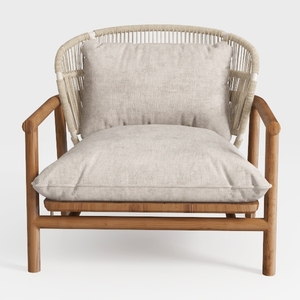
ANJ Modern Arm Chair, Mid-Century Modern Accent Ch
Looking to transform your space? Discover Homestyler—the ultimate online home design platform! With its user-friendly design tool, stunning 3D renderings, and a wealth of DIY video tutorials, you’ll effortlessly create and visualize your dream interiors. Start your design journey today!
Concevez maintenant gratuitement
































