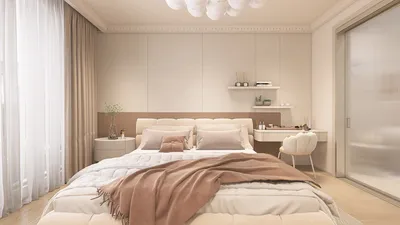


In my decade-long journey as an interior designer, I've witnessed firsthand how meticulously chosen molding can dramatically reshape a living room's ambiance. This year's design trends are characterized by streamlined lines, subtle textures, and the fusion of different materials. However, I firmly believe that even minor adjustments can ignite boundless creativity. In this article, I will present ten innovative molding ideas for living rooms, blending my personal project insights with expert recommendations, enabling you to craft a space that exudes elegance, sophistication, and individuality—akin to what you can achieve with tools like Homestyler.
1. Timeless Crown Molding Elegance
My Perspective: I once transformed a historic apartment by incorporating sharp white crown molding, which instantly elevated the overall grandeur of the area—even with its low ceilings. This thoughtful detail created an illusion of height and refinement.
Benefits: Crown molding imparts a classic aesthetic while visually amplifying a room's height—especially if painted in a contrasting tone. The National Association of Home Builders suggests that such architectural features can significantly enhance a home's perceived market value.
Drawbacks: Precise installation is crucial since even minor displacements can be quite noticeable. Moreover, overly intricate designs may feel overwhelming in a space with already limited verticality.
Suggestion: For contemporary environments, choose sleek profiles over elaborately carved patterns.
2. Sleek Minimalist Baseboards
My Perspective: During a loft renovation, we selected unembellished baseboards and painted them to match the walls. The outcome was a cohesive, art gallery-like atmosphere that directed focus towards the furnishings—similar to how minimalist designs in kitchens minimize visual distraction.
Benefits: Such baseboards can enlarge the perception of a compact living area by minimizing visual noise. They are also simpler to clean and maintain.
Drawbacks: The lack of decorative details may render the effect too stark for homes with a traditional flair.
3. Wainscoting for Enhanced Texture
My Perspective: A client of mine in a petite townhouse desired more depth in their living area. Implementing wainscoting up to chair-rail height immediately enriched the architecture without overwhelming the layout.
Benefits: Wainscoting not only preserves walls but also exudes craftsmanship, particularly when painted in a contrasting color to create eye-catching two-tone wall designs.
Drawbacks: It can limit the options for hanging artwork, necessitating careful planning for wall decor.
Cost Insight: Opting for pre-made panels can lower installation expenses compared to fully customized options.
4. Dramatic Coffered Ceilings
My Perspective: Introducing a coffered ceiling in a living room I remodeled instantly delineated the area, giving it a cinematic atmosphere. Guests are invariably drawn to look upward and comment on its beauty!
Benefits: It adds dimension and texture while cleverly hiding structural elements. In open-concept layouts, it also defines the living area.
Drawbacks: Requires adequate ceiling height; installation is often resource-intensive and may raise costs.
5. Stylish Picture Frame Molding Accent Walls
My Perspective: Utilizing picture frame molding creates a panel-like appearance that can be painted for visual contrast. I once combined this with a soft dusty blue wall, evoking a chic Parisian vibe.
Benefits: It introduces elegance at a reasonable price and works well in both traditional and modern settings.
Drawbacks: Misalignment or uneven spacing can become glaringly apparent.
6. Cozy Board and Batten Molding
My Perspective: In a modern farmhouse initiative, the addition of board and batten molding infused warmth and texture into the homeowner’s neutral living room scheme.
Benefits: It establishes vertical lines that can make walls appear taller and adds rustic charm depending on the finish.
Drawbacks: Dust may accumulate in the crevices if not routinely cleaned.
7. Detailed Ceiling Medallions
My Perspective: Pairing a vintage ceiling medallion with a modern light fixture added an eclectic twist to one of my client’s homes with high ceilings—similar to how glass backsplashes can create an open feeling in kitchens, these medallions draw the eye upwards.
Benefits: They serve as an attractive focal point and complement pendant or chandelier lighting beautifully.
Drawbacks: Not ideal for low ceilings; they may feel excessively ornate in minimalist spaces.
8. Contemporary Shadow Gap Details
My Perspective: During a minimalist renovation, we implemented a subtle shadow gap between the wall and ceiling, creating a floating impression without any conventional trim.
Benefits: This approach offers a sleek, modern look and can incorporate indirect lighting for a cozy ambiance.
Drawbacks: Requires specialized installation; not every contractor is adept in this method.
9. Decorative Casings for Doors and Windows
My Perspective: Expanding the casings around doors and windows in an urban condo provided a polished, high-end touch reminiscent of luxury hotels.
Benefits: These casings enhance architectural openings and can be painted to serve as standout features.
Drawbacks: Intricate designs attract more dust and can contrast with minimalistic styles.
10. Blended Material Moldings
My Perspective: Merging wood, metal, or even leather in molding designs can introduce unexpected textures—one client appreciated how L-shaped configurations offered more usable space and applied similar logic to trim layout.
Benefits: This approach allows for personalization and the combination of classic and contemporary materials.
Drawbacks: Designing harmoniously can be more challenging and complicate the overall project.
Conclusion
Incorporating small details like molding could be one of the smartest strategies to enhance a living room. They foster clever design interpretations rather than limiting creativity. As corroborated by trend reports from Houzz, people are leaning more towards personalized decorative features. Which of these molding concepts would you be excited to implement in your own home using Homestyler?
FAQ
Q1: What molding style is best for a compact living room?
A1: Slim, minimalist crown or baseboards are ideal, as they add polish without overwhelming the space.
Q2: Can molding elevate home value?
A2: Certainly. The NAHB highlights that architectural details like molding can enhance buyer perception and property value.
Q3: How can I select the right molding color?
A3: Either align it with the wall color for a seamless effect or opt for a contrasting hue to emphasize the trim.
Q4: Is installing crown molding challenging?
A4: It does require exact cuts and angles, prompting many homeowners to enlist a finish carpenter's expertise.
Q5: Is it possible to mix different molding styles in a single room?
A5: Yes, just ensure a cohesive theme—marrying modern baseboards with classic crowns works well if color schemes are coordinated.
Q6: How can I make a room with low ceilings appear taller using molding?
A6: Employ slender crown styles painted in the same color as the ceiling to visually enhance height.
Q7: Are there any budget-friendly molding choices?
A7: MDF and polyurethane moldings offer affordable, lightweight, and easy-to-install options.
Q8: Can molding fit into modern design aesthetics?
A8: Absolutely—consider minimalist shadow gaps or flat stock trims for a contemporary look.
Homestyler is your go-to online home design platform! With an easy-to-use design tool, stunning 3D renderings, and a wealth of DIY video tutorials, you can transform your home ideas into reality effortlessly. Start designing your dream space today!
Design Now for FREE
































