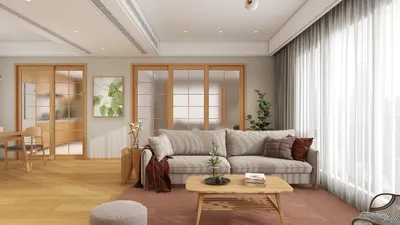


As an interior designer who has experience with various living room layouts, I've discovered that the space directly beneath windows is frequently neglected. Modern design trends highlight the importance of multifunctional areas and cozy seating, particularly in smaller spaces, which can inspire significant creativity. In this piece, I will share ten innovative living room ideas centered around under-window utilization, based on my personal projects and industry expertise, each accompanied by practical advantages and drawbacks to guide your decisions.
1. Built-In Window Bench Seating
My Perspective: I truly appreciate the charm of adding built-in benches beneath windows — it’s akin to creating a cozy café corner in your living room. In a compact apartment project, this became the most frequented spot in the home.
Advantages: It serves dual purposes as seating and storage, while also enhancing natural light for reading. Ideal for smaller living rooms looking for functional furniture solutions, such as using Homestyler to visualize designs.
Disadvantages: It may obstruct access to radiators if not carefully planned and typically involves custom carpentry, which can be expensive.
Advice: I often recommend pairing this design with minimalist storage options underneath so as not to overwhelm the area.
2. Under Window Bookcase
My Perspective: An under-window bookcase not only fills an awkward gap but also keeps your favorite books accessible. I designed one for a client who preferred a low-profile unit that wouldn’t obstruct the view.
Advantages: It adds character, provides storage, and serves as a stylish feature with color-coordinated book spines.
Disadvantages: If placed too close to seating, it may limit legroom; additionally, it requires frequent dusting compared to closed storage options.
3. Radiator Cover with Shelf
My Perspective: In an older residence, I crafted a customized radiator cover that functioned as a display shelf, transforming an unsightly element into a focal point.
Advantages: It enhances the aesthetic, allows safe use of the area, and provides a ledge for decorative items or plants. According to the UK Energy Saving Trust, a well-designed cover can maintain adequate ventilation around radiators.
Disadvantages: If ventilation becomes blocked, heating efficiency may decrease; thus, careful planning is essential.
4. Desk Under the Window
My Perspective: For a remote worker in a city dwelling, I positioned their desk beneath a broad window to maximize daylight exposure.
Advantages: It fosters natural lighting, enhances mood, and works well for a functional small office setup.
Disadvantages: Glare could be problematic; therefore, blinds or sheer curtains are crucial.
Advice: I often suggest an adjustable chair for diverse uses throughout the day.
5. Pet Bed Nook
My Perspective: One client's cat claimed the window sill as her domain, so we constructed a cushioned nook right below it.
Advantages: This keeps pets close to natural light and engaging views (hello, birdwatching!); it blends seamlessly with your design.
Disadvantages: It may reduce human accessibility to that area; fabric choices must be pet-friendly and washable.
6. Low Media Console Under Window
My Perspective: In a narrow living room, I opted for a low-profile media console beneath the window, neatly accommodating the TV and storage without being obtrusive.
Advantages: It maintains clear sightlines, provides essential storage, and harmonizes with architectural elements.
Disadvantages: Direct sunlight can create glare or cause electronics to fade over time.
Advice: Consider L-shaped layouts that maximize surface space when combining consoles with seating.
7. Indoor Herb Garden
My Perspective: For an urban couple, we transformed their under-window shelf into a flourishing mini herb garden, allowing them to enjoy fresh basil year-round.
Advantages: It introduces greenery, naturally scents the room, and encourages a sustainable lifestyle.
Disadvantages: Regular watering is essential; it may attract small insects if neglected.
8. Storage Ottoman Row
My Perspective: I positioned two elongated ottomans beneath a large window — they serve as seating for guests and concealed storage otherwise.
Advantages: Versatile use, portable, and perfect for small-space adaptability, making them easy to visualize through platforms like Homestyler.
Disadvantages: They are less integrated compared to built-ins and could lead to clutter if not matched correctly.
9. Art Display Ledge
My Perspective: In a loft space, I utilized the under-window area for a simple ledge, curating a mini gallery that was visible from outside at night.
Advantages: It offers a striking way to express personal style and allows for easy updates over time.
Disadvantages: Functional value beyond display is limited; prolonged sunlight may fade artworks.
Advice: Floating ledges are ideal for achieving a polished appearance here.
10. Reading Nook with Cushions
My Perspective: One of my favorites — I crafted a soft, layered cushion arrangement beneath a bay window for a passionate reader client.
Advantages: It creates a welcoming retreat, leverages natural light, and contributes texture to the room’s design.
Disadvantages: Regular maintenance is needed for fluffing cushions and cleaning textiles.
Advice: To add warmth, consider layering textures that complement wooden accents throughout the space.
Conclusion
Based on my experience, utilizing the under-window area within a living room allows for more inventive design choices rather than constraints. Whether you opt for built-in seating, storage, or decorative displays, there’s no need for this area to remain underutilized. As per the American Society of Interior Designers, elements of multifunctional design are a significant trend for 2024. Which of these ten under-window living room concepts would you be eager to implement, perhaps using Homestyler to explore them in 3D?
FAQ
1. What are the optimal under-window ideas for compact living rooms?
Built-in benches, low media consoles, and storage ottomans are fantastic space-saving options that also enhance the room's aesthetic.
2. Is it feasible to place a desk beneath my living room window?
Absolutely — just manage sunlight glare with blinds or sheer curtains. This positioning optimizes natural light utilization.
3. How can I design storage solutions beneath the window?
Custom cabinets or open shelving tailored to the sill height makes for a deliberate and cohesive appearance that complements your living room’s style.
4. Is it secure to place furniture over a radiator?
Yes, as long as you ensure proper ventilation — the UK Energy Saving Trust recommends caution to maintain heat efficiency.
5. Will sunlight cause damage to furniture placed under a window?
Over time, direct sunlight can fade fabrics and wood. To mitigate this, consider using UV-filtering films or curtains.
6. Can an under-window seat work in a modern living room?
Certainly. Utilizing minimalist textiles and hidden storage maintains a clean aesthetic, aligning with contemporary design principles.
7. How can I adapt the under-window area to be pet-friendly?
Incorporate washable fabrics, secure cushions, and choose materials resistant to scratches.
8. Where can I find examples of under-window storage designs?
You can browse practical case studies, including our AI home design examples, for creative inspirations and solutions.
Discover your home design potential with Homestyler! This user-friendly online platform offers an intuitive design tool, stunning 3D renderings, and a wealth of DIY video tutorials. Whether you're a novice or an experienced designer, Homestyler empowers you to create beautiful spaces effortlessly. Start your journey today!
تصميم الآن مجانا
































