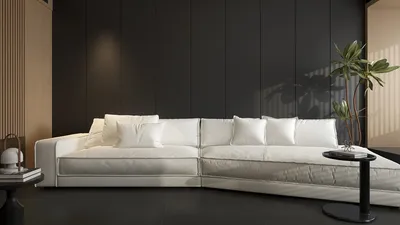


In the past ten years, I've observed that compact spaces compel us to be more creative, and living rooms are no exception. One of my favorite adaptable furnishings is the futon; it serves as a sofa during the day and transforms into a bed at night. In this article, I will present ten living room futon concepts influenced by my own experiences and backed by design analysis, showcasing that even small areas can exude style and comfort using resources like Homestyler.
1. Streamlined Minimalist Futon
My Perspective: Once, I designed a 30-square-meter studio for an owner who desired a serene, uncluttered ambiance. A minimalist futon with a narrow silhouette instantly enlarged the perception of space.
Advantages: It works wonders in compact living rooms as its clean lines foster a sense of spaciousness and minimize visual chaos, a strategy frequently highlighted by Apartment Therapy.
Disadvantages: It might seem somewhat bare if textures or soft touches are not incorporated.
Suggestion: Combine with a textured rug or layered throws to introduce warmth.
2. Futon Featuring Concealed Storage
My Perspective: In a tiny urban flat, I found a futon equipped with deep under-seat storage for a client, allowing her to store extra linens without encroaching on her limited floor space.
Advantages: This design integrates under-seat storage for enhanced functionality, perfect for small living areas in city homes.
Disadvantages: It may be slightly cumbersome to relocate and can appear bulkier.
Case Study: I frequently recommend this solution for multifunctional spaces, similar to minimalist living room storage design projects I've undertaken.
3. Scandinavian-Style Neutral Futon
My Perspective: The warmth brought by light wood legs combined with beige or gray upholstery is something I deeply appreciate. A Scandinavian-inspired futon fosters a sense of calm and harmony.
Advantages: This timeless style complements various living room furniture trends, making it an excellent long-term investment for compact spaces.
Disadvantages: Light-colored fabrics can be prone to staining, hence they might not be ideal for homes with children or pets.
4. Convertible L-Shaped Futon
My Perspective: In a corner apartment, I opted for an L-shaped futon to enhance seating and create a snug nook.
Advantages: It provides additional seating without expanding the room's footprint, making it perfect for open-plan living areas.
Disadvantages: The options for placement are somewhat limited and work best in designated corners.
5. Vibrantly Upholstered Futon
My Perspective: A bright teal futon transformed the atmosphere in a client's otherwise neutral living room.
Advantages: This accent fabric infuses personality and can act as a focal point, a notion supported by color psychology in design.
Disadvantages: A bold color may clash with future decor changes.
Suggestion: Maintain a neutral palette for surrounding elements to allow the futon to stand out.
6. Low-Profile Japanese Futon Couch
My Perspective: For zen-inspired interiors, I often choose low futons positioned near simple tatami-style mats.
Advantages: This design promotes a relaxed atmosphere; ideal for nurturing mindful spaces in compact living rooms.
Disadvantages: Getting up may be challenging for older guests.
7. Futon with Wooden Frame Features
My Perspective: Sturdy wooden arms and frames impart an organic warmth not typically found in metal options.
Advantages: Wooden frames are robust and visually appealing, harmonizing perfectly with nature-themed decors.
Disadvantages: They can be heavier and necessitate occasional maintenance.
In one project, these wooden elements created a warm atmosphere, effectively linking the living and dining areas.
8. Armless Futon for Maximum Seating Width
My Perspective: Opting for a futon without armrests allows for accommodating more guests comfortably in intimate living spaces.
Advantages: This maximizes every inch of seating available; it's easy to complement with side tables for visual balance.
Disadvantages: Lacking armrests may reduce comfort for lounging.
9. Sleek Leather Futon
My Perspective: A black leather futon became the stunning centerpiece of a modern bachelor pad I designed.
Advantages: It's simple to clean and adds sophistication, especially in contemporary small living areas.
Disadvantages: It can be chilly in winter and may scratch easily.
10. Futon with Patterned Fabric
My Perspective: I once sourced a patterned futon that added instant character to an otherwise monotonous space.
Advantages: It introduces visual appeal without additional decor, as highlighted by trend reports from Houzz on patterned upholstery.
Disadvantages: Patterns may restrict future flexibility in your decor choices.
Case Study: I've seen AI-enhanced fabric selections transform cohesiveness between furniture and accessories significantly.
Conclusion
From my perspective, a compact living space does not necessitate sacrificing comfort or character; rather, it encourages smart and versatile design choices. The futon exemplifies this adaptability beautifully. Which of these ten living room futon concepts appeals to you the most for your home?
FAQ
1. What futon style is best suited for small living rooms?
Futons that feature minimalist designs with hidden storage options are ideal, as they conserve space while providing functionality.
2. How can I enhance the style of my living room futon?
Adding layered textiles, accent pillows, and thoughtfully designed lighting can elevate the futon’s impact within the room.
3. Are futons suitable for everyday use?
Comfort levels vary — seek out options with high-density foam and robust frames for superior daily use, as advised by Consumer Reports.
4. Can a futon take the place of a traditional sofa?
Certainly, particularly in compact living rooms, a futon can double as both seating and a sleeping option for guests.
5. Which color futon is ideal for small spaces?
Neutral hues such as beige or gray promote an airy feel, while vibrant accents can infuse personality.
6. How should I maintain a futon?
Most futon covers are removable and machine washable; leather and faux leather surfaces can be easily wiped clean.
7. What are the drawbacks of having a futon?
Futons may offer less cushioning compared to standard sofas; some designs can be trickier to assemble.
8. Can I personalize a futon's appearance?
Absolutely — changing covers or adding decorative throws is simple, much like the updates I perform in 3D home visualizations using tools like Homestyler.
Homestyler is your go-to online home design platform that makes creating beautiful spaces easy and fun. With its user-friendly design tool, stunning 3D renderings, inspiring design projects, and helpful video tutorials, you'll have everything you need to turn your design dreams into reality!
Design Now for FREE
































