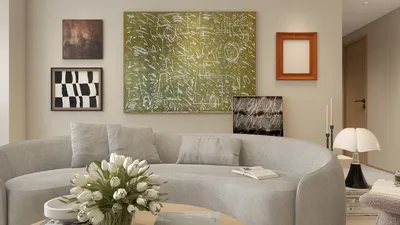


In recent years, the design of living room floors has increasingly become a hot topic in interior design discussions. Having reimagined numerous homes, I've found that small areas can be a canvas for creativity — selecting the right flooring can drastically alter the ambiance of a living room. Today, I’m excited to share 10 innovative floor design ideas for living rooms, enriched by my experiences and insights from industry experts, along with a spotlight on utilizing tools like " Homestyler" to visualize these concepts.
1. The Warmth of Natural Wood Flooring
My Perspective: There's something enchanting about how wood flooring instantly injects warmth into a living space. In one project, we incorporated reclaimed oak, which aged beautifully and brought a unique charm to the room.
Benefits: Natural wood is a timeless choice that boasts durability and compatibility with various design styles — particularly minimalistic, cozy aesthetics. The National Wood Flooring Association states that well-maintained solid hardwood can endure over five decades.
Drawbacks: It can easily scratch and is vulnerable to moisture, making it less suitable for households with energetic pets.
Tip: Opt for matte finishes to disguise minor imperfections more effectively.
2. Patterned Tiles for a Striking Impact
My Perspective: For one client, I suggested installing Moroccan-inspired tiles in their living area, resulting in a vibrant centerpiece. It became the most Instagrammed corner of their home.
Advantages: These tiles are fantastic for infusing personality and harmonizing color palettes. They're also relatively easy to care for and resistant to wear.
Disadvantages: They can feel cold underfoot, so consider adding rugs during winter for added comfort.
Explore ideas like minimalist kitchen storage to see how patterned tiles can achieve a balance of function and aesthetic appeal.
3. Textured Carpeting for Comfort
My Perspective: Growing up with carpeting, I adore how it softens a living room — making it an ideal setting for family movie nights on the floor.
Pros: Carpet adds insulation, retains warmth, and creates a safe area for children to play.
Cons: It demands frequent cleaning and may not be the best choice for those with allergies.
Tip: A wool blend offers enhanced durability and resistance to stains.
4. Chic Herringbone Wood Patterns
My Perspective: The first time I installed herringbone parquet was in an apartment inspired by Paris. The transformation was remarkable — it instantly upgraded the space's sophistication.
Benefits: This pattern adds texture and visual intrigue while maintaining a classic charm that suits both contemporary and traditional settings.
Drawbacks: The installation process can be complex, which might raise labor costs.
5. Polished Concrete for a Modern Touch
My Perspective: I once recommended polished concrete to a hesitant client, who ultimately adored its sleek, loft-like aesthetic. Its reflective properties made the room appear larger.
Pros: It's exceptionally durable, requires minimal maintenance, and complements industrial or modern decor excellently. Recently, there’s been a notable rise in the popularity of concrete floors, as reported by Architectural Digest.
Cons: The surface can be chilly and hard underfoot, so adding rugs is essential for comfort.
Tip: Sealing the surface will help protect against stains from spills.
6. Vinyl Planks for Cost-Effective Style
My Perspective: For a budget-friendly makeover in a rental, I chose high-quality vinyl planks in a rich walnut hue, which provided the warm feel of wood without the upkeep concerns.
Advantages: They're economical, waterproof, and simpler to install than hardwood options.
Disadvantages: They may not last as long as genuine wood, and heavy furniture can leave indents.
Explore layouts that maximize functionality — the principles of efficiency in flooring designs are just as applicable.
7. Area Rugs for a Layered Aesthetic
My Perspective: In many open-concept apartments, I've incorporated large area rugs to define the living space while seamlessly blending with dining or study areas, eliminating the need for walls.
Pros: They're easy to swap out seasonally and enable the layering of various textures and colors.
Cons: Frequent vacuuming is necessary, and choosing the wrong size can disrupt a room's balance.
Tip: For a unified appearance, ensure that all the front legs of furniture rest on the rug.
8. Black and White Checkerboard Tiles
My Perspective: I once experimented with checkerboard tiles in a retro-themed living room, immediately adding dramatic flair and a nostalgic vibe.
Pros: These tiles create a striking visual impact and are timeless in specific design contexts. Moreover, they're easy to maintain.
Cons: They can overwhelm smaller spaces; it's ideal to pair them with minimalist furniture.
9. Bamboo Flooring for Eco-Conscious Living
My Perspective: A sustainability enthusiast client was thrilled with our choice of bamboo flooring — both durable and renewable.
Pros: Bamboo is environmentally sustainable, grows back more rapidly than hardwood, and is surprisingly robust.
Cons: It can be sensitive to humidity fluctuations, necessitating a stable indoor atmosphere.
Tip: Opt for strand-woven bamboo for increased durability.
Consider the warmth that wood accents provide — bamboo similarly enhances the atmosphere.
10. Mixed Material Spaces
My Perspective: In a loft design, I combined hardwood with tiles in varying sections — wood for relaxation areas and tiles for high-traffic entry points.
Benefits: This approach allows for functional zoning without walls and enhances visual appeal.
Drawbacks: Achieving seamless transitions between materials necessitates skilled installation.
Conclusion
Having a smaller living area doesn't limit your choices — rather, it prompts smarter decisions about living room floor designs. From inviting wood to eye-catching tiles or sustainable bamboo, the right flooring sets the stage for the entire space. Notably, as mentioned by Architectural Digest, a thoughtful flooring choice can elevate a property's perceived value. Which of these 10 floor ideas resonate with you for your home? And if you’re looking to visualize these concepts, consider employing tools like " Homestyler" to explore your options effectively.
FAQ
1. What’s the ideal flooring for a compact living room?
Light-colored hardwood or vinyl planks can help smaller spaces feel larger while maintaining comfort.
2. Which living room floor option is the simplest to care for?
Vinyl planks and polished concrete require the least maintenance when compared to wood or carpet.
3. Is it feasible to install patterned tiles in a living area?
Yes, particularly in larger areas or open layouts. Patterned tiles impart visual intrigue and durability.
4. Is bamboo flooring suitable for a living space?
Yes — strand-woven bamboo is comparable in hardness to certain hardwoods, according to the US Forest Service.
5. How can I make my living room floor cozier during winter?
Utilize large area rugs paired with underlay padding for added softness and insulation.
6. Does flooring impact room acoustics?
Certainly, as carpets and rugs absorb sound, whereas hard surfaces can reflect it.
7. How do I mix various flooring materials within a single living room?
Transition strips and careful design planning can help achieve a seamless and stylish integration.
8. Can eco-friendly flooring options enhance home value?
Absolutely — sustainable choices like bamboo often attract eco-conscious buyers, enhancing marketability.
Discover the ease of home design with Homestyler! This online platform offers a user-friendly design tool, stunning 3D renderings, a wealth of design projects, and helpful DIY video tutorials. Transform your space effortlessly and unleash your creativity today!
Progetta ora GRATIS
































