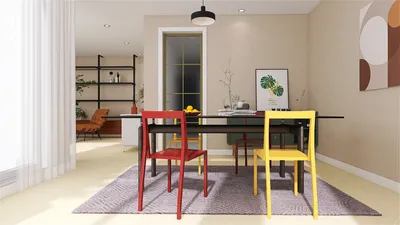


Throughout my decade-long experience in home design, I've observed an intriguing trend: white sofas have emerged as an enduring focal point in living rooms, particularly in alignment with the 2024 interior design landscape. These sofas serve as a pristine backdrop—clean, adaptable, and ready to be styled in numerous ways. Interestingly, smaller or cozier living spaces tend to inspire the greatest creativity. In this guide, I will present 10 innovative living room decorating concepts featuring a white sofa, infusing my firsthand experiences with insights backed by industry experts such as Homestyler.
1. Minimalist Neutrals
My Experience: In my first apartment, I complemented my white sofa with beige walls, a natural jute rug, and soft linen drapes. This minimalist aesthetic imparted an immediate sense of tranquility.
Advantages: Employing minimalist neutrals fosters a peaceful environment, providing small living areas with an airy sensation. As stated by Architectural Digest, light hues can create an illusion of spaciousness.
Disadvantages: A severe lack of texture alongside several neutral tones may lead to a monotonous appearance.
Suggestion: Enhance depth through layers of different fabrics, or consider minimalist storage solutions to maintain an uncluttered aesthetic.
2. Bold Color Highlights
My Perspective: I once styled a client’s white sofa with lush emerald green velvet cushions and a dynamic abstract rug, instantly breathing life into the area.
Benefits: Vibrant accents inject personality into a room, reflecting seasonal moods. The white sofa acts as the perfect canvas for these bold choices.
Drawback: Overusing intense hues may overwhelm a small space.
Example: Change up pillow covers based on current trends—this is both cost-effective and swift.
3. Light Enhancing Glass Accents
My Experience: Incorporating a glass coffee table and other glass decor pieces creates an open feel without obstructing views, a strategy I highly value.
Advantages: Glass furnishings reflect natural light, amplifying brightness in more compact areas.
Disadvantages: Glass may necessitate frequent cleaning and might not be ideal for homes with young children.
Tip: Opt for tempered glass to improve durability; ideally, choose tables that offer additional storage beneath.
4. L-Shaped Arrangement
My Experience: In a city loft project, we positioned a white sectional in an L shape, effectively separating the living area from the dining section without the need for walls.
Pros: This setup maximizes surface area while demarcating different zones within the space. HGTV highlights this layout as one of the best for open-plan apartments.
Cons: Precise measurements are necessary to ensure that walkways remain practical.
Idea: Place a rug under the seating to visually anchor the area or explore L-shaped designs that optimize table space for versatile living.
5. Warm Wooden Accents
My Take: Pairing a white sofa with oak shelves and walnut coffee tables introduces a welcoming atmosphere—I’ve employed this strategy in various Scandinavian-inspired projects.
Advantages: Natural wood adds warmth, balancing the crispness of white furniture.
Drawback: An abundance of differing wood tones might create a mismatched look.
Tip: Limit to 2-3 wood tones within a single room to achieve visual coherence.
6. Textural Depth
My Experience: In one design project, I melded a chunky knit throw with breathable linen cushions and a silk area rug—resulting in an opulent yet inviting vibe.
Pros: Mixing textures introduces interest without excess clutter.
Cons: Overlayering can complicate cleaning routines.
Tip: Choose coverings that are removable and machine-washable to maintain fabric freshness.
7. Featuring Statement Artwork
My Take: A large, framed photo above the white sofa served as a striking centerpiece for a client passionate about travel photography.
Pros: A well-placed statement wall captivates attention and adds character to any room.
Disadvantages: Too large a piece can risk overwhelming the space.
Example: Combine smaller frames to create a gallery wall effect, and consider using tools like Homestyler for 3D visual planning to test furniture placements before finalizing decisions.
8. Monochromatic Schemes
My Take: Dressing a white sofa with accents in black and gray lent a contemporary edge to one of my bachelor clients' living rooms, all while maintaining elegance.
Advantages: Monochrome themes are timeless and exude sophistication.
Disadvantages: There exists a risk of creating an overly cold atmosphere if warm accents are absent.
Tip: Employ warm lighting or metallic details to soften the overall aesthetic.
9. Inviting Reading Enclave
My Experience: Incorporating a floor lamp and adjacent bookshelf next to the couch turned my living room into a cozy reading haven for lazy Sundays.
Benefits: Efficiently utilizes corner space while establishing a functional retreat.
Drawback: Can appear cluttered if books and decor lack organization.
Tip: Choose slimline furniture to avoid overcrowding the nook.
10. Seasonal Decor Transformations
My Take: I enjoy rotating seasonal decor—utilizing warm-toned throws in winter and fresh floral arrangements paired with citrus colors in summer.
Advantages: This approach keeps the ambiance lively and inspiring throughout the year.
Drawback: It does require extra storage space for off-season decorations.
Idea: Focus on adaptable base pieces, swapping only a few accents with each change of season.
Conclusion
Designing around a white sofa encompasses endless possibilities—ensuring clever style choices instead of imposing limitations. Whether embracing cozy wood elements, dynamic seasonal updates, or sleek glass features, each decision has the power to rejuvenate your living area. As noted by Elle Decor, a white sofa acts as "a blank slate for personal expression." Which of these suggestions are you eager to implement first?
FAQ
Q1: Is a white sofa suitable for family environments?
A1: Absolutely, provided you opt for washable slipcovers or performance fabrics designed to resist stains. I've crafted numerous stylish and family-friendly setups with white sofas.
Q2: How should I decorate a white sofa in a compact living area?
A2: Use light wall colors and mirrors to enhance space perception while keeping furniture appropriately scaled to prevent overcrowding.
Q3: Which accent hues complement a white sofa best?
A3: Incorporate neutrals for a tranquil feel, or choose bold shades for vivacity—each approach can align with your individual style.
Q4: Can white sofas be functional in rental apartments?
A4: Definitely. Employ slipcovers for protection and styling that's easily reversible when moving out.
Q5: How can I make my white sofa the highlight of the room?
A5: Pair it with a statement art piece or a vibrant patterned rug. Even a thoughtfully placed throw can elevate its prominence.
Q6: Are glass tables child-safe?
A6: Yes, ensure you use tempered glass and opt for rounded edges to enhance safety, as advised by the Consumer Product Safety Commission.
Q7: What is the simplest way to refresh a white sofa seasonally?
A7: Changing pillow covers and throws is effective—store off-season items in an organized manner.
Q8: Is it advisable to mix various wood tones with a white sofa?
A8: Indeed, but it’s best to limit it to 2-3 wood tones for visual uniformity. In one design I completed, I harmoniously paired oak and walnut to complement the white excellently.
Homestyler is your go-to online platform for home design. With its user-friendly design tool, stunning 3D renderings, and a wealth of DIY video tutorials, you can easily create and visualize your dream space. Transform your home design ideas into reality today!
Progetta ora GRATIS
































