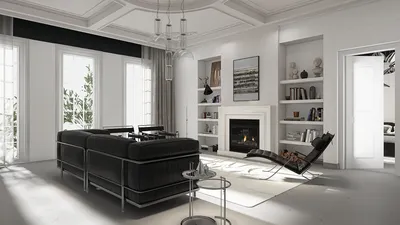


Over the past ten years as an interior designer, I have witnessed significant transformations in living rooms, often thanks to one seemingly simple fixture — the ceiling fan. Currently, functional décor is taking center stage in interior design trends, as small-space living encourages us to think outside the box. Today, I’m excited to share 10 innovative ceiling fan ideas for the living room that I’ve either implemented or observed effectively in real homes. Small spaces can indeed inspire grand creativity, and the examples below will illustrate just that.
1. Sleek Minimalist Ceiling Fan
My Experience: During a recent project in a compact apartment, we selected a smooth, matte-white ceiling fan that seamlessly blended into the ceiling. This choice maintained an airy atmosphere without drawing attention away from the artwork displayed on the wall.
Advantages: This design integrates effortlessly with white ceilings, making it ideal for Scandinavian and Japandi styles. It promotes a sense of visual calm — which is crucial in smaller living areas.
Disadvantages: It may appear too understated if your room seeks a statement piece. Additionally, dust can be less noticeable until it becomes quite visible.
Suggestion: Complement it with white recessed lighting to achieve a cohesive look, similar to how I merged minimalist storage solutions into compact kitchen layouts using Homestyler tools.
2. Warm Wooden Blades
My Experience: Wooden tones bring about a natural warmth that effectively softens a contemporary living space. In one industrial loft, I incorporated walnut blades to counterbalance the metal elements present.
Advantages: Wood adds texture and depth, pairing beautifully with wooden coffee tables and shelves. A 2023 Houzz trend report indicates that organic materials continue to gain popularity.
Disadvantages: Authentic wood can warp in high humidity; if this is a concern, consider choosing treated or composite blades instead.
3. Flexible Dual-Mount Systems
My Experience: Adjustable mounting options have proven invaluable when facing uncertain ceiling heights. I have successfully used hugger mounts for lower ceilings and downrods for more expansive areas, utilizing the same fan design.
Advantages: This versatility accommodates various ceiling heights, eliminating safety issues with clearance. It’s particularly advantageous for open-concept living rooms featuring varying ceiling elevations.
Disadvantages: Adjustable models can come at a premium, often costing 15-20% more. Some designs using downrods might exhibit slight wobbling at higher speeds.
4. Bold Statement Fan in Black
My Experience: In a completely white condominium living area, a matte-black ceiling fan served as the focal point. When paired with black-framed artwork, it delivered a striking and intentional look.
Advantages: The high contrast introduces drama, making it ideal for minimalist or monochrome designs where a bold accent is desirable.
Disadvantages: It will accumulate dust more noticeably compared to lighter shades. Such heavy contrast may not appeal to everyone's aesthetics.
5. Remote-Controlled Ease
My Experience: Clients have appreciated the ease of adjusting fan speeds without getting up from the couch. This has been a game changer for open-plan family areas.
Advantages: This feature offers enhanced comfort and convenience, which is especially beneficial for seniors or individuals with mobility issues. It often includes light dimming functions as well.
Disadvantages: If the remote goes missing or malfunctions, it can lead to inconvenience; consider models equipped with wall switch alternatives.
6. Ceiling Fan with Integrated LED Lighting
My Experience: In a compact living and dining combination, I replaced an outdated chandelier with a ceiling fan that included built-in LED lighting. This single fixture optimized visual space greatly.
Advantages: This design saves ceiling space, is energy-efficient, and is often dimmable for creating ambiance. It’s perfect for smaller homes where maximizing every inch is paramount.
Disadvantages: If the integrated LED panel fails, replacing it might present difficulties. Always verify the availability of replaceable modules before selecting.
Note: I paired this with an L-shaped furniture arrangement to facilitate airflow — akin to how L-shaped kitchen designs maximize counter space using Homestyler.
7. Coastal Bamboo Fan
My Experience: In a beach house project, a light and breezy design was essential. The bamboo-bladed ceiling fan achieved this wonderfully, evoking a vacation vibe in the living space.
Advantages: It offers an airy, tropical atmosphere and pairs well with light fabrics and rattan furnishings, complementing seafoam or sandy neutrals nicely.
Disadvantages: This style can feel out of context in non-coastal homes unless paired thoughtfully with appropriate décor.
8. Reversible Motors for Year-Round Functionality
My Experience: I consistently recommend reversible fans. By reversing the blades in winter, warm air circulates effectively, providing an energy-efficient solution.
Advantages: Expands functionality throughout the year. It can contribute to lower heating costs; the U.S. Energy Department confirms that ceiling fans reduce strain on HVAC systems.
Disadvantages: A slight buzzing sound from the motor in reverse mode is typical but may be bothersome for some individuals.
9. Low-Profile Hugger Fans
My Experience: Low ceilings shouldn’t hinder airflow. In a heritage apartment, I chose a hugger fan that was less than 8 inches from the ceiling.
Advantages: Ideal for rooms with ceilings below 8 feet. It clears headspace while providing efficient airflow.
Disadvantages: Such fans may yield slightly less airflow compared to models with longer downrods.
Suggestion: Ensure the blade span corresponds with room size — a 44" span works well for smaller living rooms, while larger spaces may require wider blades.
10. Smart Home-Enabled Ceiling Fan
My Experience: As a technology enthusiast, I appreciated linking a ceiling fan with voice control. Saying “Alexa, set fan speed to three” felt remarkably futuristic.
Advantages: This creates seamless compatibility with smart lighting and thermostats, allowing for scheduled settings to improve energy efficiency.
Disadvantages: Initial costs can be higher, and reliable Wi-Fi is a must. Be prepared for occasional software updates as well.
In one renovation, I utilized AI-powered design tools like Homestyler to forecast the furniture arrangement alongside airflow considerations.
Conclusion
For me, integrating a ceiling fan into the living room transcends mere airflow; it merges functionality with aesthetic appeal. Especially in smaller areas, a thoughtfully selected fan can serve as a design anchor while ensuring comfort. Remember, constraints often nudge us toward smarter, more purposeful design solutions. Which of these 10 ceiling fan ideas are you inspired to try in your own living room?
Common Questions
Homestyler is your go-to online home design platform! With its user-friendly design tool, stunning 3D renderings, a wealth of inspiring design projects, and helpful video tutorials, you can effortlessly create and visualize your dream spaces, no matter your experience level.
Zaprojektuj teraz za darmo
































