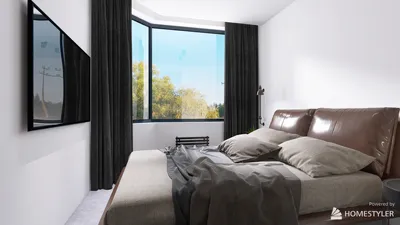


In the last ten years of interior design, I've observed a notable trend prioritizing texture and authenticity — a brick wall can truly embody these qualities in your living space. Personally, I believe that even the coziest areas can spark the most creativity, and introducing a brick feature wall can endow a room with character without making it feel constricted. In this piece, I will present 10 innovative living room ideas featuring brick walls, incorporating my professional experiences alongside findings from various design projects and studies.
1. Minimalist Brick Accent in Neutral Colors
My Perspective: In a compact apartment renovation, we opted to paint the existing red brick a gentle grey hue. This subtle transformation maintained the brick's texture while ensuring it didn't dominate the space — an ideal fit for minimalist design aesthetics.
Advantages: Neutral-toned brick complements Scandinavian-inspired interiors beautifully and pairs well with light wood flooring. It also enhances light reflection, making smaller living rooms appear more spacious.
Disadvantages: Painting brick can diminish its rustic charm, and if you decide to change its color later, repainting may become a complex task.
Tip: Combine this look with minimalist storage options to maintain an open and uncluttered environment.
2. Rustic Exposed Red Brick
My Perspective: I worked on a loft conversion that featured original 1930s brick walls in excellent condition. We simply cleaned and sealed them, allowing their historic beauty to shine.
Advantages: It infuses warmth and narrative into the space. The 2023 Living Room Trends report from Houzz suggests that exposed brick can enhance the perceived value of character-rich homes.
Disadvantages: It may feel too heavy in very small spaces unless you balance it with lighter elements.
3. Whitewashed Brick for Coastal Aesthetic
My Perspective: At a seaside vacation property, we applied a delicate whitewash over brick to soften its appearance while preserving its texture. This resulted in an airy and relaxed elegance.
Advantages: Works harmoniously with rattan furniture and blue accents, making it easy to blend with various décor themes.
Disadvantages: Whitewash can fade unevenly in sunlit spaces, necessitating regular touch-ups.
4. Industrial Vibes with Metal and Brick
My Perspective: In a bachelor pad project, we fused dark brick with sleek black metal shelving. The resulting contrast created a bold, modern, and masculine atmosphere.
Advantages: Ideal for open-plan layouts; brick effectively absorbs sound, helping to reduce echo in larger rooms.
Disadvantages: Dark bricks can make a room feel smaller and colder if the lighting isn’t adequate.
5. Brick Fireplace as a Centerpiece
My Perspective: One of my favorite renovations involved transforming a bland wall into a striking brick fireplace feature, which quickly became the home’s focal point.
Advantages: It adds natural warmth and texture; has timeless appeal and can be easily adorned with mantels and decorative items.
Disadvantages: Retrofitting can be costly if your home lacks a fireplace structure.
Tip: Explore sustainable faux brick panels for a lighter installation process, significantly reducing construction time.
6. Brick Built-ins and Niches
My Perspective: In a cozy sitting area, we converted a section of the brick wall into shelving niches. This brought integrated built-in storage to the room.
Advantages: Ideal for showcasing books or art; saves valuable floor space; adds an architectural element.
Disadvantages: Requires skilled masonry and isn’t easily altered later on.
Tip: Complement with effective task lighting to emphasize displays.
7. Two-Tone Brick for Visual Separation
My Perspective: In an open-concept project, we used original red brick in the main area, while painting the brick in the dining space. This subtle separation without additional walls was effective.
Advantages: Excellent for delineating open layouts; encourages creativity through color blocking.
Disadvantages: Can appear disjointed if the tones clash; requires a coherent furniture plan.
To maintain flow between areas, we implemented an L-shaped furniture arrangement.
8. Lighting to Enhance Brick Texture
My Perspective: I once installed LED uplighting behind a sofa aligned with a brick wall — the texture was stunningly highlighted at night.
Advantages: Creates a dramatic atmosphere; adjustable for mood enhancement; turns the wall into a design statement.
Disadvantages: Excessive lighting can cast harsh shadows, revealing imperfections.
9. Contemporary Brick with Glass Accents
My Perspective: In a small urban living room, blending brick with floor-to-ceiling glass sliding doors ensured a bright and spacious feel.
Advantages: Combines indoor and outdoor aesthetics; preserves the charm of brick while maximizing natural light.
Disadvantages: Glass requires regular cleaning, and privacy can become an issue without adequate window treatments.
We achieved design continuity with a glass backsplash in the adjoining kitchen area.
10. Transforming a Brick Wall into an Art Gallery
My Perspective: For an eclectic apartment, my client desired a space to showcase a rotating collection of art pieces. A brick backdrop provided depth and distinctive framing for each artwork.
Advantages: Accentuates art beautifully; gives a gallery-like ambiance to home; easily refreshes displays seasonally.
Disadvantages: Drilling into brick can be challenging; requires proper masonry tools for installation.
Tip: Use adjustable rail systems to minimize wall damage while changing art displays.
Conclusion
For me, small living rooms featuring brick walls symbolize opportunities for innovative thinking rather than constraints. As noted in architectural digest-style evaluations, texture brings depth without overcrowding a space, which is precisely what brick accomplishes with enduring style. Which of these 10 suggestions are you most eager to implement in your home using the Homestyler tool?
FAQ
1. What colors are best for a small living room with a brick wall?
Light neutrals or whitewashed hues can brighten the room and prevent a closed-in feeling.
2. Is it possible to install a brick wall without extensive renovations?
Certainly, faux brick panels serve as an effective alternative — easy to install and budget-friendly.
3. How should I clean an exposed brick wall?
Utilize a stiff brush and mild detergent; steer clear of harsh chemicals that could damage the brick.
4. Is a brick wall appropriate for a modern living room?
Absolutely — when paired with minimal furniture and sleek lighting, it can look very contemporary.
5. Does having a brick wall contribute to insulation?
Yes, brick possesses strong thermal mass properties (per the US Department of Energy), assisting in maintaining indoor temperatures.
6. Will a brick wall increase my home’s value?
As indicated by Houzz 2023 findings, exposed brick can elevate perceived property value in specific market conditions.
7. How do I display art on a brick wall?
Employ masonry anchors or a rail system to limit extensive drilling requirements.
8. What is the cost associated with adding a brick wall in a living room?
Costs can vary — faux brick panels start at a few dollars per square foot, while real brick installation entails more labor. Additionally, utilizing AI-based interior design tools like Homestyler can aid in planning layouts and budgeting effectively.
Looking to transform your home? Discover Homestyler, an exceptional online design platform that offers an intuitive design tool, stunning 3D renderings, and a wealth of DIY video tutorials. Create inspiring spaces effortlessly and watch your ideas come to life!
Design Now for FREE
































