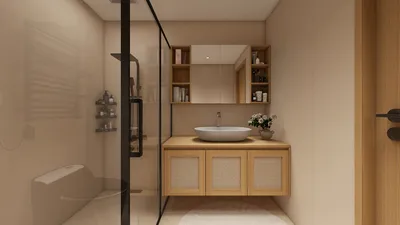


I once added a chandelier to a client's studio at their request, which they believed would elevate their ceiling's perception—spoiler alert: it didn't work out as expected. However, this experience highlighted the significant impact that the right lighting can have. Small rooms compel innovative thinking, where lighting choices can either enhance or diminish the space. In this article, I will present five lighting design inspirations that I have applied in actual projects, detailing effective strategies and potential pitfalls for maximizing impact in compact areas. To plan and visualize these ideas, I often utilize a room planner, such as Homestyler, to evaluate sightlines and fixture proportions.
1. Layering ambient, task, and accent lighting
Even in compact apartments, I enjoy incorporating layered lighting—small recessed downlights serve for general illumination, a slim pendant is perfect for the dining area, and LED strips can be placed under cabinets for functional lighting. This combination allows for a versatile atmosphere, making the space bright for cooking and warm for relaxation. However, the challenge often lies in wiring and budget constraints; choosing low-voltage LEDs and surface-mounted options can provide solutions without needing extensive rewiring.
save pin
2. Utilizing mirrors and reflective surfaces
Strategically placing mirrors alongside sconces or picture lights can significantly enhance the brightness and depth of a room. For example, in a narrow hallway, I positioned vertical mirrors opposite wall-mounted lights, which made the corridor feel much wider. It's important to be cautious of glare—adjust light angles and select matte finishes on surfaces nearby to minimize harsh reflections.
save pin
3. Multipurpose fixtures for versatile spaces
When designing a multifunctional studio that combined living, dining, and working areas within just 20 square meters, I opted for adjustable track lights and a swing-arm wall lamp near the bed. These adaptable fixtures help minimize clutter while allowing for light direction adjustments as the room’s purpose evolves. One downside is their industrial appearance; thus, selecting slim designs or matching them to the ceiling color can create a more integrated look.
save pin
4. Accent lighting to emphasize vertical storage
In small spaces where square footage is limited, utilizing vertical storage becomes essential—and your lighting choices should reflect this. I installed LED tape lighting on top shelves and within open cabinets to achieve a floating effect, enhancing storage as part of the room’s design. This technique is both energy-efficient and stylish, although careful planning for wiring inside cabinetry is necessary to ensure that doors and hinges can function properly.
save pin
5. Smart lighting for enhanced control
For small dwellings, I highly recommend smart bulbs and programmable scenes: use dim settings to create the illusion of more space or cooler tones for focused activities. One senior client appreciated having preset ‘morning’ and ‘dinner’ scenes, which simplified their routines and conserved energy. However, keep in mind that there can be a learning curve with these systems; having a physical dimmer or switch as a backup is a wise precaution.
save pin
Tips 1:
Note on budgeting: Although LEDs and smart control systems might come with higher initial costs, they can lead to significant savings over time. Before making purchases, utilize a 3D floor planner like Homestyler to visualize fixtures and assess their scale and shadows. If you're embarking on a comprehensive kitchen renovation, employing a kitchen layout planner is vital to align appliance placements and task lighting with workflow considerations.
save pin
FAQ
Q: What color temperature is optimal for small living areas?
A: I typically suggest a range of 2700K–3000K for a warm, inviting atmosphere, and 3000K–3500K for areas needing clearer task lighting; mixing temperatures is acceptable if the zones are clearly defined.
Q: How many lumens are recommended for a small kitchen?
A: Aim for approximately 300–400 lumens per square meter for general lighting and 500–700 lumens for task-focused areas like countertops.
Q: Are recessed lights a must-have in compact spaces?
A: Not necessarily—surface-mounted fixtures or track lighting can offer similar light distribution without requiring significant ceiling work and are often more affordable to install.
Q: Is it possible to mix smart bulbs from various brands?
A: Yes, but for the best experience with smooth scenes and voice control, it's advisable to stay within a single ecosystem or ensure compatibility with a common hub like Zigbee or a major smart home platform.
Q: How can I prevent glare from pendant lights in low-ceiling rooms?
A: Opt for domed or diffused shades, select fixtures that feature uplight components, and position pendants over tables instead of walkways to mitigate glare.
Q: Is under-cabinet lighting worth the investment?
A: Definitely—this type of lighting enhances safety and functionality in kitchens. Low-profile LED strips are energy-efficient options that can also be dimmed easily.
Q: Where can I find trustworthy design case studies regarding lighting layouts?
A: Reliable visualization tools and case galleries are great resources; for practical examples of layouts, explore professional portfolios and manufacturer guides.
Q: What standards should I follow for brightness and safety in my lighting designs?
A: It’s advisable to consult illumination guidelines from the Illuminating Engineering Society (IES) for detailed recommendations on lumen levels and mounting techniques (source: IES Lighting Handbook).
save pin
Discover Homestyler, the ultimate online home design platform! With its user-friendly design tool, stunning 3D renderings, and a wealth of DIY video tutorials, you can easily create and visualize your dream spaces. Whether you're a beginner or a seasoned designer, Homestyler inspires creativity and transforms ideas into reality.
지금 무료로 디자인하세요
































