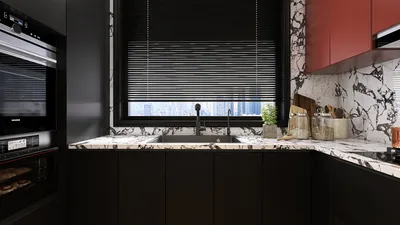


A client once tasked me with transforming a shoebox-sized apartment into a chic boutique hotel atmosphere, all while working within a budget of just $200 and utilizing only LED strips. Amused yet intrigued, I accepted the challenge. Designing for small spaces necessitates a certain ingenuity: a humble light strip can serve multiple purposes, from becoming an artwork to setting the mood and offering guidance after dark. In this article, I'll reveal five practical LED decoration lighting ideas that I have successfully employed in various projects, complete with tips and considerations.
1. Cove and Cove-Like LED Strips
Employing hidden cove lighting with flexible LED strips instantly transforms a room by softening its ambiance and creating an illusion of height. I implemented this strategy in a cozy living room, where the warm, indirect light produced a tranquil and expansive feel. The benefit of this setup is its low glare and superb ambiance; however, achieving the cleanest look requires precise channels or profiles to conceal the strip gracefully.
2. Accent Lighting for Open Shelving
Adding warm LED tape under shelving units helps to illuminate displayed items and also doubles as task lighting, particularly useful in compact kitchens. During a remodel, I incorporated slim-profile LEDs beneath floating shelves, which transformed clutter into beautifully curated displays. The advantage here is that it enhances aesthetics and functionality, while careful planning is essential to avoid unsightly cords when wiring.
3. Color-Change LEDs for Zoned Mood Control
RGB or tunable white LEDs allow a studio apartment to mimic separate rooms—bright daylight for daytime activities, warm amber for evening relaxation, and vibrant colors for entertaining guests. I often suggest smart controllers to clients as a means to save their preferred scenes. The primary advantage is versatility, although it is important to note that the quality of color temperature can vary, so opting for reliable diodes is crucial.
4. Integrated LED Panels for Minimalist Style
Sleek LED panels installed flush with the ceiling or wall contribute to a clean, modern aesthetic perfect for minimalist environments. I used a softly diffused panel in a small bedroom to provide even lighting without bulky fixtures compromising the space. The benefit is minimal visual clutter, but changing panels can be slightly more challenging compared to swapping out a bulb.
5. LED Accent Lines for Pathways and Stairs
In compact apartments, thin LED lines along staircases or at the base of cabinetry enhance safety while adding a designer touch. For a client who often hosted guests overnight, I installed floor-level LED strips, which provided gentle illumination at night that everyone appreciated. This setup is both practical and stylish, though it may collect dust and needs careful sealing when placed near floors.
Tips:
When it comes to practical advice, always prioritize Color Rendering Index (CRI) over non-essential features in spaces where you apply makeup or prepare food. Think about incorporating dimmable drivers for mood control, and whenever uncertain, it’s wise to test a strip sample in your own spaces before making a commitment. For precise layout planning and to visualize brightness, consider using a tool like Homestyler during the initial concept phases.
FAQ
Q1: What is the best LED color temperature for small living rooms?
A1: Generally, I advocate for a color temperature range between 2700K and 3000K for cozy living rooms. This warmer tone creates an inviting atmosphere that makes smaller areas feel less sterile.
Q2: How much LED strip length do I need for under-shelf lighting?
A2: Measure the lengths of your shelves and add an extra 10% for connectors; most small kitchen applications typically fit within a single 2-5 meter reel, but be sure to account for corners and power outlet locations.
Q3: Are LED strips safe for use in bathrooms?
A3: Utilize IP65-rated strips or higher in moisture-sensitive areas, and ensure that power supplies are kept out of wet zones. Proper sealing and compliant drivers are crucial for safety.
Q4: Can smart LED systems help save on energy costs?
A4: Absolutely—LED systems consume significantly less energy compared to traditional incandescent bulbs, and utilizing smart controls for scheduling and dimming can further decrease energy usage; however, standby power for controllers might add a small amount to overall consumption.
Q5: How can I conceal wiring for shelf and cove LEDs?
A5: To hide wires, tuck them inside shelving channels, behind moldings, or run them through discreetly drilled holes. Planning the installation carefully will ensure a seamless look.
Q6: Where can I visualize my LED layout in 3D before making a purchase?
A6: I frequently use Homestyler to create 3D renderings of proposed lighting configurations to assess reflections and brightness before finalizing any orders.
Q7: Do LED panels experience flickering, and how can I minimize this issue?
A7: Flickering is often a result of subpar drivers or incompatible dimmers. Opting for high-quality drivers and dimmers tailored for LED compatibility can help prevent such flickering issues.
Q8: Are there recognized standards or resources for LED lighting safety?
A8: Yes—the Illuminating Engineering Society (IES) offers comprehensive resources on lighting design and safety standards. Consult IES documents for thorough safety criteria (https://www.ies.org).
Discover your design potential with Homestyler! This user-friendly online platform offers an intuitive design tool, stunning 3D renderings, and a wealth of inspiring design projects. Plus, you'll find helpful DIY video tutorials to guide you every step of the way. Transform your space effortlessly!
Design Now for FREE
































