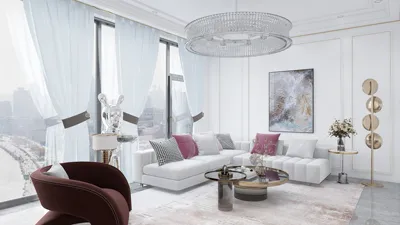


In one of my recent projects, a client had a request for a built-in pizza oven, a breakfast bar, and a folding dining table, all within a 6-foot-wide galley kitchen. I gladly accepted the challenge and soon found myself thinking like a magician. Designing small kitchens encourages a puzzle-like approach, which I truly enjoy.
In this article, I'll present five innovative kitchen furniture ideas I have implemented in my projects, discussing their effectiveness and potential pitfalls. It's essential to visualize your layout in 3D before making any commitments — I often initiate the design process there to avoid unexpected surprises. These concepts are designed to maximize functionality and aesthetics in compact spaces.
Slimline storage solutions
I am particularly fond of tall, skinny cabinets that fit neatly into awkward spaces. These storage towers can hold spices, trays, and baking sheets without taking up additional floor space. The benefit lies in the impressive vertical storage they provide and their sleek appearance; however, accessing deeper items can be challenging. Incorporating pull-out shelves or a lazy Susan can significantly enhance usability.
save pin
Foldable prep and dining solutions
Drop-leaf counters or wall-mounted folding tables offer additional prep space when necessary and can be tucked away when not in use. I designed one of these setups in a studio kitchen for a client who enjoyed hosting small dinners. They are affordable and versatile, but it's crucial to ensure that hinges are sturdy and that placement is carefully considered to avoid blocking cabinet doors.
save pin
Integrated seating with built-in storage
One of my go-to strategies is using banquette seating that includes lift-up storage. This design creates an inviting dining nook while discreetly hiding appliances or seasonal kitchenware underneath. I always recommend testing cabinet configurations early to ensure alignment with appliance doors. However, be cautious with sizing, as inadequate dimensions can lead to limited legroom. Mocking up dimensions with cardboard before construction can be very helpful.
save pin
Combining open shelves with two-tone cabinets
Incorporating open shelves can help maintain an airy feel in small kitchens while allowing you to showcase everyday items. By pairing darker base cabinets with lighter upper ones, you can visually lower the ceiling and create depth in the space. It’s worth noting that while open shelves can quickly display dust and clutter, they excel at displaying beautiful dishware and keeping frequently used items easily accessible.
save pin
Modular islands and smart appliance integration
When there is some room to spare, utilizing a small modular island on casters can enhance your prep space, storage options, and occasionally provide additional seating. I personally enjoy islands that can be conveniently tucked away when not in use. Additionally, integrating smart, compact appliances, like under-counter ovens and drawer dishwashers, helps maintain a clean countertop. For clients eager to explore quick concept iterations, I have dabbled with AI design tools, such as Homestyler, which offer dynamic variations and support in layout refinement. Although there is a bit of a learning curve with new technology, the efficiency it provides in the early design stages is invaluable.
save pin
Frequently Asked Questions
Q1: What types of furniture are ideal for small kitchens?
A: The best options include slim vertical cabinets, fold-down tables, and modular islands, as they emphasize vertical storage and adaptable surfaces, which are essential in compact designs.
Q2: How should I choose materials for kitchen furniture?
A: Select robust, easy-to-clean materials for countertops and cabinet fronts in busy kitchens. Options like laminate, engineered stone, and well-sealed wood veneers can effectively balance cost and durability.
Q3: Is it possible to incorporate an island in a small kitchen?
A: Yes, if there is sufficient circulation space — you should aim for a minimum of 36 inches around the island to facilitate comfortable movement. Consider alternatives like a rolling island or a narrow peninsula for maximizing space.
Q4: How much storage do I really require?
A: Start by cataloging your belongings: cookware, small appliances, and pantry items. Designers typically plan cabinet volume based on this checklist; performing a simple purge before the design process can save both money and space.
Q5: Are custom cabinets worth the investment?
A: Custom cabinets can optimize awkward spaces and are tailored for specific functions, albeit at a higher price. For many budgets, semi-custom or modular solutions strike a great balance.
Q6: How can I maintain a tidy open-shelf appearance?
A: To keep your open shelves orderly, utilize uniform containers, organize items by color or function, and restrict the selection to daily-use items. Rotating decorative pieces seasonally can update the look without introducing clutter.
Q7: What layout works best for small kitchens?
A: Galley and L-shaped layouts are particularly effective in small kitchens, as they reduce wasted space while maintaining a close work triangle. For specific measurements, the National Kitchen & Bath Association (NKBA) offers comprehensive guidelines that can be quite useful (https://www.nkba.org).
Q8: How should I budget for refreshing kitchen furniture?
A: Focus on work surfaces and storage solutions first, followed by finishes. Begin with a clear plan and mockups; even small modifications like new cabinet doors or enhanced organizers can create a vastly improved aesthetic at a fraction of the cost of a full renovation.
Discover the joy of home design with Homestyler! This user-friendly platform offers an intuitive online design tool, stunning 3D renderings, a plethora of design projects, and helpful DIY video tutorials. Bring your creative visions to life effortlessly, whether you're a novice or a seasoned designer!
Design Now for FREE
































