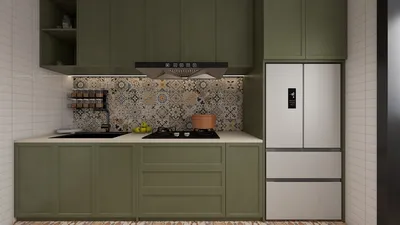


One of the most amusing requests I've ever received from a client came from a couple who wanted a kitchen spacious enough for their golden retriever to enjoy its own ‘breakfast nook’. We ended up designing a cozy bench specifically for the dog, which also became a delightful space for people. This experience taught me that kitchen expansions are not solely about adding square footage; they’re also about enhancing character. In this piece, I’ll share 10 innovative kitchen extension ideas that I have successfully implemented, ideal for making even smaller homes feel more expansive with the help of tools like Homestyler.
1. Embrace the Outdoors
Incorporating bifold or sliding glass doors offers an immediate connection from your kitchen to the garden, creating a permanent vacation vibe within your cooking area. One couple I assisted gained abundant sunlight and a year-round barbecue atmosphere. Utilizing a room planner like Homestyler can help visualize this connection effectively before starting construction.
2. Transforming Side Returns
For those living in terraced homes, a side return extension can convert a narrow, underutilized alley into prime kitchen space. While drainage can pose a challenge, resolving it allows you to double your counter space without encroaching on your garden.
3. Dramatic Skylights
Installing skylights in your extension can instantly make the space feel much larger. I've witnessed gloomy kitchens come to life with the addition of a few strategically placed rooftops. A budgeting tip: fixed skylights tend to be less expensive than operating ones yet provide significant results.
4. Islands as Room Dividers
In open-plan extensions, a large island serves as both a preparation area and a casual dining space. Incorporating hidden storage facing the living area can help tidy up board games or cookbooks, maintaining a clean environment.
5. Pocket Doors for Concealed Areas
Sliding or pocket doors can be utilized to separate messy preparation zones from formal dining when hosting guests. This approach works especially well when combined with a well-planned free floor plan creator, aiding in achieving smooth traffic flow.
6. L-Shaped Benches
In compact areas, built-in benches wrapping around a dining table optimize space and establish a cozy breakfast nook. By changing cushions with the seasons, you can achieve a refreshing style shift.
7. Two-Tone Cabinet Design
Introducing a mix of colors for upper and lower cabinets instantly adds a professional touch to any kitchen, instead of simply appearing as an extension. This method effectively highlights a new cabinetry segment without emphasizing it as an add-on.
8. Consistent Flooring
Matching the flooring from your existing kitchen throughout the extension creates a seamless look. Engineered wood or large tiles can be very effective. When I applied this in a 1950s home, the owners were amazed to see where the old floor transitioned into the new one.
9. Concealed Appliance Spaces
Hiding appliances like ovens and microwaves behind sleek cabinetry generates a serene and organized area. I once created a concealed pantry in this manner, which the owners affectionately called their ‘Narnia cupboard’. To determine optimal placement, using a kitchen layout planner such as Homestyler is indispensable.
10. Expanding from the Utility Room
If your utility room is oversized, integrating a portion of it into your kitchen might be a more cost-effective solution than a full extension. This way, you gain additional usable space without the complexity of securing planning permissions—just remember to consider ventilation and plumbing.
FAQ
1. What is the cost-effective strategy for extending a kitchen?
Converting unused areas, like a section of your utility room, is often the most economical option as it bypasses expensive foundational work.
2. What's the estimated cost of a small kitchen extension?
In the UK, a small extension typically costs between £20,000 and £30,000, dependent on materials and finishes (as reported by the Royal Institute of British Architects).
3. Is planning permission necessary for a kitchen extension?
Most single-story rear extensions fall under permitted development, but it’s always wise to verify local regulations prior to commencement.
4. What is the timeframe for completing a kitchen extension?
Expect a timeline of 3–6 months from design to completion, factoring in complexity and weather-related delays.
5. How can I ensure a natural flow in my kitchen extension?
Utilizing consistent materials, colors, and flooring between the old and new sections will help maintain a visual connection.
6. Can I remain at home during a kitchen extension?
Yes, but it can be quite messy. Set up a temporary kitchen in another part of your home and be prepared for noise and dust.
7. What type of lighting is most effective in an extended kitchen?
Combining task, ambient, and accent lighting guarantees both functionality and atmosphere, with skylights being excellent for daytime illumination.
8. How can I devise a layout for my kitchen extension?
Digital solutions like the kitchen layout planner provided by Homestyler can facilitate testing of various design ideas before you commit to the build.
Homestyler is your go-to online home design platform, perfect for both novices and seasoned decorators. With its easy-to-use design tool, stunning 3D renderings, and a wealth of DIY video tutorials, you can effortlessly create and visualize your dream spaces. Dive into your design adventure today!
Design jetzt kostenlos
































