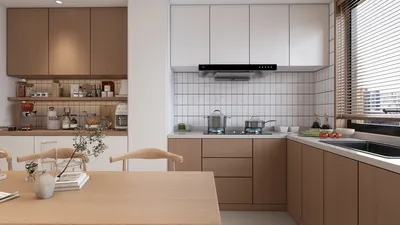


I once had a client who insisted on keeping a jar of honey on the countertop for easy access—within two nights, we were swarmed by ants as if they were part of a mini black parade. This minor design oversight highlighted the necessity of aligning aesthetics with pest prevention, particularly in compact kitchens where every square inch invites uninvited guests. Designing in small spaces requires clever solutions, and I’m excited to share five kitchen design ideas that effectively keep pests at bay while enhancing the visual appeal of the room, utilizing tools like Homestyler for perfect execution.
1. Use raised cabinets for storage solutions
I recommended incorporating shallow raised cabinets in a studio apartment plagued by roaches. Elevating lower cabinets a few inches from the ground not only creates a visible and cleanable base but also deters crawling pests. This approach makes floor maintenance simpler and offers an open, airy aesthetic. However, you must ensure that toe-kick details conceal gaps to prevent crumbs from accumulating underneath the cabinets.
save pin
2. Implement hard-surface backsplashes with integrated splatter guards
Soft, porous materials tend to trap food particles that attract pesky insects. For one client's kitchen, I replaced textured tiles with a seamless glass backsplash, complementing it with a slim integrated splatter guard behind the stove. This choice not only promotes hygiene and makes cleaning a breeze but could show streaks—therefore, I recommend keeping a microfiber squeegee in the drawer for quick touch-ups.
save pin
3. Choose sealed, pull-out pantry systems
While open shelves can add charm, they often become bug magnets when dry goods are stored. My preferred solution is a sealed pull-out pantry featuring securely fitting bins. This method concentrates storage and lifts items off the floor, significantly reducing pest access and enhancing visibility of your inventory. Although it comes at a higher cost than standard shelving, the benefits are considerable.
save pin
4. Hide trash bins with ventilated, sealed compartments
An overflowing trash bin can serve as an open invitation for pests. In designing a kitchen for a couple passionate about cooking, I created a ventilated pull-out trash cabinet with a top-sealed lid. This innovative cabinet not only conceals odors but also keeps flies and tiny black bugs at bay. Regular cleaning is necessary, and the ventilation system should have a simple charcoal filter replaced every few months.
save pin
5. Strategize lighting and finishes to keep nocturnal pests away
Lighting can attract a variety of insects. In a narrow galley kitchen, I installed warm-toned task lighting paired with matte black finishes for the appliances to minimize attraction and obscure minor blemishes. It’s a subtle yet effective tactic, best used alongside other measures; some clients worry that matte finishes reflect grease differently, so I balance this with easy-to-clean coatings.
save pin
Tips:
To visualize layouts and explore how these solutions fit into your kitchen, I frequently rely on a 3D floor planner like Homestyler to simulate cabinet heights and pull-out systems before making final decisions. This quick mock-up has previously saved me from costly redesigns by identifying awkward toe-kick gaps early on.
save pin
FAQ
Q: What are the main attractors for small black bugs in kitchens?
A: Food crumbs, stagnant water, and accessible garbage are the primary culprits. Keeping surfaces clean and storing dry goods in well-sealed containers can significantly reduce their appeal.
Q: Do matte finishes adequately conceal bugs compared to glossy ones?
A: While matte finishes can obscure minor dust and marks, they don’t deter bugs. Pairing finish options with sealed storage solutions and cleanliness yields the best results.
Q: How frequently should I clean behind and beneath my cabinets?
A: It is advisable to clean at least quarterly; in warmer climates or if past issues have occurred, checking monthly is sensible to catch signs early.
Q: Will installing a pull-out pantry truly eradicate pantry pests?
A: It minimizes access and exposure, particularly if you utilize sealed bins; maintaining proper food rotation and occasionally freezing new dry goods is still recommended.
Q: Is hiring professional pest control necessary after redesigning my kitchen?
A: If an infestation exists, it's imperative to call in professionals first—while redesigning can prevent future issues, it won’t eliminate an established pest colony.
Q: What sealing techniques are the most effective for cabinet gaps?
A: Utilizing high-quality silicone caulk for small gaps and custom trim for larger junctions proves effective; ensure that the materials are suitable for kitchen use.
Q: Are there reliable guidelines on food storage to avert pests?
A: Absolutely—resources like the CDC provide insights into household pest prevention and safe food storage practices (refer to CDC: Household Pests). This is an excellent reference for effective prevention strategies.
Q: Do changes in lighting actually decrease insect presence?
A: Utilizing warmer color temperatures and shielding exterior lighting does help reduce attraction; however, interior strategies like sealed storage systems have a more significant impact.
save pin
Looking to transform your home effortlessly? Homestyler is your go-to online design platform! With its user-friendly design tool, stunning 3D renderings, and a treasure trove of DIY video tutorials, you can easily create and visualize your dream space. Start designing today!
Desain sekarang Gratis
































