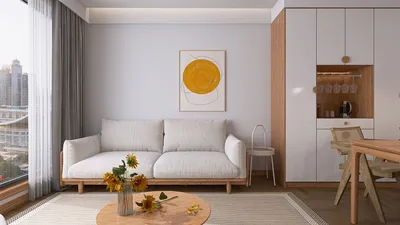


In recent times, there has been a noticeable trend among designers focusing on smaller, uniquely shaped areas. Having redesigned over a dozen narrow and rectangular living rooms, I can attest that these layouts often inspire remarkable creative solutions. This article will present 10 innovative ideas for rectangular living rooms, merging personal insights with effective design techniques to maximize every inch for both functionality and aesthetic appeal, including ways to utilize tools like Homestyler to visualize these transformations.
1. Zoning with Rugs
Personal Insight: I once revamped a client’s elongated living space by strategically placing two distinct rugs to establish separate conversation areas, which allowed for greater depth and made the room feel more layered, rather than merely a passageway.
Benefits: Using rugs to delineate areas introduces structure and intimacy essential for rectangular layouts. This technique visually reduces zones without the need for erecting walls.
Drawbacks: If not chosen wisely in terms of scale, mismatched rug sizes can inadvertently enhance the awkwardness of the space.
Pro Tip: Maintain a harmonious color palette across rugs to cohesively unify multiple areas. For an example of similar thoughtful zoning techniques, consider minimalist kitchen designs that successfully employ this strategy.
2. Floating Furniture
Insight: In my apartment, repositioning the sofa away from the wall created a natural walkway and achieved a balanced visual flow. This minor adjustment fundamentally changed the room's ambiance.
Advantages: Floating furniture can enhance pathways and effectively segment a rectangular room. Reports from Houzz (2023) indicate that open pathways contribute significantly to both functionality and visual attraction.
Limitations: This arrangement requires more floor space, making it potentially unsuitable for extremely narrow areas, potentially necessitating the downsizing of larger pieces.
3. Creating Symmetry for Calmness
My Experience: A symmetrical layout, such as placing matching chairs across from one another, instantly evokes a sense of calm and order in elongated rooms. I have successfully applied this in formal seating arrangements where balance plays a crucial role.
Strengths: Symmetry significantly enhances long living rooms by calming the visual experience and establishing distinct focal points around features like fireplaces or televisions.
Weaknesses: It can impart a formal atmosphere; if a relaxed vibe is desired, consider introducing varied textures to break the uniformity.
4. Implementing Built-In Storage Walls
From my projects: In one instance, we constructed a full wall unit with both open shelving and closed cabinets, which optimized vertical storage and emerged as a striking design feature.
Advantages: Built-ins utilize awkward wall segments effectively while reducing the need for additional furnishings. They're particularly beneficial in rectangular layouts where floor space is at a premium.
Disadvantages: Since they are permanent installations, careful consideration of the design and future requirements is necessary.
Cost Note: Custom-built elements typically account for 15–20% of the overall renovation budget.
5. Layered Lighting Techniques
In my experience: In a dim, lengthy space, adding wall sconces halfway down the walls alleviated a ‘tunnel’ effect, offering visual breathing room.
Advantages: A combination of ambient, task, and accent lighting combats visual monotony while emphasizing different zones throughout the rectangular living area.
Drawbacks: More fixtures entail additional electrical work; it’s crucial to plan wiring accordingly.
6. Angled Furniture Arrangements
Personal Experience: I once placed an armchair at an angle towards a corner window instead of aligning it straight with the sofa, creating a more dynamic and inviting space.
Advantages: Angled arrangements disrupt the linear feel of long spaces, fostering a cozy nook for conversations.
Drawbacks: This can occupy additional space in tighter rooms, requiring mindful attention to traffic flow.
Example: The same principle applies beautifully in smaller kitchens; L-shaped designs can create more functional counter space while maintaining an open feel.
7. Statement Art on the Short Wall
I enjoy positioning striking artwork on the short wall at the end of a rectangular living room; it directs the gaze forward while balancing overall proportions.
Advantages: This approach establishes a visual anchor, effectively shortening the room's perceived dimensions.
Disadvantages: Oversized artwork could overpower smaller spaces if not carefully sized to fit.
8. Multi-Functional Furniture Options
In my sister's compact living room, we incorporated a storage ottoman that functions as extra seating — a smart solution that saves space and minimizes clutter.
Benefits: Ideal for small rectangular rooms where every element must serve multiple purposes — consider items like sofa beds, nesting tables, or expandable dining sets.
Drawbacks: Some multifunctional pieces might compromise comfort or aesthetics for the sake of versatility.
9. Vertical Design Accents
Using tall bookshelves and floor-to-ceiling drapes in a low-ceiling rectangular room I redesigned last year effectively drew the eye upward.
Advantages: Vertical elements enhance perceived height, balancing the long horizontal dimensions of the room.
Disadvantages: While they add interest, tall features can dominate the space; ensure their style aligns cohesively with the overall design theme.
Style Note: Similar height techniques can also be effective in bathrooms, where wooden accents add warmth to compact areas.
10. Color Blocking Techniques
In my experience: Painting the far wall a darker hue visually shortens the length, paired with lighter walls on the sides for a harmonious effect.
Benefits: Astute use of paint can influence perceived proportions without structural alterations, making it a cost-effective and rapid solution.
Drawbacks: Bold coloring may restrict future decorating choices; repainting can introduce some inconvenience.
Conclusion
To me, a rectangular living room isn’t a limitation but a call to innovate. By employing zoning, mindful proportions, and multifunctional designs, you can curate a space that is warm, functional, and visually appealing. As noted in Architectural Digest, smaller or elongated settings often lead to the most creative solutions. Which of these inspiring ideas for rectangular living areas are you eager to try using tools like Homestyler for visualization?
FAQ
1. What innovative living room ideas are best for rectangular spaces?
Utilize zoning rugs, balanced arrangements, and layered lighting to effectively divide length while maintaining functionality.
2. How can I visually widen a rectangular living room?
Implement horizontal stripes, spacious furniture layouts, and mirrors to enhance the perceived width.
3. Is symmetry the best choice in a rectangular living space?
Not necessarily — while symmetry offers tranquility, slight variations can create a more relaxed and lived-in environment.
4. What is the ideal way to arrange furniture in a narrow rectangular living room?
Float furniture away from walls, ensuring clear pathways; consider multifunctional items for adaptability.
5. Can color choices genuinely alter room proportions?
Absolutely; darker tones on end walls accompanied by lighter side walls can visually modify the room's size perception.
6. What lighting setups work best in rectangular living rooms?
Layered lighting including mid-room sconces or table lamps is effective in preventing tunnel-like appearances (source: IES Lighting Handbook).
7. Is built-in storage a wise investment for narrow living spaces?
Certainly, built-ins save valuable floor space and help maintain a cohesive look; just ensure their depth fits the overall room design.
8. Do rugs contribute to a smaller appearance in a rectangular living room?
Not if chosen appropriately; overlapping rugs can define various functional areas within a lengthy space.
Discover the world of home design with Homestyler! This user-friendly platform offers an intuitive online design tool, stunning 3D renderings, an array of inspiring design projects, and helpful DIY video tutorials. Transform your space effortlessly and unleash your creativity today!
Zaprojektuj teraz za darmo
































