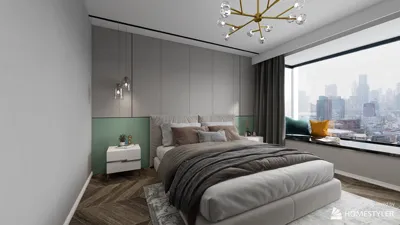


In recent times, the trend of creating multi-functional spaces has surged in popularity within the realm of interior design. Having worked on numerous small apartments, I can attest that the combination of living room and bedroom presents a unique opportunity for creativity. Small living areas compel us to innovate, and in this article, I will present 10 inspiring ideas for blending living room and bedroom spaces, drawing from both my own design experiences and insights validated by experts.
1. Flexible Partition Screens
My Perspective: I enjoy incorporating foldable wooden or metal screens to separate living rooms from bedrooms. In a recent project, a simple slatted wood divider created a cozy atmosphere without obstructing sunlight.
Advantages: A flexible and non-permanent solution that allows airflow and natural light; suitable for most small apartment layouts, as noted by Apartment Therapy.
Disadvantages: It will not fully block noise and may need regular cleaning between slats.
Tip: Opt for a light-toned wood frame to enhance the airy ambiance—similar to the minimalist living room storage designs I have previously implemented.
2. Loft Bed with Workspace Below
My Opinion: During my time in a 25 m² studio, the loft bed was a game-changer. Having a desk underneath allowed the rest of the room for a sofa and a bookshelf.
Benefits: Optimizes vertical space; clearly defines the sleeping area; IKEA's research on small spaces indicates that it can increase functional areas by up to 30%.
Drawbacks: Requires sufficient ceiling height; the climbing process may not be suitable for everyone.
3. Glass Sliding Panels
My View: Frosted sliding glass panels provide a dual-purpose room. A client desired privacy while still enjoying morning light—this solution met both needs brilliantly.
Pros: Allows light to pass while maintaining privacy; the modern look complements various styles; easy to maintain.
Cons: Typically more expensive than curtains; precise installation is crucial.
4. Murphy Bed with Integrated Sofa
My Experience: I renovated a compact condo where a Murphy bed was cleverly designed to fold over a small sofa—guests were amazed at how seamlessly it integrated.
Benefits: Saves substantial space; keeps the living area open throughout the day; aligns well with modular furniture design principles.
Drawbacks: Higher initial investment; requires occasional maintenance of the folding mechanism.
5. Elevated Platform Bed with Storage
My Insight: One of my most exciting projects featured a raised platform with drawers—eliminating the need for a separate dresser.
Advantages: Provides hidden storage; visually distinguishes the bedroom area; creates a cozy atmosphere, especially in minimalist styles.
Disadvantages: May make ceilings feel lower; a fixed position limits adaptability.
6. Fabric Room Divider
My Experience: In a bohemian-style transformation, we implemented heavy linen curtains to craft a whimsical bedroom nook. It achieved a casual yet intimate vibe.
Pros: Cost-effective; easily changeable; soft textures add warmth to the living space.
Cons: Limited sound isolation; fabrics may require frequent cleaning.
Case Study: This method was perfect for a client who sought the option of an open or closed space—comparable to layouts seen with Homestyler designs in small apartments.
7. Modular Sofa that Converts to Bed
My Approach: For a busy young professional, I sourced a stylish modular sofa bed—it appeared elegant yet transformed quickly into a queen-size sleeper.
Advantages: Multi-purpose, ideal for hosting friends; modern designs provide supportive comfort for nightly use.
Drawbacks: Potentially wears out quicker with frequent use; may be more cumbersome to relocate.
8. Bookshelf Divider
My Experience: In a Scandinavian-themed home, we utilized an open bookshelf to delineate the space—featuring books, plants, and decor added character to both sides.
Pros: Combines style with storage; adaptable; allows partial visibility between zones.
Cons: Risks feeling cluttered if overloaded; may need to be secured for stability.
Tip: Coordinate the shelf color with your flooring for a seamless aesthetic, similar to the warmth derived from kitchen wood elements.
9. Daybed with Storage Compartments
My Insight: For one tenant, we chose a chic daybed featuring large drawers beneath—ideal for bedding and seasonal clothing storage.
Pros: Offers comfort for sitting or sleeping; includes integrated storage; easy to style with decorative pillows.
Cons: May be too bulky for narrow spaces; usually accommodates only one person.
10. Color-Zoned Areas
My Experience: I painted the bedroom side a soothing sage green while keeping the living area white—it instantly imparted a more organized feel to the room.
Pros: Inexpensive; visually segments areas without physical barriers; limitless personalization options.
Cons: May require repainting when styles evolve; color choices influence perceptions of space.
Conclusion
Creating a living room and bedroom combination is about intelligent design rather than compromise. According to Houzz, well-thought-out small spaces can be just as cozy and stylish as their larger counterparts. Which of these 10 living room and bedroom ideas do you intend to explore with Homestyler first?
FAQ
Q1: What is the optimal arrangement for a living room bedroom in a compact studio?
A1: A design that maximizes vertical space—like a loft or Murphy bed—is typically most effective, as it opens the floor for additional uses.
Q2: Can I achieve a stylish living room bedroom without significant expenses?
A2: Absolutely; features such as curtain dividers, distinctive rugs, and color zoning can redefine a space economically.
Q3: How can I separate a living room from a bedroom without erecting a wall?
A3: Employ bookshelves, folding screens, or curtains to delineate zones while ensuring light flows through the area.
Q4: Are Murphy beds suitable for everyday use?
A4: Contemporary Murphy beds are designed with comfort in mind, often featuring genuine mattresses—Consumer Reports affirms that many provide support akin to traditional beds.
Q5: How can lighting enhance my combined living and bedroom space?
A5: Strategic layering of ambient, task, and accent lighting cultivates functional and cozy zones within a single room.
Q6: Which colors can make a small living room bedroom appear more spacious?
A6: Light, neutral tones like off-white, cream, or soft gray can visually expand space; mirrors further enhance this effect.
Q7: Is an open-plan layout preferable for small apartments?
A7: Open layouts often create a sense of spaciousness and brightness, yet incorporating elements like partial dividers can maintain intimacy.
Q8: What strategies can I use to add storage to a combined living room bedroom?
A8: Elevated platform beds, storage ottomans, and multi-functional furniture can effectively minimize clutter—strategies I frequently apply in 3D design planning with Homestyler.
Homestyler's roots trace back to Autodesk, the global leader in design and engineering software. That heritage lives on in every feature we build. Today, with a community of more than 18 million users worldwide, Homestyler continues to make professional-quality interior design accessible to everyone — from first-time decorators to seasoned architects.
Looking to transform your home? Homestyler is your go-to online design platform! With an intuitive design tool, stunning 3D renderings, inspiring design projects, and helpful DIY video tutorials, you can easily create your dream space—no experience needed! Start designing today!
Design Now for FREE
































