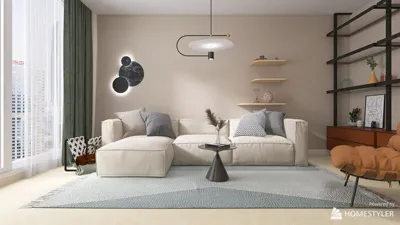


A memorable experience I had involved promising a client a floor-to-floor lift designed to fit within a 0.9m-wide alcove, only to find my measurements were off by 10 cm. We shared a good laugh, scrapped the original plans, and came up with a more streamlined solution that still exuded luxury. This taught me that even limited spaces can ignite innovative ideas, underscoring the significance of intelligent room layouts when integrating a home elevator. Clever room designs truly made a difference as we redesigned the circulation and service areas.
1. Compact Pneumatic Lift for Narrow Spaces
Pneumatic vacuum lifts are my preferred option for retrofit projects due to their minimal structural alterations. They present a budget-friendly choice and have a sleek appearance, although they do have weight capacity limitations and often require a dedicated mechanical room for the pump. If you have a moderate budget, this offers a quick way to achieve vertical access without needing a complete shaft.
save pin
2. Modular Shaftless Elevator Kit
When clients seek a nearly permanent elevator while avoiding extensive construction, modular shaftless kits are an excellent choice. The modules bolt together and typically come with customizable pre-finished panels that can blend with your decor. Although precise site surveys and a licensed installer are necessary for the final connections, these kits save time on demolition and lengthy wait periods.
save pin
3. Platform Lift with Storage Functionality
For compact townhouses, utilizing a platform lift that can fit into a closet or under a staircase is a brilliant idea. I designed one that concealed behind sliding panels and could double as storage when not in use—ingenious yet requiring compliance with fire and egress regulations. I typically create editable floor plans to evaluate clearances and flow before finalizing any kits, and these detailed layouts helped us catch headroom issues early on.
save pin
4. Stair-Integrated Lift for Charm Across Levels
If replacing the stairs isn’t feasible, a stair-integrated platform or chair lift presents a cost-effective and DIY-friendly solution. It maintains the original charm and can be removed when necessary, which is appreciated by clients in historic homes. Expect custom fittings along with slightly increased maintenance compared to closed shaft units; be prepared with a reasonable maintenance budget.
save pin
5. Subtle In-Kitchen Lift for Enhanced Accessibility
When a client desired a seamless transition between a ground-floor apartment and a backyard kitchenette, we crafted a mini lift hidden in a pantry wall. This design preserved the kitchen workflow while enhancing accessibility without altering the overall aesthetic. However, ensuring proper ventilation and service access is critical, so coordination with installers early in the project can help avoid expensive retrofits. It harmonizes well with thoughtful kitchen workflow layouts, crucial for ensuring comfort in cooking spaces.
save pin
FAQ
Q1: Are DIY home elevator kits compliant with regulations?
I always advise clients to verify local building codes and secure permits—many jurisdictions permit kit installations if they comply with regulations and pass inspections. In some areas, licensed electricians and elevator mechanics may need to complete certain aspects of the installation, so be sure to factor in those professional costs for your DIY approach.
Q2: What is the typical cost of a DIY home elevator kit?
Basic kit prices can start anywhere from $8,000 to $15,000, while more advanced modular systems can be significantly more expensive. Always remember to account for installation costs, permits, electrical work, and potential shaft reinforcement to arrive at a realistic total expense.
Q3: What weight capacity should I consider?
Most residential kits typically accommodate weights between 500 to 750 lbs, but higher capacity options up to 1000 lbs are available. Select a capacity based on your expected usage—for instance, wheelchair users or those frequently moving heavy items will need a higher capacity and might require professional installation.
Q4: Is a dedicated machine room necessary?
Not always. Many contemporary kits are machine-room-less (MRL) or utilize remote pumps, while others necessitate a small mechanical closet. Your choice will influence space planning, noise levels, and maintenance access.
Q5: What safety standards must home elevators adhere to?
Home elevators need to comply with standards such as ASME A17.1/CSA B44, in addition to local amendments; it’s best to review the official coding guidelines for specifics. You can find detailed safety and design criteria at ASME.
Q6: Can I install a kit myself?
Some kits are designed to be DIY-friendly, yet my advice is to hire a licensed professional for critical aspects, including electrical setup, anchoring, and commissioning safety systems. Investing in expert assistance can save you time and ensure peace of mind.
Q7: What type of maintenance is required?
Routine inspections, lubrication, and functionality checks are standard; annual professional servicing is recommended to maintain warranty validity. Make sure to budget for regular inspection fees and potential parts to avoid unexpected costs.
Q8: How can I select the right kit for a small home?
Start by taking precise measurements and conducting a circulation study to determine the minimum footprint needed, then align the lift’s capacity and finishes with your lifestyle needs. I often use digital prototyping for layouts to ensure clearances and sightlines are adequate before committing to any kit.
save pin
Homestyler is your go-to online home design platform! With its user-friendly design tool, stunning 3D renderings, and a wealth of inspiring design projects and video tutorials, you'll effortlessly transform your space into a dream home. Perfect for both beginners and seasoned designers!
Design Now for FREE
































