

The lifestyle of the future is continually reducing distances while increasing choices, as modern households grapple with multi-generational requirements and escalating construction expenses. According to the latest Home Design Trends Survey by the AIA, there is a rising interest in adaptable layouts and accessory dwellings, where the concept of a house floor plan for two homes becomes essential. As we move forward, I find myself envisioning the frameworks of this impending era: a toolkit for spatial reasoning.
Mirror Courtyard Pair
Design Logic: Two identical structures are oriented towards a shared courtyard, balancing independence with familial closeness—designed with aging-in-place and flexible work in mind.
Flow: The layout flows from the entryway to the kitchen, leading to the living area and pivoting around the courtyard before culminating in the bedroom loop; this symmetric design promotes purposeful interactions.
Sightlines: The front-to-courtyard axes function like a layered interface; close-up views cater to daily activities, mid-range emphasizes social interactions, and distant perspectives ensure privacy.
Storage: Built-in perimeter units and dual mudroom storage stabilize seasonal items; the attic micro-archives are designated for infrequently used belongings.
Furniture Fit: 84" sofa modules clearly delineate circulation space; a 72" oval dining table minimizes collision points, while adjustable desks adapt to varying work-life balance requirements.
Verdict: In the next five years, mirrored configurations will enable two households to share resources, gardens, and caregiving responsibilities while maintaining separate identities.
save pin
Offset L-Grid Duo
Design Logic: The two L-shaped buildings interlock in a staggered pattern, creating sound buffers and maximizing solar efficiency—designed to accommodate future electric vehicle charging and micro-utility spaces.
Flow: An entryway leads through a flex studio, connecting to the kitchen hub, making a turn into the living area and finally to a private wing; these offsets behave like conditional statements in programming.
Sightlines: Diagonal perspectives provide insights into domestic life without intrusive oversight; windows are aligned for morning and evening routines, establishing an information rhythm.
Storage: Pantry columns, under-stair compartments, and outdoor equipment lockers ensure an organized environment, eliminating visual clutter in compact areas.
Furniture Fit: Corner sectionals secure the L-shape; 30" circulation spaces guarantee smooth movement; wall beds transform under-utilized spaces into functional areas.
Verdict: The staggered design accommodates fluctuating schedules, absorbing ambient sound, festive gatherings, and remote work, much like a resilient network protocol.
save pin
Shared Spine, Split Wings
Design Logic: A central service core (laundry, mechanical systems, storage) streamlines functionality, while the wings allow each household to maintain distinct routines—elegant and pragmatic.
Flow: A shared entry leads into the service core, branching into corridors that connect to living spaces and terraces; this straightforward sequence differentiates common areas from private ones.
Sightlines: The service spine maintains a subtle signal; wings enhance the visual hierarchy—from kitchen to garden and bedroom to sky—focusing attention where it is most needed.
Storage: The spine accommodates bulk storage and equipment libraries, while the wings provide drawers and closets for daily necessities, optimizing search efficiency and reducing cognitive burden.
Furniture Fit: Standardized 24" deep built-ins along the spine function as universal connectors; wings can house customized pieces tailored to the unique rituals of each household.
Verdict: This layout conserves space and energy, all while preserving individual identities—an approach I foresee becoming prevalent in multi-home configurations.
save pin
Final Takeaway
A house floor plan designed for two homes transcends mere duplication; it’s about creating interfaces that facilitate both independence and collaboration. Dual-dwelling designs—from mirrored courtyards to shared service areas—articulate future family dynamics into clear and resilient blueprints. Based on my observations, the most innovative two-home developments won’t be grander in size, but rather more purposeful, reflecting how subtle spatial choices are reshaping our living conditions. Tools like Homestyler can further assist in visualizing these innovative designs.


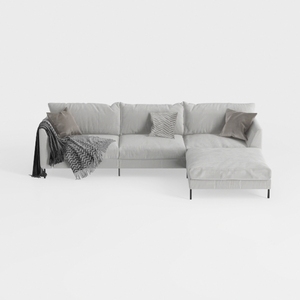
Minimalist Light Gray Fabric L Shape Sectional Sofa 3D Model

Minimalist Solid Walnut Wood Dining Table 3D Model
Discover Homestyler, the ultimate online home design platform! With its intuitive design tool, stunning 3D renderings, and a wealth of DIY video tutorials, you can easily transform your space and bring your creative visions to life—no experience needed!
立即免费设计
































