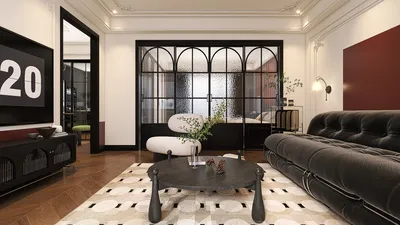


As an interior designer over the years, I've witnessed a remarkable transformation in garage conversions, evolving from mere practicality to breathtaking spaces. With the current trend favoring multifunctional and adaptable areas, transforming a garage into a living room has emerged as a brilliant solution to enhance your home. I always emphasize that small or unconventional spaces can ignite the greatest creativity. In this article, I will share ten innovative garage living room design ideas inspired by real projects I've managed and insights from reliable resources, including how to use Homestyler for planning these transformations.
1. Minimalist Layout for Clean Lines
In one garage project, I opted for a simple white-and-wood color scheme, creating clean and unobstructed pathways. This approach resulted in an airy space that felt almost double its size.
Advantages: A minimalist aesthetic conceals clutter, optimizes natural light, and can be budget-friendly. As highlighted in Houzz's 2023 trend report, minimalism continues to be among the top three preferred styles for compact conversions.
Disadvantages: Without incorporating softer textures or unique personal touches, the space can come across as too stark.
Suggestion: Introduce a textured rug and some greenery to avoid the "museum" effect, harmonizing perfectly with the minimalist storage in smaller living rooms.
2. Industrial Chic with Exposed Brick
I worked on a garage where we showcased the original brick wall, complemented by matte black fixtures and concrete flooring. The outcome felt both authentic and urban.
Advantages: Utilizes durable materials with low-maintenance surfaces, creating a unique charm that honors the structure’s history.
Disadvantages: This style may feel too raw for those who favor cozy, traditional environments; heating can also pose a challenge with concrete floors.
Advice: Think about adding radiant underfloor heating to counteract the industrial chill.
3. Large Windows for Natural Light
In one extensive garage project, I installed two expansive sliding glass doors, transforming a dim storage area into a radiant living space.
Advantages: Floods the area with natural light, enhances mood, and forges a strong connection to the outdoor environment, aligning with wellness-focused design trends.
Disadvantages: Custom windows can be costly; privacy concerns may necessitate sheer or layered curtains.
Case Study: Utilizing low-e glass can improve energy efficiency for large window installations.
4. Multifunctional Built-In Furniture
I enjoy crafting sofas that include hidden storage and wall units that serve as desks, particularly in garage spaces where every inch counts.
Advantages: Combines multiple functionalities without cluttering the space, ideal for small families or home offices.
Disadvantages: Built-ins require meticulous planning and aren’t easily altered later on.
Tip: Draft a furniture arrangement early on to coincide with electrical layouts.
5. Rustic Warmth with Wood Accents
In a coastal garage project, we incorporated reclaimed barn wood for the ceiling beams and shelves, leaving friends amazed that it once held tools.
Advantages: Wood introduces warmth and texture, absorbs sound, and fits both traditional and modern farmhouse aesthetics.
Disadvantages: Poorly treated wood may warp due to fluctuating moisture; regular maintenance is essential.
Tip: Engineered wood proves to be more stable than solid wood in garage conversions.
6. Bright Walls and Reflective Surfaces
A client requested their garage living room feel bright even on overcast days, so I used soft cream paint and several mirrored accents to enhance the light.
Advantages: Light tones and reflective features maximize brightness; mirrors can create the illusion of higher ceilings.
Disadvantages: High-gloss finishes can easily show smudges.
Tip: Limit mirrors to one or two thoughtfully chosen spots, paired with washable paint finishes.
This strategy works beautifully for small layouts that seek to maximize brightness.
7. Open-Plan Flow into Adjoining Rooms
I once partially removed a garage wall to integrate it with the kitchen, resulting in a larger, more sociable area perfect for a growing family.
Advantages: Promotes a sense of togetherness, increases daylight accessibility, and enhances the perception of space.
Disadvantages: Structural evaluations are necessary, potentially leading to higher costs for beams and permits.
Tip: Always consult a structural engineer before removing load-bearing walls.
8. Cozy Corner Fireplace
By adding an electric fireplace in a corner, I transformed a previously cold garage into the home’s warm centerpiece.
Advantages: Instantly enhances coziness, can provide targeted heating, and visually anchors the seating area.
Disadvantages: Not all garages are equipped with the necessary wiring; if not chosen carefully, the artificial flame designs may look unrealistic.
Tip: Opt for models featuring realistic flame technology to improve authenticity.
9. Bold Accent Wall
In one project, we introduced a deep navy accent wall behind the sofa, which added depth without darkening the space.
Advantages: A budget-friendly way to enhance style, clearly defines areas in open-plan layouts, and pairs wonderfully with layered lighting.
Disadvantages: Overuse of dark colors can make the space feel smaller.
Case Study: If you're hesitant about applying dark paint, consider testing peel-and-stick wallpaper first.
10. Smart Storage Solutions
I once designed a garage living room featuring floor-to-ceiling cabinets with pull-out drawers to keep toys and seasonal items neatly stored away.
Advantages: Minimizes visible clutter, simplifies cleaning, and can accommodate unusual wall heights.
Disadvantages: Custom cabinetry can be expensive, and flat-pack units might not fit atypical garage dimensions.
Tip: Explore modular storage systems for their flexibility — perfect for elegantly maximizing vertical space.
Summary
Transforming a garage into a living room is not about constraints — it’s about innovative design choices that utilize every square inch effectively. As highlighted by the American Institute of Architects, adapting existing spaces is one of the most sustainable approaches in contemporary design. Which of these ten garage living room ideas would you be eager to implement with tools like Homestyler to visualize your vision?
FAQ
1. What flooring options are ideal for a garage living room?
Both engineered wood and luxury vinyl plank options are durable, moisture-resistant, and provide warmth underfoot, making them excellent choices for garage conversions.
2. Will I need permits to convert my garage?
In most areas, yes — especially if you are implementing plumbing or altering structural elements. Always verify local building regulations prior to commencing any work.
3. How can I create a warm atmosphere in a garage living room?
Incorporating layers of textiles, using area rugs, warm lighting, and possibly a fireplace can enhance both the style and comfort of the space.
4. Is it possible to retain part of my garage for storage?
Absolutely, utilizing smart partitions or multifunctional furniture that conceals storage options can achieve this.
5. What is the expected cost for converting a garage into a living room?
Costs can fluctuate significantly based on location and project scope; typically, it can range from $10,000 to $40,000. According to HomeAdvisor, 2024's average U.S. costs are about $28,000.
6. Does converting a garage increase my home’s value?
In numerous markets, the answer is yes — particularly if it introduces functional living space without impacting parking options in high-demand regions.
7. How should I manage insulation in a garage conversion?
Enhancing wall and ceiling insulation, sealing the floor, and opting for insulated garage doors or replacements are vital steps.
8. Are open-plan garage living rooms currently in vogue?
Indeed, particularly in contemporary and compact homes. Removing barriers facilitates improved natural light and promotes social interaction. Discover additional open-plan layout concepts using Homestyler to design your ultimate space.
Homestyler's roots trace back to Autodesk, the global leader in design and engineering software. That heritage lives on in every feature we build. Today, with a community of more than 18 million users worldwide, Homestyler continues to make professional-quality interior design accessible to everyone — from first-time decorators to seasoned architects.
Homestyler is an ideal platform for anyone looking to elevate their home design experience. With its user-friendly online design tool, stunning 3D renderings, a wealth of design projects, and insightful video tutorials, you can effortlessly transform your vision into reality. Discover your style today!
Zaprojektuj teraz za darmo
































