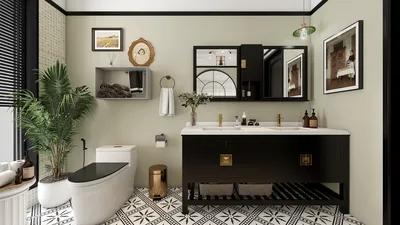


I once nearly placed a stove in a spot where a client's vehicle used to be parked — quite literally. They aimed to maintain one parking space while still creating a complete kitchen, and I almost mislocated the sink on the incorrect side of the garage door. This little episode highlighted how garage kitchen concepts require imaginative problem-solving; snug areas can inspire astonishing creativity. In this article, I will present five tangible inspirations I’ve successfully implemented in real projects, along with budget and construction advice — including insights on my favorite garage makeover that beautifully addressed a compact layout with flair.
1. Open-concept conversion featuring a sliding glass division
Transform the garage into a bright, communal kitchen by taking out the non-structural garage door and installing a sizable sliding glass partition. This design allows for natural light, visual connection to the outdoor area, and facilitates easy indoor-outdoor gatherings; however, this comes with the trade-off of increased glazing expenses and the necessity to ensure adequate insulation and security measures.
Tip: opt for slender frames and insulating glass to minimize heat loss, and think about installing a retractable insect screen for a more seamless summer cooking experience.
save pin
2. L-shaped kitchenette beneath a mezzanine loft
If your garage has ample height, consider constructing a compact mezzanine for storage or a cozy nook, while accommodating an L-shaped kitchen underneath. This approach keeps plumbing proximity compact (usually near the existing drainage) and provides vertical storage that most kitchens typically lack. I admire how this design delineates distinct spaces, but be sure to verify ceiling height regulations before you proceed with this idea.
save pin
3. Appliance garage paired with a vertical storage wall
When floor space is limited, stacking and concealing is key: tall cabinets, pull-out pantries, and a dedicated ‘appliance garage’ keep countertop clutter hidden while enhancing functionality. Once, I managed to integrate a full-sized oven and dishwasher into a 9-foot kitchen run by strategically planning storage around appliance dimensions and service areas.
A practical consideration: custom cabinetry can increase costs, so it might be wise to mix off-the-shelf components with a couple of custom-made items for optimal value — also, draft a step-by-step layout blueprint prior to making any orders.
save pin
4. Mobile island: multi-purpose preparation and dining
A kitchen island on wheels is incredibly versatile for garage renovations: it can be moved for cooking, dining occasions, or to clear space for a vehicle. I’ve employed butcher-block tops on locking casters to create a flexible workspace that doubles as a table for four. However, be mindful that heavy use may raise durability issues, and good locking mechanisms are essential.
Budget tip: choose a robust base (think industrial-grade steel) and upgrade the wheels first — they significantly enhance longevity.
save pin
5. Light-focused approach: skylights, clerestory windows, and mirrored surfaces
Garages often suffer from insufficient natural illumination; incorporating a slim clerestory, a plastic skylight, or reflective finishes can transform a dark space into a vibrant kitchen. In a project where a complete window retrofit was not feasible, I utilized a mirrored backsplash coupled with warm LED under-cabinet lighting — the outcome was an unmistakably brighter atmosphere.
One last note: before creating any new openings, verify structural regulations and local codes. For visualizing material finishes and choices, I extensively use a 3D visualization tool, such as Homestyler, to prevent costly last-minute revisions.
These are my top five garage kitchen concepts that harmonize charm, functionality, and budget considerations. If possible, make the transformation gradually: start with enhancements to lighting and storage, then incorporate plumbing and major appliances once you are confident in the layout. Smaller projects, strategic sequencing, and refined sketches can save both time and money while minimizing headaches.
save pin
FAQ
Q1: Is it permissible to transform my garage into a kitchen?
Regulations vary by location, but most areas require permits when converting a garage into a livable space. It’s best to consult your local building authority early to confirm zoning, egress, and parking stipulations.
Q2: Will I need to upgrade insulation when changing my garage?
Yes — garages are often less insulated compared to living spaces. You will generally need to enhance insulation in walls, ceilings, and the area where the garage door was located to comply with comfort and energy efficiency standards for habitable rooms.
Q3: How challenging is it to relocate plumbing into a garage?
Modifying plumbing is manageable if the garage slab is accessible or if you are able to run waste and water lines to an adjoining wall. Expect additional expenses for trenching, new drainage systems, and potentially sump or pump systems if gravity drainage is not feasible.
Q4: What considerations exist for ventilation and cooking smells?
A high-quality range hood vented to the outdoors is critical in a garage kitchen to manage odors and moisture. If outdoor venting isn't possible, a premium recirculating hood equipped with carbon filters can help, though it's less effective than direct venting.
Q5: Will converting a garage impact my parking availability?
Typically yes — many conversions reduce parking spots by at least one. Some homeowners address this by retaining part of the garage for a small vehicle, utilizing a stacked parking solution, or creating additional off-street parking.
Q6: What budget should I anticipate for a basic garage conversion to a kitchen?
Costs vary greatly depending on region and scope; a simple conversion focused on aesthetics and minimal plumbing can be budget-friendly, while substantial relocations of utilities and structural modifications can escalate expenses. I recommend obtaining three estimates and prioritizing work that boosts livability first.
Q7: Are there code requirements regarding windows and egress?
Absolutely — living spaces typically require adequate natural light, ventilation, and emergency exit provisions. Per the International Residential Code (IRC), egress windows and proper ventilation are mandatory, so consult the relevant codes or local building authority before planning openings.
Q8: What’s the quickest improvement to enhance an existing garage kitchen?
Upgrades to lighting and storage yield the most immediate improvement: adding layered lighting, reflective surfaces, and organized storage options can significantly improve functionality without requiring major renovations.
save pin
Homestyler is your go-to online home design platform, perfect for transforming your creative ideas into reality. With an easy-to-use design tool, stunning 3D renderings, diverse design projects, and helpful video tutorials, you can effortlessly craft your dream space—no prior experience needed!
Concevez maintenant gratuitement
































