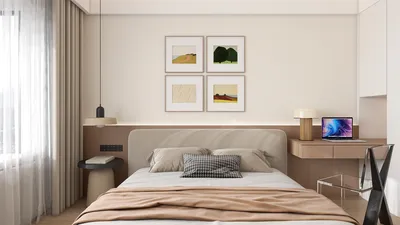


The future is about distilling abundance into precise living solutions, while modern households grapple with clutter, commuting woes, and escalating utility expenses; I craft spaces as refined systems for everyday life. The National Association of Home Builders (NAHB) reports a trend toward smaller new single-family homes, indicating a shift in what we value in our living spaces. In this context, floor plans for houses under 1000 square feet symbolize a transition to quieter, more efficient lifestyles, where practicality overshadows mere size. Tools for spatial reasoning make this possible, especially with platforms like Homestyler that aid in visualizing compact layouts.
Micro Courtyard Spine (1-bed + flex)
Design Logic: This narrow design revolves around a small courtyard, drawing in natural light to create a central core where compact rooms function like modules within a robust system.
Flow: The pathway flows from the entry through a gear alcove, connecting to the kitchen island, then to the living area, and eventually leading to the courtyard threshold and bedroom; routines are streamlined with minimal backtracking.
Sightlines: From the entryway to the glass features, the design reveals itself in a soothing sequence: low cabinetry, the island's edge, a plant wall, and the sky above—clarity in spatial user interface.
Storage: Featuring floor-to-ceiling wall rails and benches at stair height, the storage solutions resemble cache lines—organized, labeled, and easy to access.
Furniture Fit: Circulation zones of 18-24 inches and a 72-inch sofa outline the interface; a folding table integrates with the island seamlessly, similar to a plugin.
Verdict: In five years, this versatile layout can adapt to various needs—transforming a space into a home office or nursery without overhauling the entire design.
save pinOpen in 3D Planner Processing...
Split Bar + Loft Band (studio with mezzanine)
Design Logic: Two parallel bars—one for services and the other for living—are complemented by a loft band that stacks functionalities, like threads sharing memory, above the quieter edges.
Flow: From the entry node to a galley kitchen, transitioning to the living strip, followed by a ladder to the loft and bathroom; movement is designed as a closed loop, tailored to everyday patterns.
Sightlines: Low horizontal lines and high voids are staggered like user interface cards—countertop, sofa, clerestory, and loft rail—ensuring information is presented clearly and quickly.
Storage: Drawers beneath the loft and overhead racks form a tiered storage system, strategically placing hot storage near work areas while cold storage is tucked away in corners.
Furniture Fit: A 30-inch deep desk fits neatly under the loft; a 60-inch round rug creates a cohesive living area without obstructing movement.
Verdict: The mezzanine introduces flexibility—accommodating a sleeping area, studio, or equipment storage—highlighting that effective living space is not solely about square footage.
save pinOpen in 3D Planner Processing...
Diagonal Daylight Grid (2-bed compact)
Design Logic: A diagonal layout splits the rectangular space, allocating light to both bedrooms while harmonizing public and private areas akin to connected nodes.
Flow: Starting at the porch through a pivot entry, then to a kitchen corner, onto the living area, followed by a hallway leading to the bedrooms; this angled route minimizes friction and delays.
Sightlines: The diagonal layout offers a visual journey: countertop line to window stack and corner banquette—indicative of priority cues like a user interface hierarchy.
Storage: Spacious hallway niches and bed-platform drawers function as structured caches, categorizing items for seasonal and daily use.
Furniture Fit: A corner banquette allows for a 36-inch clear radius; queen beds are positioned with 24-inch side spaces, all respecting the constraints of the grid layout.
Verdict: Over time, the diagonal configuration maintains clarity—adapting from a children's room to a study or a guest area, reconfiguring smoothly without disorder.
save pinOpen in 3D Planner Processing...
## Final Takeaway
Floor plans for small houses under 1000 square feet are not just practical solutions; they represent a more intentional lifestyle where purpose supersedes size. With concepts of micro-living, energy-conscious designs, and innovative compact home layouts, these configurations function like efficient code that safeguards daily routines. Long-term requirements—such as aging in place and accommodating hybrid work—are seamlessly integrated when movement, storage, and furniture interactions align. In my perspective, the homes of tomorrow will prioritize intention over mere dimensions, making tools like Homestyler invaluable for planning such efficient spaces.
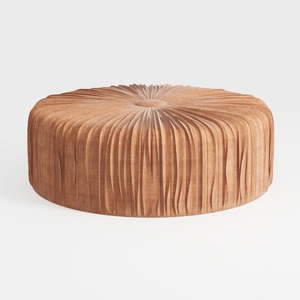

Meridian Furniture 77054Natural Everson Collection
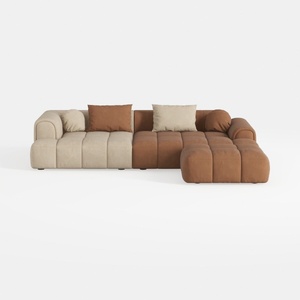
Modern Velvet Sectional Sofa, U Shape Minimalist M
Homestyler is your go-to online home design platform. With its user-friendly design tool, stunning 3D renderings, and a wealth of design projects and video tutorials, you can effortlessly transform your home into a space that truly reflects your style!
Дизайн сейчас бесплатно
































