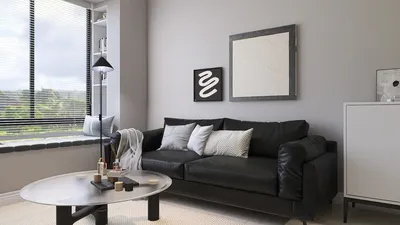


In recent years, the trend in living room decor has shifted towards the use of multi-functional, space-saving furniture, which I find particularly inspiring for creativity in smaller spaces. As a designer with over a decade of experience, I've explored a variety of end table solutions that successfully combine style and functionality. Here, I’ll present 10 innovative end table ideas for your living room, blending my personal experience with insights from industry professionals and showcasing how tools like Homestyler can help visualize these designs.
1. Minimalist Metal Frame Tables
My Experience: In a downtown loft project, I chose sleek metal-frame end tables that effortlessly blended into the decor while providing ample surface area.
Benefits: These tables are lightweight, easy to reposition, and their open design maintains an airy feel. They complement modern and industrial aesthetics beautifully.
Drawbacks: They might appear too stark if your living room has a cozy, traditional vibe.
Tip: A matte finish will help reduce the visibility of fingerprints and smudges.
2. Round Wood-Topped End Tables
My Experience: When I added round, natural wood-topped tables to a small living room, the space instantly felt warmer. The curves softened the overall sharp lines of the area.
Benefits: With options like oak or walnut, these tables bring warmth and rich texture. The soft edges are particularly good for families with young children.
Drawbacks: These tables can be heavier to move and require maintenance to keep them looking their best.
In a project emphasizing wood accents, we opted for sustainably sourced wood for an eco-friendly touch.
3. Glass-Top End Tables
My Experience: I have utilized glass-top end tables in compact apartments to create an illusion of openness while providing functional surfaces.
Benefits: They promote a light, airy atmosphere and reflect light beautifully, making them suitable for practically any color scheme.
Drawbacks: Glass tends to show dust and fingerprints more easily, and it may require tempered safety glass if there are children around.
Tip: Pairing with a vibrant rug underneath can enhance visual interest viewed through the glass.
4. Nesting End Tables
My Experience: Nesting tables are my top recommendation for adaptable living areas. I once staged a condo featuring brass nesting tables that could be spread out for gatherings.
Benefits: They save space and offer versatility, perfect for multi-use rooms.
Drawbacks: When nested, they might lack stability, and mismatched designs can create a cluttered appearance.
5. C-Shaped Sofa Tables
My Experience: In a micro-apartment, a sleek C-shaped table tucked beneath the couch served the dual purpose of a laptop desk and snack table.
Benefits: They can slide neatly under furniture to save space, making them ideal for small apartments during movie nights.
Drawbacks: Limited surface area may hinder decorative displays.
Pricing Insight: Basic models start at approximately $40, while custom designer pieces can exceed $300.
6. Drum-Shaped Accent Tables
My Experience: For a bohemian-themed living room, I sourced a hammered metal drum that soon became a striking conversation piece.
Benefits: Its unique design allows for extra seating when needed, and the rich texture adds depth to any space.
Drawbacks: These tables often lack storage and can be challenging to position due to their shape.
Consider pairing them with bohemian floor designs for a cohesive aesthetic.
7. Floating Wall-Mounted Tables
My Experience: To optimize a tight living space, I installed floating end tables onto the wall, effectively clearing up valuable floor area.
Benefits: They maximize floor space and are excellent for unconventional layouts while making maintenance straightforward.
Drawbacks: Their fixed placement can limit flexibility, and they require reliable wall anchors for installation.
Tip: Using hidden wiring can enhance the overall cleanliness of the design.
8. Storage Ottoman as an End Table
My Experience: A stylish ottoman with a removable tray top beautifully merged my client’s need for extra storage and seating into one cohesive piece.
Benefits: This option provides concealed storage while also offering additional seating, infusing a soft, cozy feel into the space.
Drawbacks: They may not be stable enough for delicate items such as lamps or vases.
9. Rustic Barrel Repurposing
My Experience: In a farmhouse-style setting, I transformed a wine barrel into an inviting end table that my client found utterly charming.
Benefits: This unique, eco-friendly option perfectly aligns with rustic or vintage themes.
Drawbacks: They can be bulky and heavy, potentially limiting legroom next to seating.
Pairing this piece with rustic layouts can aid in determining the ideal placement in your living space.
10. Mirrored Side Tables
My Experience: For glamorous living areas, mirrored tables enhance light reflection, imparting an air of sophistication throughout the space.
Benefits: Their reflective surfaces can brighten rooms and add drama, making them suitable for luxurious and classic interiors.
Drawbacks: They require frequent cleaning and are prone to visible scratches.
Conclusion
Having a small living room does not equate to a lack of style; rather, it calls for more intelligent design choices. Thoughtful end tables can effectively balance functionality, aesthetics, and personality within your space. According to the American Society of Interior Designers, multi-functional furniture remains one of the leading trends for compact homes this year. Which of these remarkable ideas are you eager to implement first, perhaps with the help of Homestyler to visualize it better?
FAQ
Q1: What size should an end table be for a living room?
For optimal comfort and visual balance, select a table height that is within 2 inches of your sofa arm height.
Q2: Is it possible to mix different styles of end tables?
Definitely! Mixing styles can deliver a curated appearance, but it’s wise to maintain some unifying factors such as color or texture.
Q3: What’s the ideal material for small living rooms?
Glass or acrylic can foster a sense of openness, according to the latest 2023 trends report from Houzz on living room furniture.
Q4: Are nesting tables sturdy?
Absolutely, provided they are constructed from quality materials; opting for solid wood or robust metal frames ensures durability.
Q5: How can I enhance the functionality of my end tables?
Look for designs that include drawers, shelves, or concealed storage options to maximize utility.
Q6: Can floating end tables support heavy items?
They can, as long as they are securely anchored into wall studs and designed with appropriate weight limits.
Q7: Are mirrored side tables complicated to maintain?
Yes, they need regular cleaning, but employing a microfiber cloth can help maintain their streak-free shine.
Q8: Should my end tables match my coffee table?
Not necessarily — coordinating styles can be equally effective, as demonstrated in my custom living room designs for clients.
Discover the magic of home design with Homestyler! This user-friendly platform offers a robust online design tool, stunning 3D renderings, and a wealth of inspiring design projects. Plus, enjoy DIY video tutorials that empower you to create your dream space effortlessly. Transform your home today!
Design Now for FREE
































