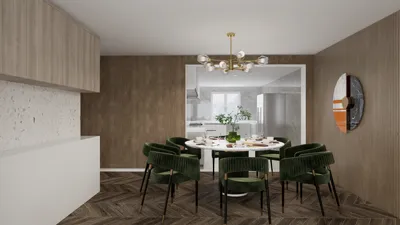


In the last ten years of designing both small and large residences, I've noticed a considerable shift in living room trends towards multifunctional pieces. In compact spaces, an end table serves more than just a flat surface—it can offer storage, act as a statement piece, or even function as a mini workstation. My philosophy revolves around the idea that smaller areas inspire greater creativity. Hence, this article presents ten innovative end table concepts for living rooms, blending my design insights with data-supported tips, all while highlighting the capabilities of Homestyler.
Minimalist Floating End Tables
Perspective: In my own apartment, the introduction of floating end tables liberated floor space and simplified cleaning routines. These tables have a light and modern feel, seamlessly complementing a minimalist sofa set.
Advantages: Perfect for smaller living spaces, floating tables promote an uncluttered, spacious look. Their wall-mounted designs can include cable management, ideal for tech-heavy areas.
Drawbacks: As they must be wall-mounted, these aren't ideal for renters unable to drill. Additionally, their weight capacity is generally less than that of traditional floor-standing options.
Advice: Combine them with narrow LED wall sconces to maximize space efficiency.
Glass-Top Accent Tables
Perspective: I utilized a glass-top table in a confined living area to minimize visual clutter. Its transparent design gives an illusion of more floor space, which is particularly beneficial in spaces with limited natural light.
Advantages: Reflective surfaces enhance light distribution, making the room appear brighter and more open—this effect is supported by design simulations showcasing how glass accents enhance space.
Drawbacks: These surfaces easily show fingerprints and smudges, necessitating regular upkeep. They are also less forgiving on surfaces where items like keys or metal mugs may be placed.
Example: One client opted for two round glass-top tables in a small loft, enhancing flow instead of using a singular large coffee table.
C-Shape Sofa Tables
Perspective: I personally enjoy sliding a C-shaped table over the arm of the sofa—perfect for casual laptop use during lazy weekends. This design keeps essentials at hand without crowding the living area.
Advantages: These tables maximize utility in tight layouts. They are lightweight and can easily migrate between different rooms as needed.
Drawbacks: The smaller surface area limits the amount of items you can place upon them; they might also be unstable on uneven rugs.
Advice: For multifunctional spaces, consider a height-adjustable C-table that can double as a casual dining option.
Rustic Wooden Stools
Perspective: While updating a home in the countryside, I incorporated reclaimed wood stools as end tables, instantly infusing the space with warmth and texture.
Advantages: Eco-friendly and full of character, rustic stools harmonize with both farmhouse and bohemian styles. Solid wood promises durability and a beautiful aging process.
Drawbacks: They lack concealed storage, and heavier versions can be cumbersome to move.
Budget Insight: Thrift stores and flea markets often have unique reclaimed wooden finds.
Storage Ottoman Tables
Perspective: In my first studio apartment, a storage ottoman beside the sofa became my secret stash for blankets—serving as both storage and a comfy footrest.
Advantages: This piece merges seating, table space, and storage into one practical solution. It effectively conceals clutter, especially in compact living areas.
Drawbacks: Fabric tops may need trays for stabilizing drinks, and upholstery could wear down faster if used daily as both a seat and table.
Example: A family in a small condo used two identical ottomans to create flexible seating for guests.
Nesting Tables for Versatility
Perspective: Nesting tables proved invaluable during holiday gatherings—simply pull out extra tables and store them away once guests depart.
Advantages: Extremely adaptable and space-efficient. Style them together for layered aesthetics or separate them based on need.
Drawbacks: Coordinating the heights of multiple tables with existing furnishings can pose a challenge.
Advice: Choose contrasting finishes to enhance the individuality of each piece.
Built-In Bookshelf Tables
Perspective: I crafted a bespoke end table with side shelves for a reader client—it transformed their nook into a cozy haven for reading.
Advantages: This design provides accessible storage within arm's reach of your favorite chair, and it's perfect for displaying collectibles.
Drawbacks: They are generally bulkier than simpler tables, making them more suited for larger furniture arrangements.
Example: One project effectively utilized integrated shelving within compact layouts, maximizing corner use in small condos, illustrating how similar strategies can enhance living rooms.
Metal Drum Tables
Perspective: I once added a hammered brass drum table to a modern space; it quickly became a conversation piece during social gatherings.
Advantages: This style offers bold texture and a sculptural feel, complementing eclectic and industrial decors beautifully.
Drawbacks: These tables may be heavy and create noise if frequently moved. The metal finish might dent upon impact.
Advice: Place a round felt pad underneath to protect flooring and reduce noise.
Convertible Tray Tables
Perspective: I keep a foldable tray table at home—serving as an end table, laptop station, and snack area whenever needed.
Advantages: They are lightweight and can be easily stored, making them fantastic for multi-purpose rooms where furniture is frequently rearranged.
Drawbacks: They can be unstable on plush carpets and may appear too casual for more formal living environments.
Example: Layering a decorative runner can enhance its appearance when hosting guests.
Live Edge Statement Tables
Perspective: Incorporating a live edge wood table added character to a client's modern loft—each piece reveals its unique knots and lines.
Advantages: Each table is a one-of-a-kind creation, bringing organic warmth to both rustic and contemporary settings.
Drawbacks: The cost for quality slabs can be higher, and these require periodic sealing for surface protection.
Advice: Coordinate the tone of the wood with other accents for a harmonious look, a technique we recently highlighted in our warm-toned modern designs showcased in Homestyler.
Summary
Compact living rooms do not limit our design potential; they push us to be smarter in our choices. From floating tables to storage ottomans, selecting the right end table can harmonize functionality with personality and style. According to the American Society of Interior Designers, multifunctional furniture is among the leading trends for 2024, and I wholeheartedly agree. Which of these suggestions would you consider incorporating into your own space?
Frequently Asked Questions
1. What is the top choice for end tables in small living rooms?
Floating end tables or nesting tables are the best options as they minimize the footprint while offering surface area.
2. Are glass-top end tables safe for homes with children?
Glass tables can be secure if made with tempered glass, though it's advisable to avoid sharp edges. ASTM International provides safety standards for furniture design.
3. How should the height of an end table compare to my sofa?
End tables should ideally match the height of the sofa’s arm or be within a two-inch variance for comfort and balance.
4. Can an ottoman serve effectively as an end table?
Absolutely—place a sturdy tray on top, and you can have storage as well as a table. This is becoming a prevalent multipurpose furniture trend in 2024.
5. What materials are in vogue for end tables?
Natural wood, glass, and mixed metals continue to dominate, reflecting sustainable and eclectic design trends.
6. How can I enhance storage in my end table?
Look for models with shelves, drawers, or concealed compartments, similar to custom-built shelving tables we've utilized in client designs.
7. Should both end tables in a living room match?
Not necessarily—varying styles can add character, yet it's crucial to maintain height consistency for balance.
8. What's the best way to decorate a small end table?
Limit yourself to 2-3 decor items: perhaps a lamp, a small plant, and a stack of books. Overcrowding will make petite tables seem cluttered.
Discover the ease of home design with Homestyler! This user-friendly platform offers an innovative online design tool, stunning 3D renderings, and a wealth of design projects. Plus, with engaging DIY video tutorials, you'll be inspired to create your dream space effortlessly.
Design Now for FREE
































