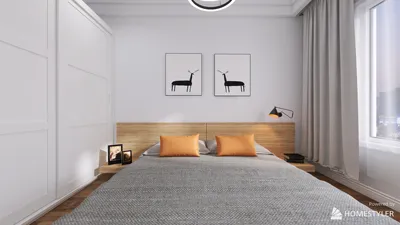


I once installed a sliding door incorrectly — it was upside down, and I only realized after my cat had turned it into a scratching post. This rookie mistake taught me the importance of sketching my room layout before starting any woodwork. What initially seemed like a disaster transformed into one of my preferred solutions for small cabinets, emphasizing how tight spaces can inspire innovative design details.
Small areas can ignite tremendous creativity, and incorporating sliding doors is an excellent way to maintain open space while infusing character into your design. I’ll share five DIY sliding-door cabinet ideas I've successfully implemented in various projects, offering insights on materials, budget considerations, and common challenges I learned to navigate.
1. Reclaimed Wood Sliding Cabinet
Utilizing reclaimed wood for cabinet fronts is one of my favorite approaches — it provides a rustic, warm look and seamlessly conceals imperfections that might otherwise be distracting on painted panels. This method not only adds character but also promotes sustainability; however, the downside includes extra preparation work like planing and sealing to avoid warping.
Tip: Opt for a soft-close sliding track to minimize noise and preserve the character of the finish. While reclaimed wood can lower material costs, it may increase labor if you desire a smooth sliding function.
save pin
2. Slim Pantry with Pocket Sliders
For narrow kitchens or hallways, I designed a slim pantry where the doors slide effortlessly into shallow pockets at the sides. This works similarly to a sliding barn door but within a more compact framework, making it perfect for storing snacks without obstructing pathways.
This design maximizes storage depth but requires precise framing to ensure that the pocket doesn’t encroach on shelf space. Expect to exert some carpentry skills, or consider pre-made pocket kits if your toolset is limited.
save pin
3. Corner Cabinet with Curved Sliding Panels
Corners can be quite awkward, so I once crafted curved sliding panels that move along a custom track, allowing for smooth access to a corner cabinet. When developing intricate corner layouts, having a solid digital plan, like one from a kitchen layout planner, simplifies measurements and clearance considerations.
Curved designs add a touch of luxury and help save space by eliminating door swing, though they do entail a higher level of complexity and an increased cost for custom tracks or routed guides.
save pin
4. Appliance Garage with Bi-directional Sliders
I love incorporating an ‘appliance garage’ that conceals countertop appliances behind double sliding doors, which can slide both to the left and right. This keeps your workspace clutter-free while making heavy mixers easy to access without the hassle of lifting over a tall door.
These units are particularly handy for tools that are frequently used, but the mechanics must be robust—I typically reinforce the tracks and install stops to prevent misalignment over time.
save pin
5. Modular Cabinet Frames with Interchangeable Tracks
My all-time favorite repeatable system involves a modular frame that allows you to swap out front panels and tracks: full-length sliders for wardrobes and shorter ones for media cabinets. This versatility caters to renters or changing needs.
While there is an initial investment to construct a universal frame, it proves cost-effective when you want to change finishes or repurpose the unit. For a detailed spatial visualization before making any commitments, exporting the design to a 3D floor planner, such as Homestyler, helped me sidestep alignment issues during installation.
save pin
FAQ
Q1: What is the most straightforward sliding-door mechanism for a DIY cabinet?
A: Surface-mounted rolling tracks are the most user-friendly for DIY enthusiasts, as they are simple to install and adjust. Choosing soft-close rollers can give a polished finish and require less maintenance.
Q2: How much clearance do sliding doors save compared to hinged doors?
A: Sliding doors eliminate the need for swing clearance, potentially saving 18–30 inches of usable space, depending on the size of the door. This makes them ideal for compact kitchens and hallways.
Q3: Can reclaimed wood be used for sliding doors?
A: Absolutely, reclaimed wood is an excellent choice, provided it is properly planed, sealed, and checked for moisture to prevent sticking or warping on the track.
Q4: Are sliding doors sturdy enough for heavy cabinets?
A: With appropriate tracks and hardware that can support the weight load, sliding doors perform reliably. I advise using hardware rated for a higher weight than what you expect to carry to ensure durability.
Q5: Do sliding doors require special maintenance?
A: It’s essential to keep the tracks clean and occasionally lubricate them; additionally, inspect the rollers and tighten the stops annually. Proper maintenance helps prevent most performance issues.
Q6: Should I get pre-made tracks or go for custom options?
A: Pre-made tracks are typically cost-effective and reliable for most DIY projects. Custom tracks are beneficial for unique curves or precise tolerances but tend to add to the complexity and cost.
Q7: What’s the best way to plan a sliding-door cabinet for a small kitchen?
A: Start by clearly outlining traffic patterns and appliance clearances; use blue tape on the floor to mock up door swings or sliding paths. For technical precision, consult kitchen planning guidelines from the National Kitchen & Bath Association (NKBA) for recommended clearances and workflow strategies (https://nkba.org).
Q8: Where can I access visual planning tools for testing my designs?
A: Utilizing 3D and floor planning software, such as Homestyler, allows you to visualize cabinet arrangements and sliding movements before committing to any wood cutting. I frequently use these tools to identify potential conflicts early and streamline the installation process.
save pin
Discover the ease of home design with Homestyler! This user-friendly platform features an intuitive online design tool, stunning 3D renderings, and a wealth of design projects. Plus, with DIY video tutorials at your fingertips, transforming your space has never been more accessible or enjoyable!
Design Now for FREE
































