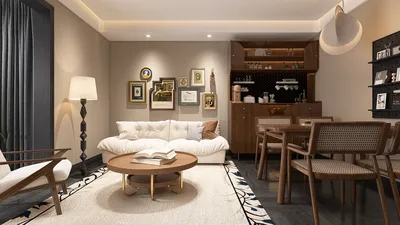


I vividly recall the evening when I nearly transformed my living room into a sauna by mistakenly wiring the heater backwards. That rookie error reinforced the importance of sketching out designs more carefully before diving into any assembly. When crafting layouts for compact apartments, I naturally aim for space-efficient designs that seamlessly incorporate the kotatsu, making it feel like it always belonged in the space.
Working with small areas often compels you to make smarter design decisions, which is part of the excitement. In this article, I’ll guide you through five DIY inspirations for kotatsu tables that I have successfully implemented for clients and in my personal projects — these ideas are practical, budget-friendly, and include important safety reminders you will appreciate.
1. Foldable Kotatsu: The Versatile Living Room Essential
I created a foldable kotatsu for a cozy 28 square meter studio where the owner needed a dining table during the day and a relaxing hangout space in the evening. This design features a hinged tabletop and a removable blanket panel, allowing it to be easily tucked away; it's snug but should include a reliable locking hinge to prevent any accidents.
Advantages: enhances floor flexibility and storage capacity. Challenge: the mechanisms involved with hinges and electrical components complicate the design, so ensure you plan for electrical access wisely.
save pin
2. Sleek Low-Profile Kotatsu with Integrated Storage
For a minimalist vibe, I suggest a low-profile wooden frame that boasts hidden drawers around its base — ideal for storing blankets and remote controls. This keeps your area tidy, although tall guests may find the under-table leg space restricted.
Cost-saving tip: opt for plywood and use edge-banding for a polished look without the expense of solid hardwood.
save pin
3. Modular Box Kotatsu for Versatile Living Areas
My favorite kotatsu design for shared spaces is a modular box style: it features detachable legs, a snap-on tabletop, and a removable insert heater that can be taken out during the summer months. Prior to making any cuts, I always ensure to map out accurate clearances using precise room measurements to prevent any design conflicts.
Advantages: highly customizable and adaptable. Small downside: additional joints result in more assembly required, but the flexibility is worth it.
save pin
4. Vintage Upcycled Kotatsu from a Reclaimed Coffee Table
I once transformed a coffee table sourced from a thrift store into a kotatsu for under $80. With a little sanding, frame reinforcement, adding an insulating skirt, and a low-wattage infrared heater installation, it turned out charmingly unique — full of character. Just be sure to check the table's structural integrity before upgrading.
Eco-friendly bonus: repurposing materials allows for a distinctive piece. Be cautious of any hidden weaknesses in older joints and replace worn-out hardware as necessary.
save pin
5. Compact Electric Kotatsu with Built-In Thermostat
For those who prefer modern conveniences, consider creating a compact unit featuring a low-profile electric heater combined with an integrated thermostat. It's essential to plan the route for the power cord and adequate ventilation; a strategically placed vent helps maintain even heat distribution and avoids creating hot spots. In my design iterations, I frequently sketch heating placement in conjunction with furniture arrangements to improve cozy heating strategies.
Advantages: offers precise temperature management and a sleek design. Downsides: slightly increased costs associated with safe certified components and thermostat functionality.
save pin
Tips 1:
Here are some quick practical suggestions: always choose a heater suitable for close-contact use with furniture, use flame-retardant fabrics for the blanket, and make sure that all electrical elements are securely housed in a ventilated case. If you're not confident with wiring, it's wise to hire a professional — I learned that lesson the hard way when I discovered the importance of fuses.
save pin
FAQ
Q1: What exactly is a kotatsu and why should I consider building one myself?
A kotatsu is a low table equipped with a heater beneath and a blanket draped to hold in warmth. By opting for a DIY approach, you can tailor the size, style, and heating specifications to suit your personal space and financial constraints.
Q2: Which types of heaters are safe to use underneath a kotatsu?
Common options include infrared panels and low-wattage ceramic heaters, as they provide even heat distribution. Always select heaters that feature overheat protection and possess recognized safety certifications.
Q3: How can I ensure electrical safety while constructing a kotatsu?
Utilize a certified thermostat, a fused plug, and ensure proper grounding. For reliable safety advice, refer to the guidelines provided by the U.S. Consumer Product Safety Commission (CPSC) regarding portable heaters and electrical safety (source: https://www.cpsc.gov).
Q4: What materials are most suitable for the kotatsu tabletop?
Select non-combustible materials for the tabletop adjacent to the heater; options like plywood with a heat-resistant veneer or tempered glass work well. Steer clear of thin plastics directly above heat sources.
Q5: What size should a kotatsu be for a compact apartment?
Typically, a kotatsu measuring between 70 and 90 cm square or 100 cm round will fit comfortably in small living areas, seating two to four people. It’s crucial to assess the arrangement of seats and circulation before making a final decision.
Q6: Is it feasible to use a kotatsu in a multi-story apartment?
Yes, it's certainly possible, but pay attention to the routing of the electrical cords and ensure that your electrical system can handle continuous low-wattage usage. If your building has strict electrical regulations, it's advisable to verify with management.
Q7: What kind of upkeep does a kotatsu require?
Regular maintenance includes checking the heater housing for dust, testing the thermostat, and laundering the blankets according to care instructions. Be sure to replace any frayed cords immediately to prevent hazards.
Q8: Is a DIY kotatsu energy-efficient?
The design of a kotatsu is naturally energy-efficient as it warms individuals rather than the entire room. Implementing a thermostat and an insulating skirt enhances both efficiency and comfort.
save pin
Homestyler is your go-to online home design platform! With its user-friendly design tool, stunning 3D renderings, and a wealth of inspiring design projects and DIY video tutorials, you can effortlessly create and visualize your dream space—perfect for both beginners and seasoned designers alike!
Progetta ora GRATIS
































