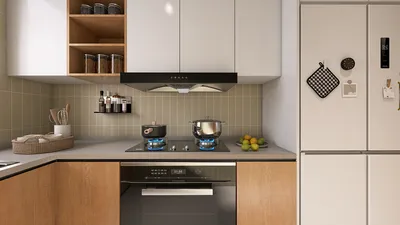


I once faced a challenge when I installed recessed lights too closely in a client's compact kitchen, resulting in a ceiling that resembled a scene from a sci-fi movie. That experience taught me the importance of utilizing decorative recessed lights as subtle focal points rather than accidental clutter. Small spaces ignite significant creativity, and I'm excited to share five practical decorative recessed lighting ideas I've implemented in my projects, using tools like Homestyler for effective planning.
1. Layered dimmable recessed clusters
I prefer to cluster decorative recessed lights into dimmable arrangements above dining areas or cozy living corners. This approach allows for flexible ambiance — bright for tasks and softer lighting for evenings. A minor drawback is the necessity for proper wiring coordination; most likely, you'll require a multi-circuit switch or a smart dimmer, which is a small price to pay for optimal mood control.
save pin
2. Accent rings for architectural highlights
Incorporating recessed fixtures with decorative trim rings effectively highlights alcoves, textured walls, or artwork. I implemented this technique for a client who dreamed of showcasing her pottery shelf in a gallery-like manner on a budget. However, the trade-off is some potential light spill if the trim isn’t deep enough; thus, I recommend selecting narrow-beam trims for clean accents.
save pin
3. Adjustable gimbal recessed for versatility
Adjustable recessed fixtures, known as gimbals, function like mini-spotlights, making them ideal for kitchens where you require flexibility in lighting for various prep zones. They provide directional lighting without the bulk of track lighting. A minor downside is that tilting them can reveal imperfections in the ceiling, so ensuring a clean ceiling finish prior to installation is crucial.
save pin
4. Colored or warm-toned LED modules
Replacing standard recessed can lights with warm or subtly colored LED modules transforms them into decorative mood-enhancers. For example, I installed amber-tinted modules in a reading corner, resulting in a cozy ambiance that my client cherished. Keep in mind that color-accurate LEDs can be on the pricier side, and maintaining color consistency across modules is essential.
save pin
5. Recessed sconces and cove integration
Combining recessed downlights with cove lighting or wall sconce fixtures results in a layered, boutique-hotel atmosphere, especially in small hallways. This technique transforms an ordinary corridor into a captivating design statement. However, careful planning of ceiling and wall junctions with your electrician is vital to avoid retrofit complications.
save pin
Tips 1:
A practical tip is to always create a mock-up of your recessed lighting layout using a 3D planning tool before any drilling commences. I frequently utilize a room planner to visualize spacing and beam spreads, allowing clients to see how the light will fall. Additionally, considering LED CRI ratings (90+) is essential for achieving accurate colors in kitchens and art display areas.
save pin
FAQ
Q1: What are decorative recessed lights? A1: Decorative recessed lights are ceiling fixtures designed to sit flush while incorporating aesthetic trims, colored modules, or adjustable features that blend functionality with style.
Q2: Are recessed lights suitable for small rooms? A2: Absolutely — when strategically planned, recessed lights can enhance a sense of space in smaller rooms by minimizing visual clutter and offering layered illumination.
Q3: How many recessed lights do I need in a living room? A3: The number varies based on ceiling height and desired illumination levels, but I typically design lighting zones and visualize them in a floor planner to prevent over-lighting.
Q4: Can I retrofit decorative recessed lights into an existing ceiling? A4: In many situations, yes, but it is important to check the clearance above the ceiling and collaborate with an electrician to ensure it meets code requirements and insulation compatibility.
Q5: What color temperature is best for decorative recessed lights? A5: For living areas, a temperature range of 2700–3000K creates a cozy atmosphere, while kitchens and workspaces often benefit from 3000–3500K. A higher CRI (90+) is ideal for true color representation.
Q6: Do decorative trims affect light output? A6: Yes, certain trims can narrow or diffuse the beam, impacting both intensity and spread. It’s important to select trims based on whether you desire accent lighting or general illumination.
Q7: Where can I visualize recessed layouts before installation? A7: I recommend using reliable 3D visualization tools; Homestyler is an excellent resource for creating professional-grade mockups, allowing for realistic light assessments.
Q8: Are there safety codes for recessed lighting? A8: Yes — local electrical codes and fire safety regulations, such as the need for IC-rated housings for insulated ceilings, are crucial; always consult an electrician and reference local codes like the NEC for detailed guidance.
save pin
Looking to transform your space? Homestyler is your go-to online home design platform! With its user-friendly design tool, stunning 3D renderings, and a wealth of DIY video tutorials, creating your dream home has never been easier or more enjoyable. Start designing today!
立即免费设计
































