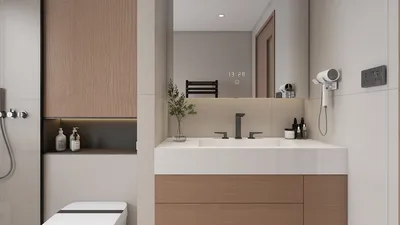


I once advised a client to install recessed floor lights beneath their sofa, suggesting it would mimic a runway. Surprisingly, it did give that effect, but in a delightful way. This experience revealed to me that decorative floor lighting can cleverly conceal flaws while adding flair to small spaces. When working with limited areas, smart design choices become essential. Here are five effective ideas I've implemented that can transform tiny rooms to feel intentional, inviting, and surprisingly airy.
1. LED Cove Strips Along Baseboards
I particularly enjoy using LED cove strips tucked behind baseboards, which emit a gentle glow that visually elevates walls, making ceilings seem higher. The perks include low energy consumption, customizable color temperatures, and almost invisible installation. However, careful wiring planning is necessary to avoid harsh lighting, so selecting dimmable drivers is essential for a softer ambiance.
save pin
2. Recessed Floor Uplights for Accent Walls
In a compact living room featuring an art wall, I incorporated slender recessed uplights in the floor to accentuate textures without adding visual clutter. They beautifully illuminate artwork or textured plaster, but it's crucial to be mindful of sightlines to ensure guests aren’t blinded as they move about. These fixtures are ideal for achieving a dramatic look without sacrificing floor space to table lamps.
save pin
3. Integrated Stair Treads with Linear Lighting
During a renovation of a narrow duplex, I added sleek linear lights within stair treads, which instantly added depth while creating a safer path at night. The benefits include enhanced safety and a modern aesthetic; however, the main challenge lies in moisture-proofing and ensuring the fixtures withstand foot traffic. Investing upfront in durable, rated fixtures is advisable.
save pin
4. Freestanding Floor Lamps with Hidden Uplights
For spaces with limited wiring, a freestanding lamp that directs light both upward and downward can create built-in-like floor lighting effects. I utilized one in a studio to achieve layered lighting without the need for structural modifications. The advantages include versatility and no installation complications; the trade-off is the footprint — selecting lamps with narrow bases and sleek designs can help maintain an open feel in tight areas.
save pin
5. Step and Shelf Lighting for Multi-Functional Nooks
In a micro-apartment I developed, incorporating slim strip lights beneath floating shelves and stairs transformed storage elements into stylish features. This adaptation made the nook usable at night, reducing reliance on overhead fixtures. It involves a modest investment with significant returns, though it’s important to conceal wiring properly and choose diffusers to prevent visible hotspots.
save pin
Tips 1:
As a practical note, it’s crucial to layer your lighting — combining floor effects with ambient and task lighting is key. For planning and visualizing layouts, I often use robust room planner tools like Homestyler to assess shadows and clear pathways, helping to avoid surprises upon installation.
save pin
FAQ
Q1: What types of fixtures work best for decorative floor lighting in small spaces?
A1: Slim LED strips, recessed uplights, and narrow freestanding lamps are optimal as they conserve space while providing adaptable lighting control.
Q2: What budget should I set for floor lighting?
A2: Costs can vary: simple LED strips may be under $100, whereas recessed, durable uplights and professional installation can increase expenses — it's wise to budget realistically for both materials and electrician fees.
Q3: Are LED floor lights safe to use in homes with kids and pets?
A3: Yes, provided you select appropriately rated, low-heat LEDs and ensure recessed units are flush and secure; avoid visible cords and fragile freestanding designs.
Q4: Can decorative floor lighting enhance the perception of space?
A4: Definitely — uplighting, baseboard glows, and ambient shelf lights can draw the eye upward or outward, making ceilings and walls appear more expansive.
Q5: Is it necessary to hire a professional electrician for floor lighting installation?
A5: For hardwired or recessed installations, it's advisable to engage a licensed electrician to comply with safety standards and ensure proper dimming functionality.
Q6: What is the ideal color temperature for decorative floor lighting?
A6: Warm white (2700K–3000K) creates a cozy atmosphere, while neutral white (3000K–3500K) suits modern spaces well. Utilizing dimmers can help customize the mood.
Q7: How can I mitigate glare from floor uplights?
A7: Opt for fixtures with diffusers or narrow beams directed at walls, and incorporate dimming options to soften intensity when necessary.
Q8: Where can I try out different floor lighting layouts virtually?
A8: You can use layout planners and 3D modeling tools to visualize the impact of floor lighting in a small room; for instance, I often recommend utilizing tools like Homestyler to provide clients a preview of the effects before installation (source: industry visualization tools and best-practice case studies).
save pin
Homestyler is your go-to online design platform for transforming your home. With its user-friendly design tool, stunning 3D renderings, and a wealth of inspiring design projects and video tutorials, you'll effortlessly create your dream space—regardless of your experience level!
Desain sekarang Gratis
































