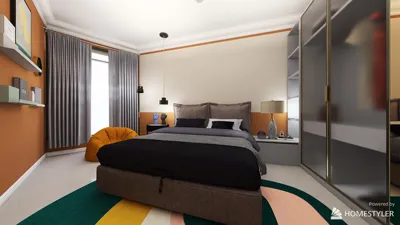


In my past experience, I attempted to conceal a client’s broadcast wiring with an overly ambitious crown detail, which resulted in an unintended coat rack suspension — a valuable lesson learned: moulding should enhance a room rather than complicate your design decisions. To effectively illustrate trims with my clients, I often present a quick layout case study, which aids them in visualizing the scale and rhythm of moulding within an actual plan. Smaller spaces demand thoughtful choices, which is why they frequently inspire my most innovative ideas.
1. Traditional crown combined with a slender picture rail
I enjoy matching a simple crown moulding with a slim picture rail positioned about 6 to 8 inches below the ceiling; this approach delivers a timeless aesthetic while keeping the walls practical for art displays. It visually enhances height and is budget-friendly when opting for profiles of 2 to 3 inches. Additionally, the picture rail helps prevent repeated nail holes in the walls; however, the necessity for precise measurements and level ceiling lines is critical.
save pin
2. Stylish geometric panel moulding for a contemporary grid
Geometric panels, such as rectangles arranged symmetrically, instantly add sophistication and can be crafted from budget-friendly MDF trim or painted plywood for a more tailored appearance. I utilized this design in a city apartment to conceal an awkward thermostat placement — the benefit is it creates a focal point without the need for expensive millwork. However, maintaining consistent spacing is essential, as variations can undermine the overall aesthetic.
save pin
3. Full-height wainscoting for added texture and durability
Installing wainscoting up to chair-rail height not only protects the walls but also provides a cozier atmosphere compared to plain paint. In a compact living room, I once installed beadboard to a height of 48 inches, using a darker hue below and a lighter shade above to create the illusion of a taller ceiling. This approach is highly practical for households with children or pets, though it may slightly elevate material and labor costs.
save pin
4. Shadow gap and reveal trim for a sleek modern look
For a minimalist approach, consider implementing a shallow shadow gap between the ceiling and walls or between panels — it’s subtle, crisp, and ideal for spaces that call for no ornate profiles. I employed a shadow reveal to hide a minor ceiling flaw; the advantage lies in achieving a clean architectural aesthetic, although it requires skilled installers equipped with precise tools.
save pin
5. Vary moulding heights with integrated shelving
By combining a lower dado rail, mid-height picture moulding, and a floating shelf, you can establish layers that beautifully frame furniture and display items. I creatively integrated a moulding band that cleverly doubled as a hidden floating shelf — highly clever and very social media-friendly. The key is to align paint and load-bearing components so that the shelf is not merely decorative.
To visualize how proportions translate within a room, I often use a trim-focused representation like a Homestyler installation demo to clearly illustrate offsets and sightlines — this approach eliminates guesswork and enables clients to grasp depth and shadow on their walls effectively.
save pin
FAQ
Q1: Which moulding styles work best for small living rooms?
A: For compact spaces, I recommend slimmer, simpler profiles such as a modest crown or picture rail; these options suggest height without overwhelming the room. Light color palettes and consistent proportions prevent the ambience from feeling cramped.
Q2: Is it feasible to install moulding by myself?
A: Yes, basic flat trim and picture rails can be DIY-friendly with a miter saw and some patience. However, complex crown or shadow gap installations often benefit from professional assistance to ensure tight joints and clean seams.
Q3: What is the typical cost for adding moulding?
A: Pricing varies based on materials and labor intensity; simple baseboard and picture rail installations can be economical, while custom millwork tends to increase overall costs. For approximate figures and national averages, consult cost guides such as HomeAdvisor's trim and molding pages for up-to-date estimates.
Q4: Which paint finish is most suitable for trim?
A: Semi-gloss is a traditional choice for trim, known for its durability and ease of cleaning; alternatively, eggshell or satin finishes can impart a softer, more modern appearance but may show scuffs more easily. I often align sheen with the room's traffic level and the homeowner's maintenance preferences.
Q5: How do I determine the placement of moulding?
A: Gauge proportions: keep moulding widths in harmony with ceiling height (taller rooms can accommodate larger profiles). Sketching a simple elevation or mock-up is helpful — even a photo with overlay can indicate whether proportions are well-balanced.
Q6: Are there affordable materials that maintain a high-end appearance?
A: MDF or paint-grade pine are excellent economical choices that accept paint well and can resemble more expensive woods when detailed properly. Often, the finishing and quality of installation have a more significant impact on perceived luxury than the material itself.
Q7: Can moulding help conceal imperfect walls or ceilings?
A: Absolutely — strategic use of moulding like shadow gaps or crown profiles, or even framed panels, can detract from minor imperfections and create intentional lines that are perceived as design elements rather than quick fixes.
Q8: How long can painted moulding last before it needs repainting?
A: With proper preparation and semi-gloss paint, trim can maintain its fresh appearance for 7 to 10 years in low-traffic areas; however, high-contact zones might require touch-ups sooner. Ensuring good caulking and priming can prolong lifespan and minimize repainting frequency.
save pin
Looking to design your dream space? Homestyler is your go-to online platform! With an easy-to-use design tool, stunning 3D renderings, and a wealth of DIY video tutorials, you can effortlessly create and visualize your ideal home. Start transforming your ideas into reality today!
Zaprojektuj teraz za darmo
































