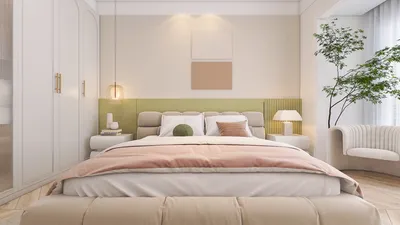


I once made a mistake by installing a wall light upside-down in a client's living space due to misinterpreting the sketch — it ended up looking like a UFO, and the client's cat thoroughly enjoyed it. This little mishap taught me two crucial lessons: lighting has the power to transform a compact area, and utilizing corners can be incredibly beneficial in a small home.
Small spaces inspire immense creativity, and corner wall lights are among my favorite solutions. In this piece, I will showcase five corner wall light designs based on actual projects, highlighting their effectiveness, potential pitfalls, and easy-to-implement tips you can apply tonight.
1. Slim LED Sconce for Vertical Impact
In a studio I redesigned, adding a slim vertical LED sconce in the corner instantly created the illusion of a higher ceiling. The steady upward glow produces vertical lines that trick the eyes, which is beneficial when your ceiling height is below 2.5 meters. However, be cautious with low-quality LEDs that might appear flat; opt for warm CRI>90 strips to showcase natural skin tones.
save pin
2. Adjustable Swing Arm in Cozy Reading Areas
I enjoy placing a swing-arm corner lamp behind a small chair. This choice frees up floor space while providing an adjustable light source for reading or knitting. Just make sure to consider wiring and wall support, as these swing arms require a secure attachment. Budget-friendly options are readily available, but it’s essential to confirm the arm’s reach before making a purchase.
save pin
3. Layered Accent Uplighting
Using corner uplighting casts a delicate glow on the wall, adding depth without causing glare. In a narrow hallway, I installed two low-profile uplights to create a subtle gradient — impressive for guests and relatively easy to set up. Keep in mind that it may not provide adequate direct lighting, so consider installing a separate spotlight for activities requiring more illumination.
save pin
4. Combined Shelf-Light Arrangement
Incorporating LED strips under a corner shelf delivers both display lighting and adds warmth to the corner. I implemented this strategy in a client's kitchenette to showcase ceramics while minimizing clutter. This is a smart dual-purpose approach, though you'll need to plan for discreet cable placement and possibly a dimmer to avoid overly harsh lighting.
save pin
5. Sculptural Statement Lighting
When a client aimed for a dramatic touch in a small dining nook, I selected a sculptural corner sconce that not only provided light but also served as a piece of art. It elevated the area without consuming floor space. However, be cautious: bold statement pieces can overwhelm a compact palette, so scale wisely and balance with softer finishes.
save pin
Tips:
For planning layouts and quick checks, I often utilize a 3D floor planner to visualize how corner lights influence shadowing and flow. This tool has prevented me from creating awkward glare situations multiple times.
save pin
FAQ
Q1: What is the ideal height for installing a corner wall light? A1: The general guideline is to position it 140–160 cm above the floor for ambient or accent lights; for reading lights, aim for 100–120 cm above the seating level.
Q2: Are corner wall lights appropriate for extremely small rooms? A2: Absolutely — corner fixtures help save floor space and can make a room appear larger when upward or vertical light sources are chosen.
Q3: Should I opt for warm or cool bulbs? A3: Warm white (2700–3000K) is ideal for living spaces to generate a cozy atmosphere; cool white is suitable for task-oriented areas like kitchens.
Q4: How can I conceal wiring for a corner sconce? A4: You can manage wires inside the wall or use small surface-mounted raceways painted to match the wall. Renters should consider battery-operated or plug-in options to avoid making alterations.
Q5: Are corner lights available in dimmable options? A5: Yes — most LEDs permit dimming when used with compatible drivers and switches; adding a dimmer greatly enhances versatility.
Q6: Which fixtures are most suitable for damp areas such as bathrooms? A6: Opt for IP44-rated fixtures for corner installations in bathrooms. For safety considerations, refer to the IET Wiring Regulations (BS 7671) or your local electrical code for zone-specific guidelines.
Q7: How do I determine the appropriate size for a statement corner light? A7: Ensure the fixture is proportional to surrounding furniture; as a general rule, the fixture's width should not exceed two-thirds of the nearest piece of furniture to avoid visual crowding.
Q8: Can corner lighting enhance resale value? A8: Quality lighting can significantly improve the perceived space and finishing quality, something potential buyers take notice of. For ideas and practical layout illustrations, I often reference tools like the Homestyler free floor plan creator when developing concepts.
save pin
Homestyler is your go-to online home design platform! With its user-friendly design tool, stunning 3D renderings, and a wealth of DIY video tutorials, you can easily create and visualize your dream spaces. Transform your home design journey into an inspiring adventure with Homestyler!
Progetta ora GRATIS
































