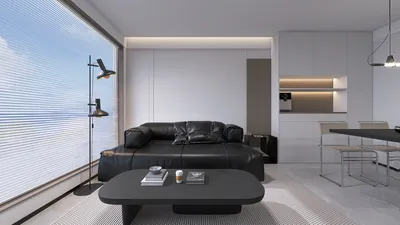


When tasked with designing a compact bedroom where the client envisioned a "bed that floats like a cloud" along with a slide instead of traditional stairs, I quickly realized the importance of meticulous planning. Now, I always recommend that my clients visualize their layouts in 3D using tools like Homestyler before making any furniture purchases. Small rooms demand clever design choices, making the decor for children's bedrooms particularly enjoyable.
In this piece, I will present five compact and innovative inspirations that I apply in real-world design projects. Each suggestion will outline its effectiveness, the minor compromises involved, and some quick tips for you to implement these ideas in your own space.
1. Built-in beds paired with playful nooks
I adore incorporating built-in beds as they maximize floor space and enhance the architectural appeal of a room. Features like cubby shelves, cozy reading corners, or a compact desk can fit snugly beneath or alongside the bed. While the advantage includes personalized storage and a warm atmosphere, the downside can be a higher initial investment and reduced versatility if you wish to rearrange later.
Tip: Opt for durable paints and washable fabrics to simplify upkeep.
save pin
2. Layered zones defined by rugs and lighting
Children require distinct areas for sleeping, playing, and studying, even in a single room. I utilize rugs, hanging lights, and wall stickers to create visual separations without needing physical walls. This method is budget-friendly and easily adjustable, though it is essential to consider scale to avoid overwhelming the small room with patterns.
Budget tip: Change out rugs seasonally for a fresh look without major renovations.
save pin
3. Dual-purpose furniture that evolves with your child
Select furniture that can serve multiple purposes, such as a desk that transitions into an art station, a crib that converts into a toddler bed, or a bench with hidden storage. This strategy not only stretches your budget but also minimizes waste, although convertible options can sometimes have a higher upfront cost.
When planning, take the time to measure and designate the play area, ensuring that furniture choices allow for easy movement throughout the room.
save pin
4. Playful wall treatments with practical finishes
One of my favorite cost-effective strategies is using removable wallpaper or chalkboard paint on an accent wall. This approach injects personality into the space and can easily be updated as tastes change. The downside is that striking designs may overpower the room, so I typically opt for a calmer color palette for the remaining elements.
Pro tip: Position art and decals at a child’s eye level for immediate connection and engagement.
save pin
5. Intelligent storage solutions to keep clutter at bay
While open bins might look charming, closed storage options ensure that rooms remain orderly. I often design low wardrobes, under-bed drawers, and toy garages to integrate cleanup into daily routines rather than turning it into a battle. Although this requires some additional carpentry, the return on investment is substantial for busy families.
For effective visualization and space planning, I frequently explore smart storage solutions early in the design process. This way, clients can utilize tools like Homestyler to see how everything will fit before construction begins.
save pin
FAQ
Q: What colors work best for a child's bedroom?
A: Soft neutral shades paired with a single accent color provide a calming environment for sleep while allowing for playful touches to stand out. Brighter colors are excellent for activity zones, but it's important to keep the main color scheme soothing.
Q: How can I make a small room feel larger?
A: Implement vertical storage solutions, choose low-profile furniture, and maintain a consistent color theme to enhance visual continuity. Mirrors and good lighting can also significantly increase the perceived space.
Q: Are loft beds safe for younger children?
A: Loft beds are excellent for saving space but are better suited for older children who can navigate them safely. Always adhere to manufacturer guidelines regarding height and safety rails, and avoid lofted designs for toddlers.
Q: How should I select kid-friendly paints?
A: Opt for low-VOC or no-VOC paint options and look for non-toxic certifications. The EPA advises selecting products that limit indoor air pollutants (see: https://www.epa.gov/indoor-air-quality-iaq/volatile-organic-compounds-impact-indoor-air-quality).
Q: What storage options are effective for multiple children sharing one room?
A: Providing each child with a color-coded storage bin or shelf fosters a sense of ownership while combining larger shared storage for toys helps minimize conflict and simplifies organization.
Q: How frequently should decor be refreshed as kids grow?
A: Major overhauls are usually not necessary more than every 3–5 years; instead, incorporate budget-friendly accents such as bedding, wall decals, and rugs to adjust the style in the interim. This method keeps costs manageable while still reflecting evolving interests.
Q: Is it beneficial to hire a designer for a child's bedroom?
A: For challenging layouts or multi-functional rooms, enlisting a designer can save both time and prevent costly errors. For straightforward updates, a clear plan along with a few strategic purchases can be effective.
Q: How can I balance playful themes with long-lasting design?
A: Ground the room with neutral, durable furniture and use textiles and removable decor to layer in thematic elements. This approach allows you to embrace whimsy now while ensuring longevity down the road.
save pin
Discover the ease of home design with Homestyler! This online platform offers a user-friendly design tool, stunning 3D renderings, and a wealth of DIY video tutorials. Whether you're a beginner or a pro, you can transform your space into your dream home effortlessly!
Concevez maintenant gratuitement
































