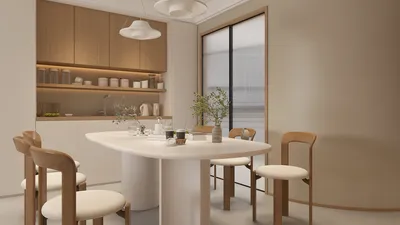


In one unique situation, a client requested a display cabinet that could cleverly conceal our furniture-loving cat during dinner parties — and so, I designed a slim glass-front cabinet featuring a discreet low shelf that served as both a cat hideaway and a showcase. This project highlighted for me how a compact display cabinet can inject personality into a space while simultaneously addressing practical issues, all beginning with an effective visual room mockup using Homestyler.
Navigating small spaces demands innovative solutions, and I relish the challenge it brings — it fuels my creativity. Here, I present five practical design inspirations I’ve successfully implemented in actual living rooms, complete with advantages, realistic obstacles, and budget-friendly tips.
1. Slim Vertical Glass Cabinet with Integrated Lighting
Opt for a tall and narrow design: a glass-front cabinet featuring slim shelving and built-in LED strips draws the eye upward, maintaining a sense of openness in the room. I have used this concept in various city apartments, as it showcases ceramics and books without overwhelming a corner.
Benefits: an elegant display that’s perfect for collectibles with a minimal footprint. Drawbacks: glass attracts dust and the lighting can incur additional costs; it’s wise to select dimmable LEDs to minimize glare.
save pin
2. Floating Display Case with Drawers Below
A wall-mounted floating display maintains floor visibility and infuses a modern, airy ambiance. I suggest pairing open shelves behind glass with shallow drawers underneath to conveniently store remotes and coasters.
This option is stylish and effective at concealing clutter, but be sure to properly secure the wall anchors — I’ve learned through experience that overloading a shelf can lead to issues.
save pin
3. Corner Wraparound Cabinet that Reads Like Wall Art
Corners often go neglected; however, a wraparound corner cabinet with angled glass can transform an otherwise wasted area into a stunning display feature. Before implementation, I typically create a quick sketch to verify sightlines, followed by utilizing Homestyler for a realistic 3D render to assess proportions.
Advantages: effectively utilizes awkward space while creating a distinct focal point. Disadvantages: customized angles can escalate costs and complicate delivery, so it's prudent to account for a modest contingency within your budget.
save pin
4. Multi-Functional Cabinet with Seating or Fold-Down Desk
My preferred strategy for small areas is to integrate display functionality with utility: a low cabinet topped with a cushioned bench or a fold-out desk offers seating or a mini workspace without the need for extra furnishings. I applied this idea in a studio where every square inch was vital.
It’s both practical and inviting, but careful measurement of doors and drawers is essential. Tip: ensure that the upper surfaces are durable and easy to maintain.
save pin
5. Scaled-Down Vintage Armoire for Character
Don’t overlook secondhand treasures. I once transformed an outdated armoire into a slender display cabinet by removing bulky shelves and incorporating glass inserts. The end result exuded antique charm and bespoke character without the expense of a newly crafted piece — and yes, our cat still finds it quite inviting.
Vintage finds bring warmth and distinctive features but may require some work to ensure safety and appropriate finishes. If you're interested in quickly iterating designs, utilizing AI design tools like Homestyler can help you visualize styles and finishes before making a purchase.
save pin
FAQ
Q1: What size cabinet is ideal for a compact living room?
Start by measuring your wall and seating arrangement; typically, select a cabinet no deeper than 30–35 cm to allow for narrow passageways and no taller than one-third of the wall height for aesthetic balance. Place a mockup cutout on the floor to check sightlines.
Q2: Do glass-front cabinets require a lot of maintenance?
Glass can attract dust and fingerprints, but regular cleaning along with lower-glare lighting can simplify maintenance. Consider using frosted or textured glass if you prefer less visibility into the shelves.
Q3: How can I enhance the appearance of a small cabinet to make it seem more luxurious?
Attention to detail matters: consistent hardware, quality finishes, and integrated lighting can elevate a budget piece to feel high-end. A fresh application of deep, matte paint and new knobs can dramatically refresh its look.
Q4: Is it feasible for a display cabinet to serve storage purposes as well?
Absolutely — pair glass shelves for display with concealed drawers or doors for practical items below. Combining open and closed storage is a classic strategy I regularly employ in nearly all compact design projects.
Q5: Which materials are optimal for small living rooms?
Using light woods, glass, and slender metal frames helps lower visual weight. High-gloss finishes can reflect light effectively but may show wear more easily, while matte surfaces are better at concealing minor scratches.
Q6: What is the safest way to secure a cabinet to the wall?
Employ suitable wall anchors or screw into wall studs; for taller cabinets, it’s essential to install anti-tip brackets. If unsure, it is advised to consult a local professional to assess wall types and load support.
Q7: Where can I find dependable design guidelines?
For layout and circulation standards, refer to the National Kitchen & Bath Association (NKBA) guidelines (https://nkba.org), which provide expert insights on clearances and ergonomic design.
Q8: Is it worth investing in custom solutions for a compact display cabinet?
Custom solutions ensure a perfect fit and tailored features, which are particularly beneficial in challenging spaces, although built-ins can be pricier and require more time. I frequently suggest considering semi-custom options or clever retrofits as budget-friendly alternatives.
Homestyler is your go-to online home design platform, perfect for bringing your ideas to life! With an intuitive design tool, stunning 3D renderings, and a wealth of DIY video tutorials, you’ll find everything you need to create your dream space, no matter your experience level.
Design jetzt kostenlos
































