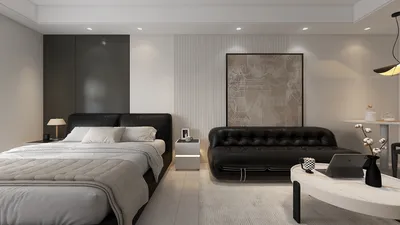


In recent interior design trends, black walls have emerged as a striking choice. Through my experience with small urban spaces, I've come to realize that compact rooms can ignite immense creativity. This article presents 10 innovative ideas for black living room walls that harmonize boldness with functionality, merging my design knowledge with expert strategies to help you craft a stylish yet practical area. Additionally, we'll explore details like incorporating wood elements for warmth, which can soften the intensity of dark walls—an approach you might visually experiment with on a platform like Homestyler.
1. Embrace Matte Black for an Elegant Aesthetic
My Insight: One of my favorite transformations involved matte black walls in a downtown loft, instantly evoking a gallery ambiance. Matte finishes absorb light effectively, fostering an intimate and cozy feel to any room.
Advantages: They efficiently conceal wall imperfections, present a soft look, and are less reflective, making them suitable for naturally bright living areas.
Disadvantages: Without proper lighting, they can make small spaces seem even more confined. Also, certain matte paint types may display fingerprints more prominently.
2. Glossy Black for a Dramatic Touch
My Insight: During a project in a penthouse with high ceilings, a glossy black accent wall reflected ambient light beautifully, adding modern drama without overwhelming the space.
Advantages: It reflects light, enhances spatial perception, and complements metallic décor seamlessly.
Disadvantages: This finish tends to show dust and smudges easily and may feel overly bold for those who prefer a tranquil environment.
3. Pairing Black Walls with Warm Wood Accents
My Insight: One of my favorite design tricks is combining black walls with natural wood trim or furniture. This combination tempers the assertiveness of black with a touch of organic warmth.
Advantages: It introduces additional texture and warmth, catering to those who fear that black may be too harsh. This look harmonizes beautifully with contemporary Scandinavian styles.
Disadvantages: Excessive wood tones can lead to a rustic feeling, which might not align with a sleek, modern vision.
Tip: Consider blending black walls with oak shelves, reminiscent of a minimalist kitchen design project, to achieve an aesthetic that’s both stylish and functional.
4. Striking Black and White Contrast Walls
My Insight: In a narrow living space, alternating black and white walls not only created depth but also enhanced the perception of width.
Advantages: This classic combination is timeless, emphasizing architectural features and facilitating easy styling with monochrome artwork.
Disadvantages: Careful planning is critical to avoid visual chaos; strong contrasts might not pair well with colorful furniture.
5. Black Accent Wall Behind a Sofa
My Insight: If you're hesitant to fully commit to black, starting with an accent wall behind the sofa is an excellent option. It beautifully anchors the seating arrangement.
Advantages: This approach defines the space, enhances wall art visibility, and is budget-friendly, requiring paint on just one wall.
Disadvantages: It can lead to visual imbalance if the opposite wall isn’t also visually engaging.
6. Black Walls Showcasing Large Artwork
My Insight: Black backgrounds allow vibrant artwork to stand out. I’ve seen clients rediscover their décor with this technique.
Advantages: It offers a museum-like elegance, flexibility to swap artwork without repainting, and highlights unique collections beautifully.
Disadvantages: In very small or poorly lit spaces, this can feel overwhelming and requires consistent lighting to achieve the desired effect.
Tip: Incorporate track lighting aimed at the artwork to enhance the dynamic interaction within the space.
7. Textured Black Wallpaper
My Insight: Utilizing black grasscloth wallpaper for a reading nook I designed added visual intrigue and caught ambient light in delightful ways.
Advantages: It infuses depth and texture, conceals fingerprints better than paint, and offers an array of patterns to match styles ranging from modern to vintage.
Disadvantages: Wallpaper installation can be time-consuming and requires more skill; it may peel in humid environments.
8. Enhanced Depth with Black Paneling
My Insight: Dark wood paneling painted in deep black imparts a refined character that flat walls can’t achieve, particularly beneficial in period homes.
Advantages: It contributes architectural detail, durability, and timeless appeal.
Disadvantages: Installation can be pricier and labor-intensive; if not balanced with lighter flooring, a darker shade may dominate the space.
9. Fun with Chalkboard Black Feature Walls
My Insight: For a creative client, I designed a chalkboard black wall that serves both decorative and practical functions in the living room.
Advantages: This solution is customizable every day, functional for notes or art, and entertaining for families.
Disadvantages: Chalk dust can create mess; the surface may require refreshing every few years.
Tip: It's perfect for open layouts and can complement features like L-shaped kitchen designs to free up counter space nearby.
10. Dynamic Black Walls with Strategic Lighting
My Insight: This is often the key element. Black walls truly come to life with appropriate lighting—from spotlights to warm ambient lamps.
Advantages: They highlight textures and shapes, prevent the space from appearing flat, and enhance mood-setting options.
Disadvantages: This requires a larger investment in lighting and ongoing maintenance of bulbs.
Conclusion
In my professional journey, I've found that black living room walls symbolize more than limitations; they showcase design intelligence. When balanced with texture, lighting, or contrasting elements, they can transform small areas into curated, expansive experiences. As noted by Architectural Digest, thoughtfully designed dark interiors can enhance perceived value and style longevity. Which of these inspiring ideas do you plan to experiment with first?
FAQ
1. Are black walls suitable for small spaces?
Absolutely, especially when paired with adequate lighting and contrasting furniture. It creates a feeling of intimacy rather than confinement.
2. What furniture colors complement black walls?
Neutrals, warm wood tones, and metallic accents work perfectly. Additionally, vibrant accent colors can energize the space.
3. Do black walls increase room temperature?
They absorb more light, but unless your room is bathed in direct sunlight throughout the day, the temperature difference is negligible.
4. Should I choose matte or glossy black?
Matte offers subtle sophistication and conceals flaws; glossy is more reflective and dramatic. Choose based on your natural light and style objectives.
5. How can I decorate black walls without them feeling too dark?
Incorporate layered lighting, mirrors, and vibrant artwork. Strategic splashes of color can elevate the overall aesthetic.
6. Is wallpaper a viable alternative to paint?
Absolutely. Textured black wallpapers add depth and intrigue and often conceal marks more effectively than paint.
7. What’s the cost to paint walls black?
Costs vary by region but are typically in line with other painting projects—consider budgeting for high-quality paint to avoid streaking.
8. How can I maintain black walls?
Gently wipe with a soft cloth and mild cleaner. For stubborn stains, touch-up painting can be beneficial. Consider visualizing your space in 3D using a tool like Homestyler before making color decisions.
Looking to transform your space? Homestyler is your go-to online home design platform! With its user-friendly design tool, stunning 3D renderings, diverse design projects, and helpful DIY video tutorials, you can effortlessly create your dream home. Start designing today!
Zaprojektuj teraz za darmo
































