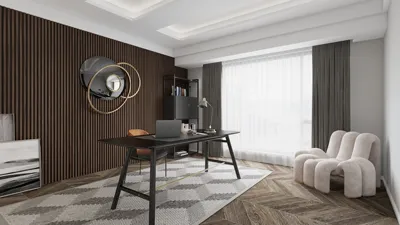


In a past project, I once placed a 1.2-meter long bench in a cramped entryway, which unfortunately was hit by the door each time it opened—my client affectionately referred to it as my "bench of doom." This little hiccup taught me that benches designed for small areas really require a blend of ingenuity and practicality. When dealing with limited space, a thoughtfully selected bench can serve multiple purposes: seating, storage, a room divider, or even a striking centerpiece.
In this article, I will present five bench concepts I often utilize, complete with their respective advantages and disadvantages, budget-friendly tips, and sketches derived from my recent case studies. Limited space necessitates better choices—let's ensure yours are effective.
Built-in Storage Bench
My preferred option is a bench that is integrated into a nook or situated under a staircase. This setup provides a tailored fit, ensuring every inch of space is utilized, with the top serving as either a plush cushion or a wooden surface. The main benefit is ample storage with a cohesive appearance; however, it typically comes with higher carpentry costs and less adaptability if you decide to relocate.
Cost-saving tip: consider using a plywood frame alongside a pre-made cushion to minimize labor expenses. I once transformed an underutilized closet into a bench with deep drawers, creating an organized area for shoes and backpacks that the client adored.
save pin
Flip-up or Lift-top Bench
For entryways or as a footrest at the end of a bed, flip-up lids are incredibly clever. They conceal seasonal items while maintaining a sleek design. The challenge lies in ensuring that the gas struts or hinges are rated for regular usage to prevent sagging issues.
Expert tip: line the interior with an inexpensive laminate for better durability and incorporate removable bins for straightforward organization—affordable, practical, and very effective.
save pin
Bench with Hidden Compartments
If you're someone who dislikes clutter but prefer to keep drawers out of sight, I recommend using benches equipped with hidden compartments accessible from the back or beneath the seat. This design maintains a tidy appearance while still providing generous storage space for blankets or tools. However, it's somewhat more intricate to construct and might be heavier to shift around.
When drafting plans, I frequently create a quick visual layout to assess clearances—this has saved me from repeating a hinge interference issue in a recent project.
save pin
Window-seat Bench
A window seat adds a touch of luxury even in the smallest of studios. It fosters a cozy nook while providing built-in storage underneath. However, it does require adequate natural light, and as cushions can gather crumbs, considering washable materials is advisable.
In one particularly tiny apartment I designed, the window bench also functioned as a dining area for two—just a foldable table, clever cushioning, and a splash of personality made it work beautifully.
save pin
Slim Bench as a Divider
Utilize a slim bench (25–35 cm in depth) to subtly distinguish different living areas without obstructing sightlines. This approach defines spaces while ensuring a smooth flow, and can be easily rearranged should a reconfiguration be needed. The downside is that it offers limited storage and isn't the most comfortable option for prolonged sitting.
For final designs, I sometimes render the setup using 3D mockups to verify scale and circulation—this simple step helps prevent the return of the "bench of doom."
save pin
FAQ
1. What bench depth works best in small spaces?
I recommend 25–35 cm for narrow corridors and 40–50 cm for seating that may double as dining space. Anything beyond that could impede movement in compact homes.
2. How high should a bench be for comfortable seating?
The average seat height is 43–48 cm. For children or low coffee-table configurations, opt for a lower height; if you need storage beneath, keep the height manageable for lifting lids.
3. Are built-in benches worth the investment?
Absolutely, if you intend to stay for the long haul—they maximize every inch and often enhance perceived value. If you plan to move often, consider modular options to avoid losing your investment.
4. What materials are best for durability?
Plywood with a laminate or painted finish offers a cost-effective and durable solution; solid wood provides aesthetic appeal but comes at a higher price. For cushions, opt for removable, machine-washable covers for practicality.
5. Can a bench be both slim and provide storage?
Certainly—think about shallow pull-out drawers, trays under the seat, or vertical cubby storage. You'll need to balance capacity with footprint, so prioritize your storage needs accordingly.
6. How to measure for clearances?
Ensure to leave at least 60–75 cm of walkway in front of the bench for comfortable passage, and check the swings of doors before finalizing the depth. A quick layout sketch can help avert costly errors.
7. Are there any safety guidelines I should follow?
Keep lids lightweight or equipped with soft-close hinges to prevent finger injuries. For public or semi-public settings, adhere to accessibility guidelines—refer to the ADA Standards for Accessible Design for official instructions on clearances and seating heights.
8. Where can I try a virtual layout before making a purchase?
Utilize online tools or planners to experiment with scale, sightlines, and storage options—this method is faster than buying and returning furniture and helps avoid design regrets.
save pin
Discover your inner designer with Homestyler! This user-friendly online platform offers an intuitive design tool, stunning 3D renderings, and a wealth of DIY video tutorials. Whether you're planning a renovation or simply exploring ideas, Homestyler makes home design fun and accessible for everyone!
Zaprojektuj teraz za darmo
































