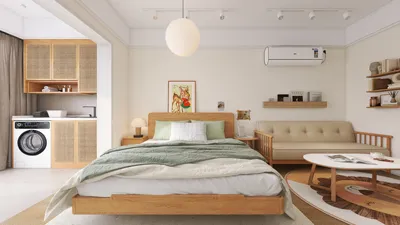


I often chuckle when I recall a client who was adamant that her bar cart needed to accommodate not only a blender but also a succulent and a collection of vintage cocktail books — and somehow, we made it a reality. This experience taught me that working with small areas compels us to make better choices rather than limiting options. For a quick inspiration boost, don't miss this kitchen case study showcasing how a slim cart transformed a cramped corner, all with the help of tools like Homestyler.
Compact designs can ignite significant creativity. I have put together five inventive bar cart solutions that I've used in my projects, each with candid benefits, minor challenges, and tips for saving time or money.
1. The Slim Vertical Cart — Utilize the Narrow Strip
In spaces where floor area is limited, consider going vertical: a slender, three-tier cart can fit perfectly between a refrigerator and counter. I once managed to place one in a 14-inch gap to store spirits, bitters, and glassware — it was like magic.
Benefits: It optimizes underutilized narrow spaces and keeps essentials easily accessible. However, the limitation is that larger bottles might require their own specific storage. Tip: Opt for locking casters so the cart remains stable on uneven surfaces.
save pin
2. Fold-Down Wall Shelf with Rolling Tray
My go-to solution for studio apartments is a foldable shelf that serves as both a prep area and a tiny rolling tray beneath it. It appears neat when closed and becomes a full mini-bar when opened — my client thoroughly enjoyed the reveal.
Why I recommend it: It’s perfect for renters and compact kitchens since it’s semi-permanent and doesn’t occupy floor space. One minor issue: installation requires studs or reliable anchors, so budget for quality hardware.
save pin
3. Butcher-Top Rolling Island — Two Functions in One
A rolling island featuring a butcher-block surface functions as a prep area by day and a cocktail station at night. I installed one for a couple who love entertaining; it effectively served as a buffet for their guests.
Advantages: Increases both storage and countertop space. However, heavier versions can be cumbersome to move, so it’s wise to choose handles designed for better grip. For layout inspiration on fitting a rolling island into tight confines, explore this small space layout gallery and utilize Homestyler for visualizing ideas.
save pin
4. Secret Cabinet Bar — Conceal the Party
For a refined appearance, transform a lower cabinet or an old dresser into a concealed bar with pull-out trays and racks for stemware. I once revamped a hallway cabinet and my guests were thrilled with the surprise unveil.
Advantages: It keeps clutter hidden while preserving aesthetics. Drawback: Custom cabinetry is pricier than opting for a ready-made cart, but you achieve a tailored fit and sleeker sightlines.
save pin
5. Dual-Purpose Coffee & Cocktail Cart
If you can only have one mobile cart, make it multifunctional: serving coffee in the morning and cocktails in the evening. I decorated one with a ceramic tray for coffee mugs and a detachable ice bucket for night-time use — incredibly practical for daily routines.
Why this is effective: Multi-use items validate the space they occupy in smaller homes. The only trade-off is that you’ll need to plan for quick changes (swap coffee items for cocktail tools) — keeping a small caddy handy can help streamline the switch. For ideas on styling multipurpose pieces, check out contemporary bar cart inspirations featuring Homestyler.
save pin
Tips 1:
Budget tip: Thrift stores and furniture outlets are treasure troves for carts — a fresh coat of paint and new wheels can revitalize a found gem. Practical advice: Always measure doorways and elevator dimensions before purchasing a bulky cart. And remember to think vertically: racks, hooks, and tiered trays can greatly expand usable space.
save pin
FAQ
Aim for cart widths below 24 inches for narrow kitchens and depths of no more than 14–16 inches to prevent obstructing movement. Assess the path the cart needs to travel to ensure it fits through doorways and around appliances effortlessly.
Absolutely — a cart can accommodate glassware, mixers, small kitchen gadgets, and extra utensils. Opt for removable bins or baskets for easy organization and accessibility.
Metal frames with laminate or wooden shelves combine durability with visual appeal. If spills are a concern, sealed wood or stainless steel surfaces are the easiest to clean and maintain.
Certainly, as long as bottles are securely placed and the cart is equipped with locking wheels. Arrange heavier bottles on the bottom shelf and consider adding a non-slip liner to prevent shifting during transport.
Position it near the kitchen edge, in a wall nook, or alongside the dining area for optimal access and flow. Avoid placing it in the center of the room unless you intend for it to serve as a casual room divider.
Functional basic carts can be found under $150, stylish mid-range options between $200–$500, and custom or premium carts over $800. Restoring a thrifted piece is a cost-efficient alternative.
Yes, utilize stemware racks, silicone holders, or drawer dividers to safeguard delicate items. For frequent movement, place glassware on the lower shelves, securing them with non-slip mats.
To ensure comfortable movement, aim for at least 36 inches of aisle space in front of the cart; this aligns with guidance from the National Kitchen & Bath Association (NKBA), which suggests 36 inches as a standard minimum aisle width for single-cook kitchens.
save pin
Homestyler is your go-to online home design platform, perfect for transforming your ideas into reality. With its user-friendly design tool, stunning 3D renderings, a wealth of design projects, and helpful DIY video tutorials, you’ll easily create the home of your dreams!
Design Now for FREE
































