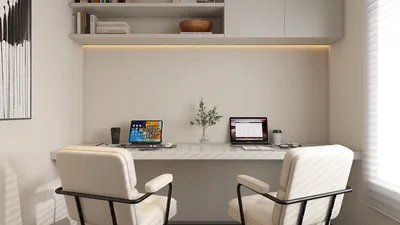


In a memorable project, I persuaded a client to repurpose a rusty pipe instead of discarding it; this pipe transformed into the headboard of a bed, lending the room a charming loft-inspired ambiance. That salvaged pipe still makes me smile and highlighted how even compact spaces can ignite monumental ideas. My design process often starts with visualizing the layout in 3D, preventing furniture arrangements that clash with entryways—trust me, navigating those unintentional blockages can be quite the giggle fest.
1. Raw materials and softened contours
I enjoy combining exposed brick, reclaimed wood, or concrete with softer textiles, such as linen bedding, plush area rugs, and rounded bedside lamps. This combination strikes a balance between industrial appeal and warmth. However, true brick or concrete can be costly or troublesome to install; as a cost-effective solution, I frequently utilize veneers or textured paint to replicate that look.
save pin
2. Sleek metal frames
Metal bed frames and open shelving provide necessary structure without overwhelming a small industrial-style bedroom. These pieces are both durable and fashionable, though their cold nature can feel harsh. Thus, I like to incorporate warm touches, such as wooden slats or leather accents, to create a welcoming atmosphere.
save pin
3. Dark hues with contrasting highlights
Implementing a matte charcoal or deep navy on one wall evokes a trendy loft vibe while making other design elements stand out; adding a singular mustard armchair or copper lamp can serve as a vibrant highlight. While dark paint offers a cozy feel, it can also constrict small spaces, so it’s wise to maintain one lighter wall or utilize reflective accents to open up the area.
Efficient experimentation in layouts is crucial—I often draft several designs to assess circulation and storage prior to finalizing the arrangement.
save pin
4. Clever storage paired with personal flair
Incorporating under-bed drawers, built-in closets, and wall-mounted shelves helps keep clutter hidden while allowing bold statement pieces to shine. Custom storage may require an investment, but modular options often strike an excellent balance between affordability and personalization.
save pin
5. Illuminative layering and industrial designs
Opt for a blend of lighting types: task lamps for reading, wall sconces above the bed, and a standout pendant fixture as the room's centerpiece. While industrial lighting looks fantastic, it may emit harsh light—using dimmers and warm bulbs can create an inviting glow, steering clear of a clinical ambiance.
For those looking to advance their design ideas, numerous designers now leverage AI-driven platforms like Homestyler to expedite brainstorming and explore unconventional combinations. I've used this technology for generating variations when clients have tight deadlines.
save pin
FAQ
1. What characterizes an industrial bedroom?
Key features include exposed materials, contrasts of metal and wood, and a streamlined, functional layout. The aesthetic embraces honest finishes that convey a sense of purpose rather than fussiness.
2. Is the industrial aesthetic suitable for small bedrooms?
Definitely! Clean lines and slender furniture designs minimize visual clutter, making compact spaces feel more expansive. It’s essential to balance darker textures with lighter linens and reflective surfaces to maintain an airy feel.
3. How can I bring warmth to an industrial bedroom?
Incorporating textiles such as rugs and throws, selecting warm wood finishes, and using soft LED bulbs all contribute to warmth. Additionally, integrating plants and gentle artwork can soften the overall industrial edge.
4. Which color palettes are most effective?
Options like charcoal, navy, olive, and off-whites are timeless; use ochre, rust, or copper as accent colors. While darker walls impart a dramatic mood, they should be complemented by lighter elements to avoid a cramped sensation.
5. Is it possible to DIY industrial decor?
Certainly! Techniques like distressed paint applications, creating headboards from reclaimed pallets, and simple pipe shelving are very approachable for DIY enthusiasts. I suggest testing different finishes on sample boards beforehand.
6. Are industrial lighting fixtures energy efficient?
Many can be! Utilizing LED bulbs in contemporary fixtures helps reduce energy consumption. The U.S. Department of Energy indicates that LEDs use at least 75% less energy and have a longer lifespan compared to incandescent bulbs (https://www.energy.gov).
7. How can I effectively plan furniture for smooth flow?
Begin by measuring circulation paths, ensuring at least 60 to 90 cm (24 to 36 inches) of clear space around the bed and pathways. I routinely sketch various arrangements to identify the most seamless flow.
8. Where should I invest versus cut costs?
Prioritize a comfortable mattress and daily-use built-in storage; save on decorative pieces and secondary lighting by exploring vintage markets or upcycling. Practical investments yield significant returns in comfort and durability.
Homestyler is your go-to online platform for effortless home design. With its user-friendly design tool, stunning 3D renderings, and a wealth of DIY video tutorials, you can easily create and visualize your dream space, no matter your experience level. Start designing today!
Desain sekarang Gratis
































