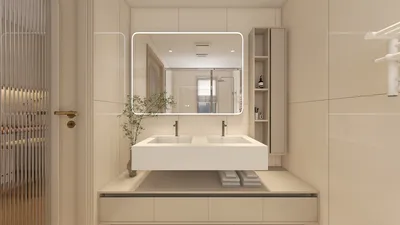


In my early design career, I once encouraged a client to incorporate dark wood in a small ensuite, only to realize the contractor was referring to solid oak directly next to the shower — a rookie oversight. This experience taught me that selecting the right materials and layout at the outset can save you from unnecessary stress, expenses, and damage to your professional reputation. To prevent such blunders in the future, I now maintain a useful room planning reference of previous layouts.
Small bathrooms serve as ideal canvases for innovative design ideas — necessitating selectivity, bold choices, and clever solutions. Here are five ideas for incorporating dark wood flooring in bathrooms, drawn from my real-life projects, complete with honest advantages, trade-offs, and suggestions for effectively utilizing wood in wet environments, including the use of tools like Homestyler.
1. Choose warm undertones and a matte finish
I prefer warm, chocolate-toned woods in bathrooms as they exude a sense of coziness without feeling overwhelming. Opting for matte or low-sheen finishes not only conceals water spots but also offers better slip resistance than glossy wood. However, a high-quality moisture sealant is essential.
Why do I advocate for this? The warmth of the wood harmonizes beautifully with white tiles and brass fixtures. A challenge to note: in high-traffic wet areas, you’ll need to reapply the sealer annually, which is a minor maintenance exchange for the striking aesthetic.
save pin
2. Shield wet zones with tile borders or niches
In many of my smaller projects, I have kept wood flooring away from direct shower areas, opting for a waterproof tile border or mosaic shower curb instead. This straightforward separation minimizes long-term moisture concerns while still maintaining a visual flow across the floor.
The benefit? You achieve an authentic wood ambiance without fully committing the shower to wood. The downside? Precision in the trim detail is crucial — I always create a mock-up first to avoid any awkward seams.
save pin
3. Implement patterned installations to create a more spacious feel
Using herringbone or chevron patterns with narrow planks can give the illusion of length in a compact bathroom. For instance, a dark walnut herringbone in a 5-foot powder room led the eye towards the vanity area, creating a sense of extended space. For layout guidance and spacing, I frequently reference other designs, like my kitchen layout inspirations, as these proportional techniques can translate across different rooms when using Homestyler.
Pros: dramatic and luxurious appearance; Cons: cutting and installation may incur higher costs, so budget accordingly or keep the pattern limited to a focal strip.
save pin
4. Counterbalance the depth with lighter walls and reflective accents
When you have dark floors, it's important to provide contrast. I pair them with soft, warm whites on the walls and incorporate glossy mirrors or polished chrome fixtures to reflect light. In a particular renovation, replacing a framed mirror with a backlit panel made the floor feel purposeful instead of overwhelming.
Tip: Floating vanities can enhance the visual sense of space, as they allow more of the floor to be seen, thus diminishing the feeling of heaviness.
save pin
5. Evaluate engineered wood or wood-look porcelain options
Engineered wood featuring a waterproof core is my top choice when clients desire the appeal of real wood but require durability; alternatively, wood-look porcelain is unbeatable for completely moisture-prone areas. Both options provide the dark wood effect — whether through genuine grain or highly realistic tile — catering to different budget and maintenance preferences. I maintain a collection of bathroom material samples and design examples to visually compare how each style appears in both natural and artificial lighting.
Benefit: long-lasting performance and reduced humidity-related stress. Trade-off: while porcelain lacks the tactile warmth of real wood, engineered wood can be pricier than tile yet offers a natural feel underfoot.
save pin
FAQ
Q1: Is it safe to have dark wood floors in a bathroom?
I suggest using engineered wood with a waterproof finish or opting for wood-look tiles in high-moisture areas. Effective installation and sealing are crucial to prevent swelling and mold.
Q2: How can I avoid slipping on dark wood bathroom floors?
Employ matte finishes, opt for textured or smaller plank sizes, and place machine-washable non-slip rugs in wet areas. Regular cleaning is essential to eliminate soap residue that can cause slipperiness.
Q3: What is the ideal maintenance routine?
Promptly wipe up spills, utilize a damp (not soaking) mop with approved cleaners, and reapply sealant on edges or wear-prone areas each year for engineered wood in humid climates.
Q4: Can I mix dark wood floors with patterned tiles?
Absolutely — a tile border or inlay establishes a deliberate transition while safeguarding showers. I sometimes recommend a small mosaic threshold to maintain a cohesive visual.
Q5: Are dark floors a bad idea for small bathrooms?
Not necessarily — with appropriate contrast, lighting, and reflective surfaces, dark floors can actually make a compact bathroom feel warmer and more elegant.
Q6: Which material is best for long-term performance?
For a balance of durability and authenticity, high-quality engineered wood with a waterproof core is a solid selection; for minimal maintenance, porcelain wood-look tile is superior.
Q7: Is there any authoritative guidance on wood in damp areas?
The National Wood Flooring Association provides standards and guidelines for installation; refer to their resources at https://www.nwfa.org for expert advice on moisture control and finishes.
Q8: How do I select the ideal dark tone?
Examine samples in the bathroom at various times during the day — I usually evaluate three shades: warm, neutral, and cool. The lighting can dramatically impact perception, and creating a small test patch will help avert a significant redesign later on.
Homestyler is an outstanding online home design platform that empowers you to unleash your creativity. With its user-friendly design tool, stunning 3D renderings, and a wealth of DIY video tutorials and design projects, bringing your dream home to life has never been easier!
Design Now for FREE
































