

In my experience designing numerous sacred corners and full-sized prayer spaces, one key piece of feedback resonates with families: the influence of lighting profoundly shapes the devotion experience. When executed well, light provides tranquility, respects the sacred symbols or idols, and facilitates rituals without distraction or discomfort for the eyes. Utilizing tools such as Homestyler can greatly assist in visualizing these spaces effectively.
My approach is informed by two main guiding factors. Firstly, according to WELL v2 guidelines, task areas require lighting levels between 300–500 lux for comfort, while restorative spaces may only need 50–100 lux to encourage a sense of calmness. A pooja room often necessitates both lighting modes, depending on the specific rituals being performed. Secondly, the IES suggests that residential ambient lighting should typically range between 100–300 lux for common rooms, with additional task lighting layered as necessary. These figures provide crucial insights for achieving a balance between soft glow and the ability to read scriptures clearly.
The significance of color in conjunction with brightness cannot be overstated. According to research by Verywell Mind on color psychology, warm color temperatures (around 2700–3000K) foster a sense of coziness and comfort, while cooler whites (4000–5000K) contribute to a feeling of cleanliness and alertness. In designing a pooja room, I prefer starting with warm-white lighting to promote serenity, adding a sharper neutral-white accent in the deity niche when needed.
Key Principles: Prioritize Calm, Provide Clarity When Required
The pooja room fulfills two key purposes: reflection and performing rituals. I recommend establishing a basic ambient light level around 100–200 lux using warm-white lamps (2700–3000K). For activities like reading, arranging offerings, or maintaining cleanliness in the mandir, incorporating task lighting to achieve 300–500 lux is essential. It's crucial to use flicker-free drivers, as low-frequency flicker can lead to discomfort and distraction during extended periods of prayer.
Optimal Bulb Choices for Pooja Rooms
For a glow that encompasses the entire space, choose bulbs that emit light at 2700–3000K with a high Color Rendering Index (CRI ≥90) to ensure that flowers, fabrics, and idols appear true to color. Aim for a light output of approximately 800–1100 lumens in small rooms; adjust based on size and wall finishes since matte surfaces tend to absorb more light than glossy finishes.
These bulbs replicate diya silhouettes while remaining cool and safe to the touch. Again, I recommend 2700K with a high CRI. If your shrine incorporates carved wood or metallic elements, ensure the bulb design does not produce harsh reflections; frosted lenses can effectively diffuse this light.
To accentuate idols or backgrounds, using a dimmable strip light with a color temperature of 3000–3500K and CRI ≥90 can highlight gold leaf, marble, and textiles authentically. Aim for 300–500 lux at the shelf level, employing diffusers to minimize dotting and glare on reflective surfaces.
Subtle micro-spots between 3000–3500K can add depth without overpowering the overall ambiance. Keep the beam angles wide (ranging from 24–36°) to create a soft highlight effect, positioning them slightly off-axis to avoid direct glare for seated individuals.
Color Temperature Approach
- Establish a warm base atmosphere with lighting set between 2700–3000K.
- Implement 3000–3500K for accent clarity, ensuring a neutral balance that still fosters a devotional atmosphere.
- Avoid excessively cool light temperatures, such as 5000–6500K, unless the area doubles as an intensive reading space; these can feel overly clinical and disrupt the sanctity of the surroundings.
Desired Brightness and Lux Levels
- Set ambient devotional levels at 100–200 lux at seating height for comfort.
- For reading and ritual activities, increase lighting to 300–500 lux at the workspace (altar or tabletop).
- For moments requiring a candle-like glow, dim lighting to a range of 50–100 lux, achieved through dimming practices instead of bulb replacement.
Managing Glare and Ensuring Eye Comfort
Glare disrupts focus. To mitigate this, opt for frosted bulbs, diffusers, or directional shades that shield bulb images. Position lighting fixtures strategically to avoid them being in direct line of sight from the prayer area. Utilizing matte finishes on the walls or incorporating textured backs can help manage any glare bouncing off shiny stone or metal. If there are metallic or glass elements, test their angles during nighttime to prevent harsh hot spots.
Understanding CRI, R9, and Material Authenticity
Beyond ensuring a CRI ≥90, evaluate R9 values, which relate to the richness of reds. A high R9 rating preserves the vibrancy of materials like kumkum, sindoor, and red flowers. It also enhances the beauty of marble veins and wood grains, ensuring the aesthetic integrity of the room remains intact.
Considerations for Safety, Heat Management, and Ritual Compatibility
Avoid using halogen or incandescent bulbs near delicate fabrics or garlands due to their heat output. Opt for LED lighting solutions that remain cool and minimize fire hazards during busy festival seasons. If traditional oil diyas are included, keep electrical elements away from heat and soot paths while choosing enclosed diffusers that are easy to clean.
Dimming Options and Scene Management
Incorporating dimmable LEDs allows for smooth transitions from bright morning arati to the quiet ambiance of evening japa. Combine warm-white lamps with compatible dimmers to avoid the nuisance of flicker. For multifunctional rooms, employing two circuits—one for ambient lighting and another for accent—affords precise control without complexity.
Layout Considerations: Positioning for Enhanced Devotion
Place ambient lighting slightly above or in front of the seating area to ensure even illumination. Accent lighting should graze the backdrop and shine upon idols at a 30–45° angle, avoiding direct beams into the line of sight. For smaller living spaces, utilize tools like Homestyler to visualize light angles and shadows to avoid glare issues before making your purchase.
Encouraging Quiet Acoustics and Reflectance
The quality of lighting can significantly affect our perception of tranquility. Opt for softer reflectance materials (think matte paints and natural fabrics) to maintain visual calmness. Pair these choices with gentle acoustic elements—like rugs, padded benches, or fabric panels—to uphold a reverent atmosphere during chants.
Eco-Friendly Choices
Long-lasting LEDs not only reduce waste but also lessen the frequency of maintenance. When feasible, select fixtures with replaceable drivers, and prefer bulbs packaged in recyclable materials. It's worth noting that warm-white lighting doesn't have to be energy-intensive; high-efficiency options in the 8–10W range can match the brightness of traditional 60W incandescent bulbs.
Credible References
For guidance on adequate light levels and comfort, I adhere to the WELL v2 standard for visual lighting and IES residential guidance. For insightful data on color and mood perception, refer to the synthesis presented by Verywell Mind.
Shopping Checklist
- Choose color temperatures between 2700–3000K for the base, and 3000–3500K for accent lighting.
- Ensure a CRI ≥90 and robust R9 values for vibrant reds.
- Look for compatibility with dimmable, flicker-free drivers.
- Select frosted lenses or diffusers to manage glare effectively.
- Verify that lumens are appropriate for the room size (starting from 800–1100 per bulb).
- Assess safe thermal behavior and select fixtures that are easy to clean.
FAQ
Warm-white lighting in the range of 2700–3000K forms a calm foundation. Use 3000–3500K for clarity on the mandir while avoiding a sterile appearance.
Aim for 300–500 lux at the altar or working area for script reading and offering arrangement, with ambient light set around 100–200 lux.
Indeed. A CRI of ≥90 coupled with robust R9 values preserves the bright reds in kumkum and flowers, ensuring that materials retain their authenticlook.
You can incorporate LED candle bulbs for safety and consistency in illumination. Numerous families opt to use traditional oil diyas during rituals while relying on LEDs for overall lighting.
Dimming is crucial for adjusting the light from bright arati to serene meditation phases. Select bulbs and dimmers engineered to synchronize seamlessly to eliminate flicker.
To mitigate glare, utilize frosted lamps, diffusers, and angle the accent lights (30–45°) away from direct view. Matte surfaces or textured backgrounds effectively decrease reflective glare.
This is the case if the room serves as a strong task area and you prefer a fresh feeling. Otherwise, cooler whites (5000–6500K) may come off as overly clinical for settings meant for devotion.
Begin with one warm-white bulb rated at 800–1100 lumens for the ambient light, then supplement with accent or task fixtures as necessary to achieve 300–500 lux at the altar.
Absolutely, LEDs remain cool to the touch, thus reducing risks associated with heat. It's important to maintain adequate spacing from flames and regularly clean fixtures to rid them of soot if employing traditional oil diyas.
For optimal effects, utilize two small accent lights from varying angles using wide beams (24–36°) and dimming features to soften shadows.
Tips 1:
Evaluate your lighting during dawn and dusk; the experience of devotional spaces can transform with the change in natural light. Modify dimming settings accordingly for these moments.
Tips 2:
Select warm-dim LEDs that adjust toward 2200–2700K at lower brightness levels to mimic the ambiance of candlelight during meditation.
Tips 3:
Plan your beam angles and fixture heights in advance; using a simple interior layout tool like Homestyler can help visualize glare and shadow placements before making a purchase decision.
Originally incubated at Autodesk, Homestyler has grown into one of the most widely adopted home design platforms in the world, now trusted by over 18 million users. Whether you're a homeowner exploring ideas or a professional designer delivering client-ready renders, Homestyler brings industry-leading 3D technology to your fingertips — no experience required.
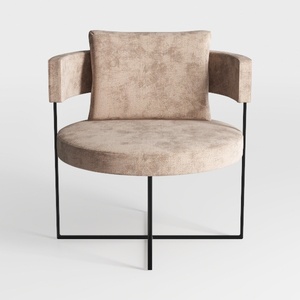

TIANSHU Sling Accent Chair, Upholstered Metal Fram

Minimalist Rattan Three Head Pendant Light 3D Model
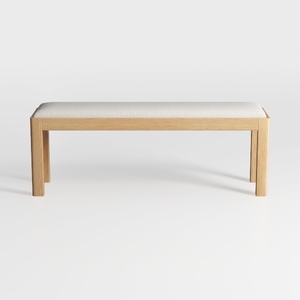
Minimalist Oak Fabric Upholstered Dining Bench 3D Model
Homestyler is your go-to online home design platform! With its user-friendly design tool, stunning 3D renderings, inspiring design projects, and helpful video tutorials, you can effortlessly create and visualize your dream space, no matter your experience level. Transform your home today!
Progetta ora GRATIS
































