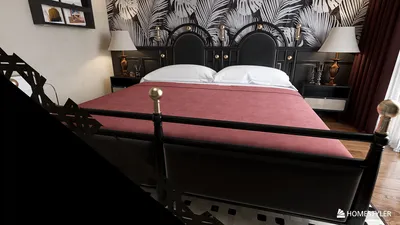


In my design journey, I once transformed a petite studio with a striking tomato red hue at a client’s request for a memorable look. It certainly made an impression, but it taught me a valuable lesson: the impact of red paint varies dramatically with its scale and placement. To explore different light effects and moods, I quickly created 3D mockups using Homestyler before picking up a paint roller, ensuring I made informed choices.
1. Create a focal accent wall in a small living space
Choose a single wall behind your sofa or bed and apply a deep, muted red shade—like oxblood or terracotta. This will add depth without overwhelming the space. The benefit lies in achieving drama without full commitment, though it can be challenging to coordinate textiles and lighting to ensure the red feels warm instead of harsh.
save pin
2. Opt for red trim instead of entire walls
Using a rich red on window frames, baseboards, or doors imparts character while keeping the majority of your surfaces neutral. This approach is budget-friendly and allows for easy updates later; however, achieving clean edges requires patience and quality tape.
save pin
3. Implement a two-tone design with a grounded lower section
Apply red on the lower third of the walls, complemented by a lighter neutral above. This technique can visually lower awkward ceilings; I found it particularly effective in a cramped hallway, making it feel more inviting rather than closed in. An even horizontal line will enhance the effect, so careful measurements are key. For precise proportions, I often utilize a scaled floor sketch in Homestyler to help visualize sight lines.
save pin
4. Use red as a backdrop for artwork or shelving
A small alcove or niche painted red can serve as a stunning backdrop for art or shelving, transforming practical storage into a curated display. This small-scale yet impactful change is easy to reverse, though pay attention to potential glare from strong directional lighting.
save pin
5. Integrate a kitchen accent wall or colorful cabinet backs
In the kitchen, a splash of red on a short wall, or the backs of cabinets, can introduce lively energy conducive to appetite. It complements matte black fixtures and warm wood beautifully; when planning a functional cooking area, I frequently draft an efficient layout using Homestyler to ensure harmony between color zones and workflow. Keep in mind, high-quality red paint goes a long way, so invest confidently in quality pigments and primers.
save pin
FAQ
Q1: Is red paint appropriate for small spaces?
A1: Absolutely—when strategically applied as an accent or along a lower section, it can bring warmth and depth without constricting the space. The secret lies in balancing it with neutrals and ensuring adequate lighting.
Q2: What red shades work best for interiors?
A2: Earthy, muted reds such as terracotta, rust, and oxblood are more forgiving indoors compared to vivid cherry or fire-engine red. They reflect light warmly and pair well with natural wood tones.
Q3: Does red make a room appear smaller?
A3: While complete walls in bright red can feel enclosing, using red sparingly—such as an accent wall, trim, or alcove—often enhances the sense of intimacy without making the space feel smaller.
Q4: What lighting works best with red walls?
A4: Warm white LEDs (2700–3000K) enrich the warmth of red. The effect of natural light can vary depending on the room's orientation, so it's best to test paint samples at different times of day for accurate assessment.
Q5: How should I coordinate furniture with red walls?
A5: Combining neutral upholstery, warm woods, and matte black or brass accents establishes a cohesive look. If you appreciate patterns, introduce these through cushions or rugs instead of larger furniture pieces.
Q6: Are there health concerns with red paints, particularly VOCs?
A6: Yes, it’s important to choose low-VOC or zero-VOC paints to mitigate indoor air quality issues, especially in compact homes. The U.S. Environmental Protection Agency (EPA) advises that opting for low-VOC products helps enhance indoor air quality while reducing exposure to volatile organic compounds (link: https://www.epa.gov/indoor-air-quality-iaq/what-are-volatile-organic-compounds-vocs).
Q7: How easy is it to repaint over red walls?
A7: Repainting is simple, provided you use primer correctly; dark reds may call for an additional layer of primer or two coats of lighter paint to achieve complete coverage, so account for this in your renovation budget.
Q8: Any quick tips for testing red paint?
A8: Always create large sample swatches and observe them under morning, midday, and evening lighting. Smaller chips can appear different once they surround a corner or are placed near wood or metal finishes, making larger tests more reliable.
Homestyler is your go-to online home design platform! With its user-friendly design tool, stunning 3D renderings, and inspiring DIY video tutorials, you can effortlessly create and visualize your dream spaces. Explore endless design projects and transform your home today!
立即免费设计
































